
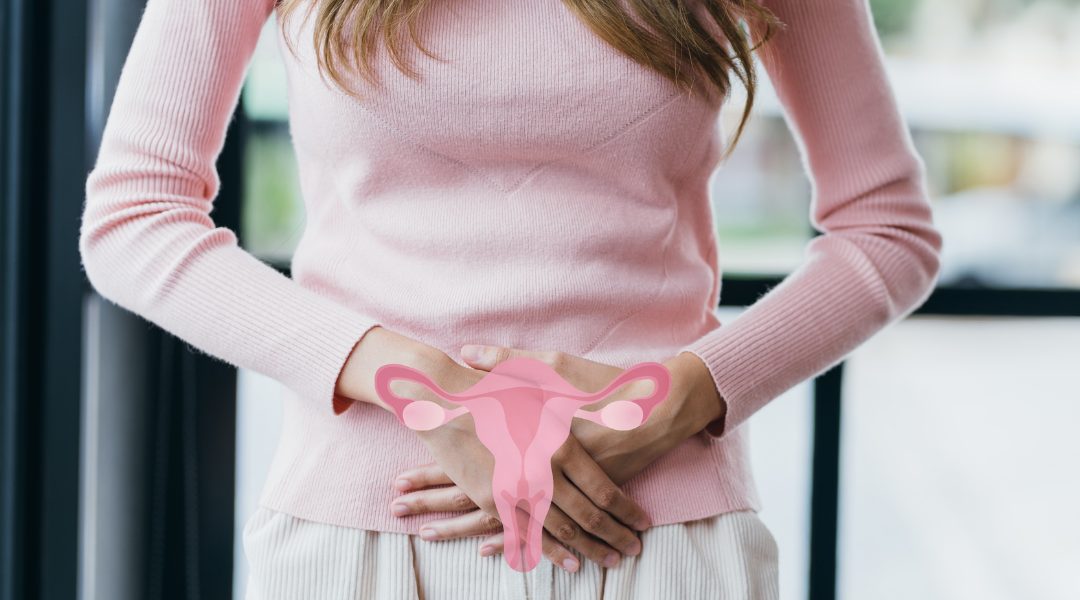
Polycystic ovary syndrome (PCOS) affects the hormonal balance of women during their reproductive years, often leading to a wide range of noticeable changes. While many associate the condition primarily with reproductive health, its influence extends far beyond fertility. The syndrome creates a complex interplay between hormonal regulation and metabolic function, which may impact everything from skin health to energy levels. For those navigating a diagnosis, recognizing the breadth of these impacts serves as the first step toward effective management.
What Is PCOS?
PCOS stands as a common endocrine disorder among women of reproductive age. It typically involves an imbalance of reproductive hormones, creating problems in the ovaries. The ovaries produce the egg that is released each month as part of a healthy menstrual cycle. With PCOS, the egg may not develop as it should, or it might not be released during ovulation as it normally would.
This condition frequently causes missed or irregular menstrual periods. While the exact cause remains unknown, medical professionals link it to excess androgen production. High levels of androgens prevent the ovaries from releasing an egg during each menstrual cycle, causing many of the symptoms associated with the syndrome.
What Are the Symptoms?
Symptoms of PCOS vary significantly between individuals and can change over time. One of the most common signs involves irregular periods. A woman might have fewer than nine periods a year, or the time between periods might be abnormally long. Excess androgen levels result in physical signs. This includes excess facial and body hair, which can appear on the back, belly, and chest. Some women experience thinning hair on the scalp. Severe acne is another manifestation of these hormonal surges.
Weight gain presents a persistent challenge for many with PCOS. This weight gain often concentrates around the abdomen, which may be linked to insulin resistance. Other symptoms include darkening of the skin, particularly around the neck or the groin, as well as skin tags.
How Is It Treated?
Treatment focuses on managing individual concerns, such as infertility, acne, or obesity. Specific treatment plans also depend largely on whether a woman plans to become pregnant. Lifestyle changes serve as a primary approach for managing PCOS. A low-calorie diet combined with moderate exercise activities helps with weight loss. Even a modest reduction in weight might improve the condition significantly. Weight loss can restore the effectiveness of medications and help with infertility.
Medical professionals prescribe combination birth control pills containing estrogen and progestin to regulate the menstrual cycle. These pills can decrease androgen production and give the body a break from the effects of continuous estrogen. Metformin, a medication for type 2 diabetes, can improve insulin resistance and lower insulin levels.
Confer With a Gynecologist
Navigating the complexities of PCOS requires professional guidance. Regular check-ups allow doctors to monitor for potential complications such as high blood pressure and sleep apnea, which occur more frequently in women with this syndrome. A gynecologist can provide tailored advice on fertility options if pregnancy is a goal, or discuss long-term strategies for symptom management if it is not. Early diagnosis and consistent medical oversight empower women to mitigate long-term health risks associated with the disorder, providing an opportunity to create a personalized roadmap for health and stability.
