
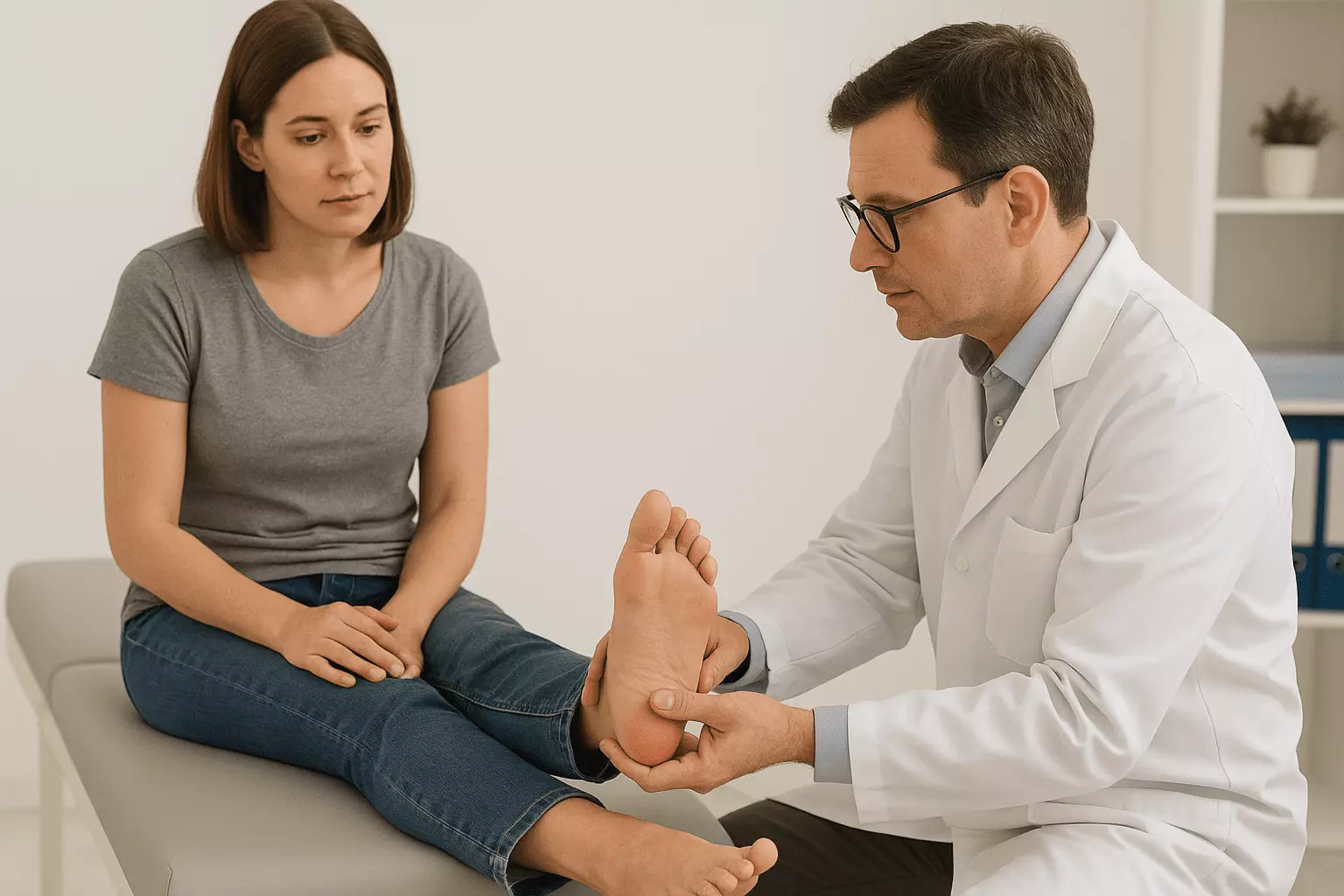
Plantar warts are small, non-cancerous growths, and they can appear on the soles of your feet. Caused by the human papillomavirus (HPV), this virus enters your body through tiny cuts or breaks in your skin. These warts grow on the heels or other weight-bearing areas of your feet, and they can sometimes be uncomfortable. Here is more information on the link between plantar warts and footwear choices:
Moisture Level
Damp socks and shoes create an ideal surface for HPV to thrive. The virus prefers warm, moist places. Wearing shoes that do not allow your feet to breathe properly will increase sweat accumulation, which keeps the skin damp for long periods. You can reduce this moisture by selecting footwear made from breathable materials like canvas or leather.
Shoe Fit
Shoes that are too tight or too loose contribute to skin issues. A poor shoe fit may lead to blisters or sores, and these breaks in the skin provide an entry point for the HPV virus. When shoes fit correctly, they support your feet without causing excessive pressure or movement. Your toes need room to move, but your heel should not slip.
Washing your feet daily with soap and water removes sweat, dirt, and bacteria. After washing, it’s helpful to dry your feet thoroughly, especially between the toes, as moisture can encourage fungal growth. Practicing good hygiene can make a significant difference; it’s a small effort that contributes to long-term foot health.
The type of socks you wear plays a significant role in foot health, and this is evident when it comes to preventing skin conditions. Socks that are too tight can restrict circulation, while those that are too loose may increase friction, leading to blisters. By selecting well-fitted socks and changing them regularly, you keep your feet comfortable and may lessen the chances of developing issues.
Skin Friction
Constant rubbing between your skin and your shoe creates friction. This friction may weaken the outer layer of skin, making it more susceptible to plantar warts. Some shoe materials are more abrasive than others, so you might notice more irritation with certain pairs. If you experience redness or tenderness after wearing a specific shoe, it could be a sign of excessive friction.
Areas of high friction include:
- The back of the heel
- The tops of the toes
- The sides of the foot
This consistent rubbing leads to calluses or raw spots, and these compromised areas of skin may be less able to defend against viruses like HPV. By protecting your skin from constant friction, you can maintain foot health.
Shoe Barrier
Your shoes act as a physical barrier between your feet and the ground. This barrier protects you from direct contact with surfaces where the HPV virus might be present, such as public showers or locker room floors. Walking barefoot in these areas increases your exposure risk, as the virus can be contracted from contaminated surfaces.
Footwear provides a protective layer. Wearing shoes in communal, wet environments typically reduces your direct contact, and this includes potentially contaminated floors. While no shoe offers complete protection, it serves as a helpful shield.
Get Treated for Plantar Warts
Plantar warts can be persistent and may cause discomfort. While some warts resolve on their own, many require professional treatment to be removed effectively. A podiatrist can diagnose your condition and recommend a suitable treatment plan based on the wart’s size and location. If you have a growth on your foot that concerns you, schedule an appointment with a podiatrist for a proper evaluation and treatment.
- How To Enhance Your Quality of Life With Low Testosterone Treatment
- The Role of Pediatric Neurology in Monitoring Childhood Development
- Finding the Right Pain Doctor for Your Specific Needs
- Tips for Maintaining Physical Wellness During Prenatal Care
- Identifying Triggers and Finding Relief for Allergies
