
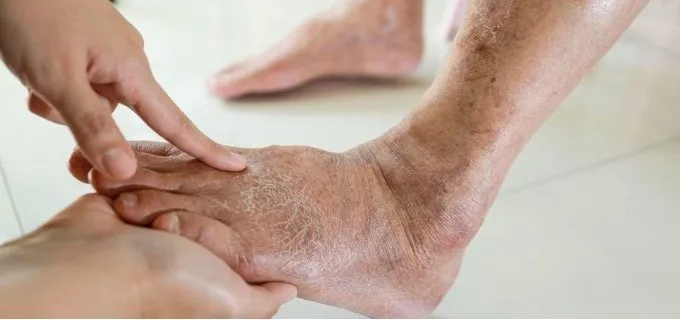
Your legs contain a network of blood vessels that transport oxygen-rich blood throughout your lower body. When this system operates properly, you likely walk, run, and stand without giving it a second thought, but interruptions in blood flow may cause discomfort. Noticing the early signs of leg pain related to circulation helps maintain your vascular health. Occasional aches are normal; persistent symptoms often indicate an underlying issue.
Cramping During Walking
A common indicator of circulatory problems is claudication, a type of cramping. This discomfort occurs during exercise and fades quickly when you rest. Moving muscles demand more blood than narrowed arteries can supply. This supply-and-demand mismatch creates tightness or pain that limits how far you can walk. Pay attention to repeated patterns: leg pain appearing at the same distance suggests a vascular cause rather than simple fatigue.
Coldness in Legs
Maintaining consistent temperature in your extremities depends on steady blood flow. When circulation is compromised, you may experience the following signs:
- Unilateral Coldness: If one foot or leg feels noticeably colder than the other, it often indicates a specific blockage or narrowing in the arteries supplying that limb.
- Persistent Chills: You might find yourself needing extra layers or socks even in warm environments because decreased circulation prevents warm blood from reaching surface tissues.
- Noticeable Temperature Shifts: Family members may observe a distinct temperature difference when touching your skin compared to other parts of your body.
While cold feet can stem from various conditions, persistent coldness, especially when limited to one side, benefits from a professional evaluation by a specialist.
Slow-Healing Sores
A sign of poor circulation involves wounds that refuse to heal within a normal timeframe. Minor cuts, scrapes, or blisters on your feet and toes require a steady supply of oxygen and nutrients to repair the damaged tissue. When arterial disease restricts this blood flow, even small injuries can remain open for weeks or months, possibly resulting in to ulcers. These non-healing wounds are susceptible to infection, which makes treatment more difficult and threatens the limb’s health.
Numbness or Tingling
Experiencing numbness or tingling in the legs and feet, often described as a “pins and needles” sensation, can be a distressing indicator of underlying vascular issues. When blood flow is compromised, the nerves in your extremities do not receive the oxygen required to function correctly, which can lead to several specific symptoms and complications:
- Nerve involvement: Pins and needles or numbness can indicate nerve trouble, but circulation issues are often the root cause.
- Restricted blood flow: Poor circulation deprives nerves of oxygen, impairing their function.
- Loss of sensation: Reduced blood flow can make it harder to feel injuries or changes in temperature.
- Persistent tingling: You may notice a “falling asleep” sensation even when at rest, without an obvious trigger.
- Solution: Improving blood circulation can often relieve these neurological symptoms over time.
Don’t Ignore Leg Pain
Your vascular health supports your mobility and quality of life. Symptoms such as cramping, coldness, or changes in skin color are warning signs that your circulatory system is under stress. Ignoring persistent leg pain can delay necessary treatment and lead to worsening conditions. If you recognize these signs, schedule an appointment with a vascular specialist to evaluate your circulation.
