
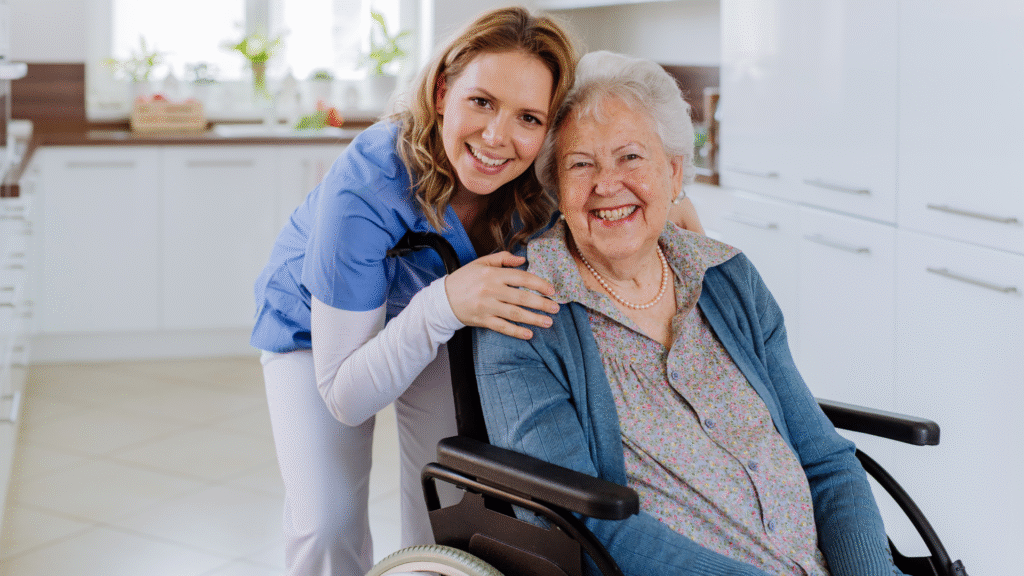
Geriatric care is a specialized field focused on the health and well-being of older adults, and it addresses the unique physical, cognitive, and social changes that happen with age. It aims to promote health and manage complex medical conditions, helping individuals maintain their independence and quality of life for as long as possible. Here are some key factors in geriatric care:
Communicating Effectively
Clear communication is fundamental when discussing health with older adults, who may have hearing or cognitive impairments. Speak clearly and directly, and make eye contact to help hold their attention. To avoid overwhelming them with too much information at once, it is helpful to present one idea at a time.
Managing Multiple Medications
Older adults typically take several prescriptions, and managing them requires careful organization. This situation, known as polypharmacy, may increase the risk of drug interactions and side effects. A detailed medication list is a useful tool for both patients and healthcare providers.
To prevent negative outcomes, it is helpful to track all drugs, including over-the-counter medicines and supplements. A systematic approach to medication management is beneficial. You may find that organizing pills by day and time in a pill dispenser simplifies the daily routine, and regular reviews with a doctor or pharmacist are also a good practice.
When you receive geriatric care, you can discuss any side effects and confirm that each medication remains necessary and effective. Maintaining an up-to-date medication list is equally helpful, as it provides accurate communication with all healthcare providers. This simple step can prevent serious medication errors and promote safer treatment outcomes.
Preserving Mobility
Maintaining mobility helps older adults stay independent and engaged in daily activities. Regular, gentle exercise supports muscle strength, and simple home modifications can make navigating living spaces safer. For some people, removing trip hazards like loose rugs reduces the risk of falls.
Encouraging movement is a key part of preserving physical function. Activities do not need to be strenuous to offer benefits, and some options include:
- Daily walks
- Light yoga
- Daily stretching
- Light gardening
These activities promote flexibility and balance while also providing mental stimulation.
Even with preventative measures, mobility challenges might still occur, requiring additional support. Physical therapy offers targeted exercises to improve strength and coordination after an injury or illness. Assistive devices like walkers or canes provide stability, giving individuals the ability to move around their homes and communities.
Providing Community
Social connections contribute positively to an older adult’s overall well-being. Isolation can lead to feelings of loneliness and depression, which may affect physical health. Facilitating opportunities for social interaction helps individuals feel connected to a larger community. This might involve transportation to social events or arranging regular visits from family and friends.
Technology also offers ways to stay in touch, even when mobility is limited. Video calls with loved ones can bridge distances, and online groups provide a space to connect with others who share similar interests. Local senior centers and community organizations may offer group activities designed for older adults. These programs create a supportive environment for building new friendships.
Find Geriatric Care Near You
Geriatric care focuses on a holistic approach to aging, from medication oversight to social engagement. It acknowledges the specific needs of older adults, aiming to support their health and independence through coordinated services. If you are exploring care options for yourself or a loved one, a medical team can help. Contact a primary care clinic today to learn more about services and find support in your area.
