
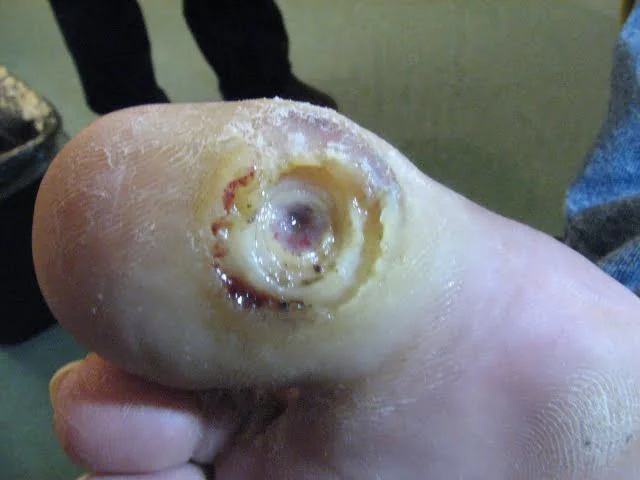
Effective wound care is necessary to promote healing, prevent infection, and reduce the risk of complications. Recent advancements in medical technology have introduced innovative products designed to improve treatment outcomes and support faster recovery. Understanding these modern wound care solutions helps healthcare providers and patients adopt evidence-based practices that improve healing efficiency and overall patient care.
Advanced Healing Dressings
Traditional gauze is no longer the only option for wound care. Modern dressings now play an active role in healing by managing moisture, fighting infection, and protecting delicate tissue during repair. Hydrocolloid dressings are a great example of this advancement. They create a moist environment with gel-forming agents, promoting faster skin repair. These dressings are also waterproof and flexible, allowing users to shower and move freely without disturbing the wound.
Silver-infused dressings are another significant innovation in wound care. Silver’s natural antimicrobial properties prevent bacterial growth, reducing the risk of infection. These dressings are ideal for chronic wounds or patients at higher risk of infections.
Bioactive Regenerative Wound Care Solutions
Bioactive products enhance wound management by using biological materials to stimulate the body’s natural healing processes. They are particularly useful for chronic wounds where normal repair has stalled, helping to restart healing when traditional methods fall short. Skin substitutes are a notable innovation in this field. These lab-engineered tissues mimic human skin, providing temporary coverage for severe wounds while releasing growth factors to encourage regeneration.
Collagen dressings are another necessary tool in regenerative therapy. Collagen, a natural protein in the body, gives skin its structure and strength. Applying external collagen to a wound promotes tissue growth and helps organize cells correctly. It acts as a scaffold for new tissue formation, supporting the body’s healing process in challenging cases.
Negative Pressure and Oxygen-Based Therapies
Sometimes wounds need extra help to heal properly. Negative Pressure Wound Therapy (NPWT), or wound vac therapy, uses a vacuum pump to create suction over the wound. This suction removes excess fluid and infection while pulling the wound edges together. It also boosts blood flow to the area, delivering oxygen and nutrients necessary for healing.
Hyperbaric Oxygen Therapy (HBOT) promotes healing in a different way. Damaged tissue often lacks a proper blood supply, which limits the oxygen needed for cell repair. In HBOT, patients breathe pure oxygen inside a pressurized chamber. This process increases oxygen levels in the blood, allowing it to reach the wound site. Oxygen helps kill bacteria and stimulates growth factors that aid tissue repair.
Digital and Remote Monitoring Innovations
Technology is transforming how doctors and patients manage the recovery process. Digital wound management tools help track progress and enable timely interventions. These tools are especially useful for patients with limited mobility or those far from a specialist. Smart sensors are now embedded in bandages to monitor wounds in real time.
Telehealth apps simplify sharing recovery updates with healthcare teams. Patients can securely upload high-resolution photos of their wounds for specialists to review. This allows doctors to detect issues early and adjust treatment plans remotely, reducing the need for frequent travel.
Book Your Appointment Today
Navigating these new products and therapies is easier with professional guidance. While knowing about these innovations is helpful, applying them correctly requires expert direction. Every wound is unique, and what works for one person might not be right for another.
If you have a wound that hasn’t shown signs of healing after a few weeks, it is time to seek expert help. Specialists are trained in the latest techniques to facilitate healing and prevent complications. They will evaluate your specific condition, including underlying vascular issues, and recommend the most effective technologies for your needs.
Don’t wait for any major health crisis to occur. Prioritize your health by consulting with a vascular and wound care specialist near you. They will offer the advanced support you deserve and enhance your healing process.
