
Laser-assisted in situ keratomileusis (LASIK) is a common refractive surgery for correcting nearsightedness, farsightedness, and astigmatism. The procedure reshapes the cornea so light enters the eye properly and focuses on the retina. Many patients find that LASIK reduces or eliminates their reliance on glasses or contact lenses. By addressing refractive errors directly, LASIK may simplify daily routines and provide useful benefits for recreation, travel, and long-term expenses.
Improving Participation
Sports and outdoor activities often become easier after LASIK. Patients can play without worrying about glasses or contact lenses. Swimming without corrective lenses is more comfortable, and vision remains clear. Camping or hiking trips are simpler because there is no need to pack eyewear or maintain contact lens supplies. Many report that hobbies feel more accessible, and active pursuits are less restrictive after surgery. These improvements may help people approach recreation with more ease and independence.
Streamlining Tasks
Routine tasks frequently become easier following LASIK. Patients often notice they can see clearly when they wake up. Getting dressed, cooking, and personal grooming no longer require glasses. Makeup and shaving are simpler because there is no barrier from eyewear. Travel is also less stressful, since packing contact lens cases or backup glasses is no longer needed. Commuting and running errands can feel less interrupted, and many discover they spend less time on vision management each day.
Reducing Expenses
LASIK can reduce long-term spending on corrective lenses and supplies. Ongoing purchases for new frames, contacts, and cleaning solutions often stop. The initial investment in LASIK is offset by the savings over several years. Eliminating the hassle of cleaning, handling, and replacing eyewear brings additional convenience. Most patients return home the same day, making the process efficient and easy to fit into regular life.
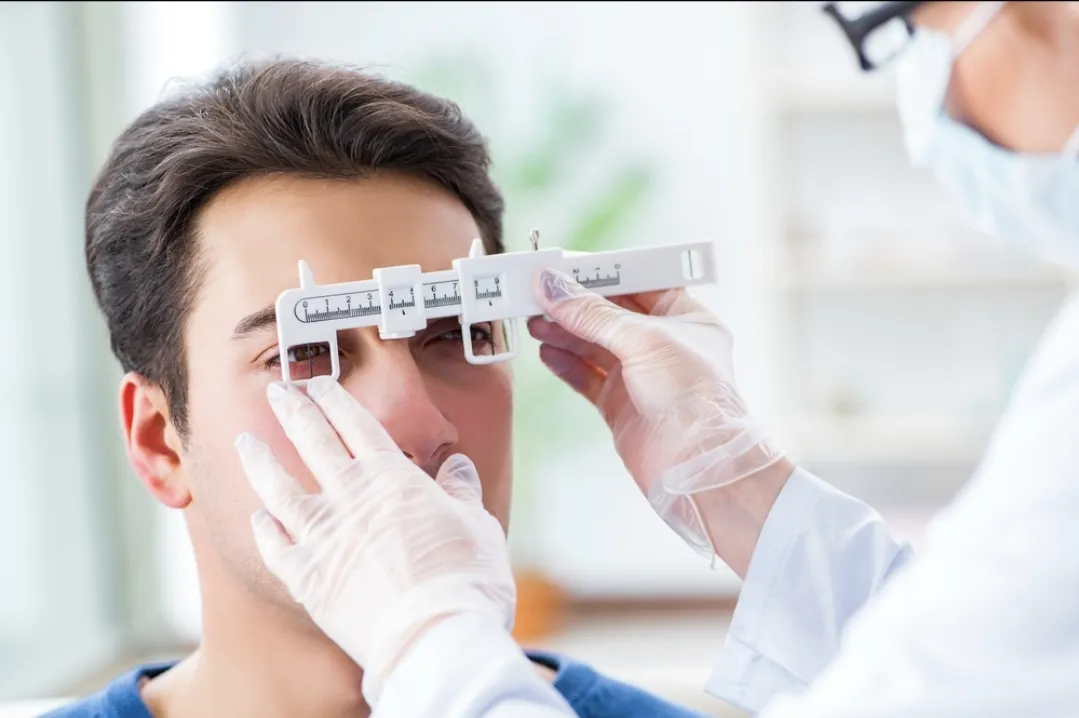
A consultation with an eye specialist is required before LASIK. The doctor evaluates cornea thickness, prescription stability, and general eye health. This evaluation clarifies if LASIK is a safe option and sets expectations for the outcome. Patients can discuss potential recovery, results, and any questions during this visit. These steps support a personalized approach and help promote good outcomes.
LASIK offers a reliable way to correct refractive errors and can lessen the use of glasses or contacts. The process often brings noticeable improvements in recreation, daily routines, and travel while offering significant savings over time. By changing how the cornea focuses light, LASIK may help many people move through their lives with greater ease and fewer vision-related concerns. Consultation with an eye care provider ensures each patient can make an informed decision about the benefits and limits of the procedure.
Get Lasik
LASIK may also improve confidence in social and work situations. When glasses or contact lenses are no longer needed, patients report feeling more at ease in conversations, meetings, and group activities. Sharper vision can support clearer communication, and the absence of eyewear removes common barriers in face-to-face interactions. These changes can contribute to a sense of freedom and may help people focus more on their daily interactions and responsibilities.
