
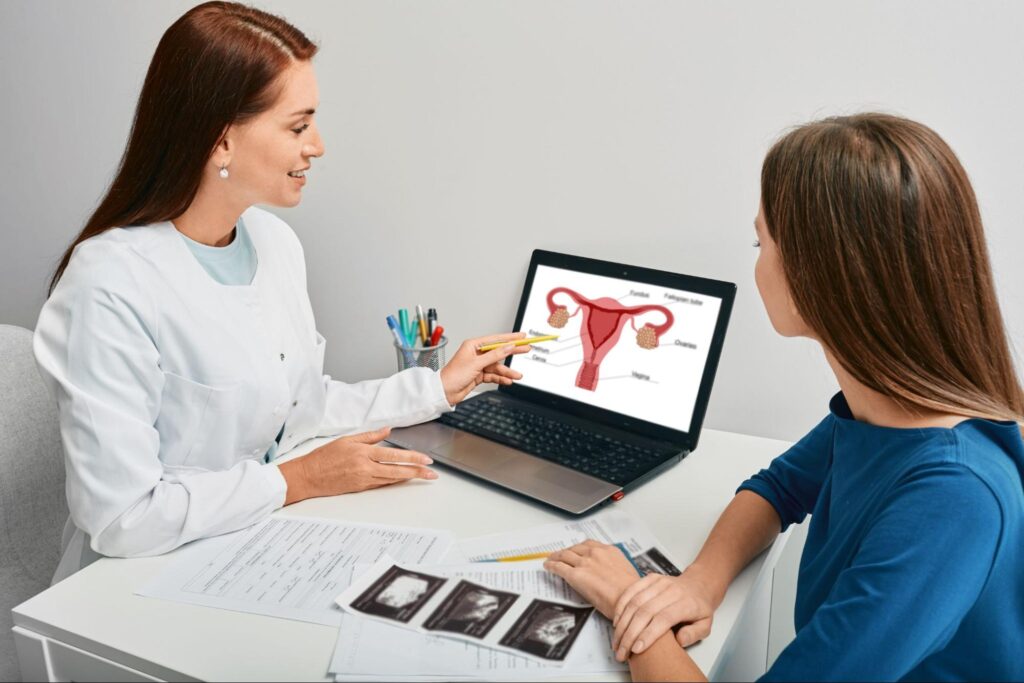
Polycystic ovary syndrome (PCOS) is a hormonal disorder common among women and those assigned female at birth of reproductive age. There is currently no cure for PCOS, but effective management strategies can help control symptoms and prevent complications. Those with PCOS may have infrequent or prolonged menstrual periods or excess hormone levels. The ovaries can develop numerous small fluid-filled structures (follicles) and fail to regularly release eggs. Early diagnosis and treatment, along with weight loss, may reduce the risk of long-term complications like diabetes and heart disease.
Lifestyle Changes
Making changes to your daily habits is often the first step doctors recommend for managing polycystic ovary syndrome. These adjustments can improve symptom severity and overall quality of life. PCOS affects a person’s ovaries, the reproductive organs that produce the hormones estrogen and progesterone, which regulate the menstrual cycle. The ovaries also produce a small amount of male hormones called androgens. The exact cause of PCOS is unknown, but it often involves hormonal imbalances and metabolism problems that may affect overall health and appearance.
How Is PCOS Diagnosed?
There is no single test to definitively diagnose PCOS, so doctors perform a physical exam, take a medical history, and order blood tests to measure hormone levels. They may also order a pelvic ultrasound to look for cysts on the ovaries. A diagnosis is usually made when you experience at least two of these three signs:
- Irregular Periods
- Excess Androgen Levels
- Polycystic Ovaries
Because these symptoms can mimic other health issues, a thorough evaluation by a specialist is necessary to rule out other causes. Other common symptoms include excess hair growth, acne, and obesity. Infertility is also a common effect, as ovulation may not occur regularly.
How Do Lifestyle Changes Help?
Lifestyle modifications are often the first treatment for PCOS, particularly for individuals who are overweight. Even a modest reduction in weight, often just 5 to 10 percent of total body weight, can improve insulin resistance and hormonal balance. A diet low in processed foods and added sugars helps stabilize blood sugar levels, while regular physical activity improves the body’s use of insulin. Exercise aids hormonal disorder management, as it helps lower blood sugar levels and may help regulate menstrual cycles.
Medications
While lifestyle changes are fundamental, medications are usually one part of comprehensive treatment plans to address specific symptoms. Your doctor might prescribe combination birth control pills, which are pills that contain estrogen and progestin, to regulate your menstrual cycle. These medications may also reduce your risk of endometrial cancer and help control acne and excess hair growth.
For people trying to conceive, medications like clomiphene or letrozole can be prescribed to stimulate ovulation. Metformin, a drug typically used for type 2 diabetes, is also frequently used to improve insulin resistance and lower insulin levels, which can help restart ovulation. Each medication targets different aspects of PCOS, so treatment is highly individualized.
Hormone Replacement Therapy
Hormone replacement therapy (HRT) or specific hormonal treatments may be recommended for managing certain symptoms of PCOS, particularly irregular bleeding. Progestin therapy involves taking progestin for 10 to 14 days every one to two months. This approach can regulate your periods and protect against endometrial cancer, but it doesn’t improve androgen levels or prevent pregnancy. The goal of hormonal treatments is to restore balance to the reproductive system and mitigate the long-term risks associated with irregular cycles.
Contact a Gynecology Specialist Today
Managing PCOS requires a tailored approach that addresses your specific symptoms and needs. A gynecology specialist can provide the necessary testing, diagnosis, and treatment plans to help you navigate this condition effectively. If you are experiencing irregular periods, contact a specialist today to discuss your options. A gynecologist or OBGYN can create a personalized plan to improve your condition.
