
Skin cancer occurs when mutations develop in the DNA of skin cells, and it can be caused by ultraviolet radiation from the sun or other factors such as tanning beds. When these cells grow out of control, they form a mass of cancer cells. Check your skin regularly for any unusual changes or new growths. Here are some of the early signs of skin cancer and what to look for:
Pink Patches
One significant warning sign involves flat, reddish, or pink patches of skin. These patches may appear on the chest, shoulders, arms, or legs, and they typically have a scaly or crusted surface that feels rough when you touch it. Some people mistake these areas for dry skin, eczema, or a rash that simply won’t heal. Over time, the patch may grow larger or become itchy and tender.
Small Nodules
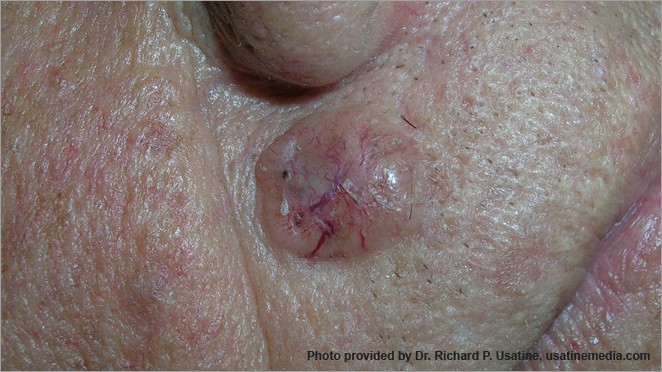
You might notice a bump that looks shiny or pearly on your face, ears, or neck. These small nodules typically appear smooth, and they sometimes have tiny blood vessels visible on the surface. While they may look like a pimple at first, these bumps persist and do not go away. Because they grow slowly, you might easily overlook them for several months.
Sometimes these nodules become crusty or bleed slightly. You wash your face, and the bump opens up, only to scab over again later. This cycle of bleeding and healing signals that the growth requires professional attention. The color varies, appearing pink, red, or white, or sometimes matching your skin tone.
In darker skin tones, the nodule can look like a dark mole. It feels firm to the touch, and it stands out from the surrounding skin texture. While they may be painless, you should monitor them closely for any changes in size. If a bump remains for weeks without resolving, a doctor needs to examine it.
Non-healing Sores
A sore that does not heal within a few weeks is a significant warning sign, and these sores bleed, ooze, or crust over, yet they never completely disappear. When they appear, you might think it is a bug bite or a minor scratch, but the wound persists. This includes:
- The sore bleeds easily.
- The center dips inward.
- The edges look raised.
- It stays open for weeks.
Pay attention to any spot that bleeds spontaneously or after minor contact. The sore may look like a crater with a rolled border, and it is distinct from a normal injury. Because the skin fails to repair itself, the underlying cells likely function abnormally.
Waxy Scars
Sometimes skin cancer manifests as a scar-like area without any prior injury. When you find these, the skin looks white, yellow, or waxy, and the borders of the area are often poorly defined. This sign indicates a more aggressive form of cancer, and it grows deep beneath the surface.
Some people notice the skin feels tight or taut in that specific area. The shiny appearance mimics a scar, yet you do not recall cutting or burning yourself there. Since this change is subtle, it requires careful observation to detect it early.
Get Checked for Skin Cancer
Regular skin examinations allow doctors to identify suspicious growths before they become dangerous. A dermatologist uses specialized tools to look closely at your skin, and they track changes over time. You protect your health when you schedule these routine appointments. If you notice any of the signs listed above, contact a healthcare professional immediately.
