
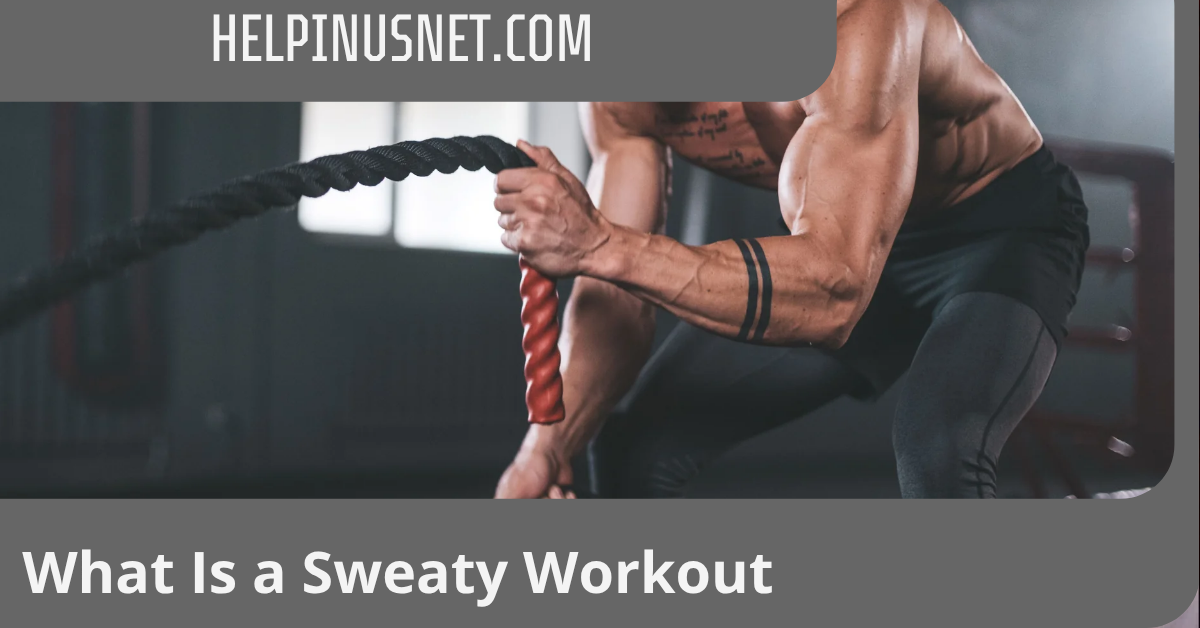
A sweaty workout is a type of exercise that causes noticeable sweating. The term is commonly used in fitness conversations to describe a session that makes the body feel warm, increases breathing and heart rate, and produces visible sweat.
However, sweating is not a direct measurement of how effective a workout is. Your body sweats mainly to control its temperature. A person can sweat heavily during an easy workout in a hot room, while another person may complete a difficult workout in a cool gym with very little sweat.
Understanding this difference can help you build a safer and more effective exercise routine. Instead of trying to produce as much sweat as possible, it is better to focus on exercise intensity, consistency, recovery, hydration, and your personal fitness goals.
This guide explains what a sweaty workout means, why exercise makes you sweat, which workouts commonly produce heavy sweating, whether sweating burns fat, how to stay hydrated, and how to recognize signs that you may be exercising too hard.
What Is a Sweaty Workout?
A sweaty workout is an informal term for physical activity that causes noticeable sweating. It is not a specific type of exercise recognized as a formal training method.
You may have a sweaty workout while running, cycling, doing HIIT, lifting weights, dancing, swimming, rowing, or playing sports.
How much you sweat depends on many factors, including:
- Exercise intensity
- Workout duration
- Room temperature
- Outdoor temperature
- Humidity
- Clothing
- Individual sweating patterns
- Fitness level
- Body size
- Hydration
- Genetics
This means that two people can complete exactly the same workout and have very different amounts of sweat.
For example, a 30-minute indoor cycling workout in a warm room may leave one person completely soaked. The same person might perform the same workout in an air-conditioned gym and sweat much less.
The workout has not necessarily become less effective. The environment has simply changed the body’s cooling needs.
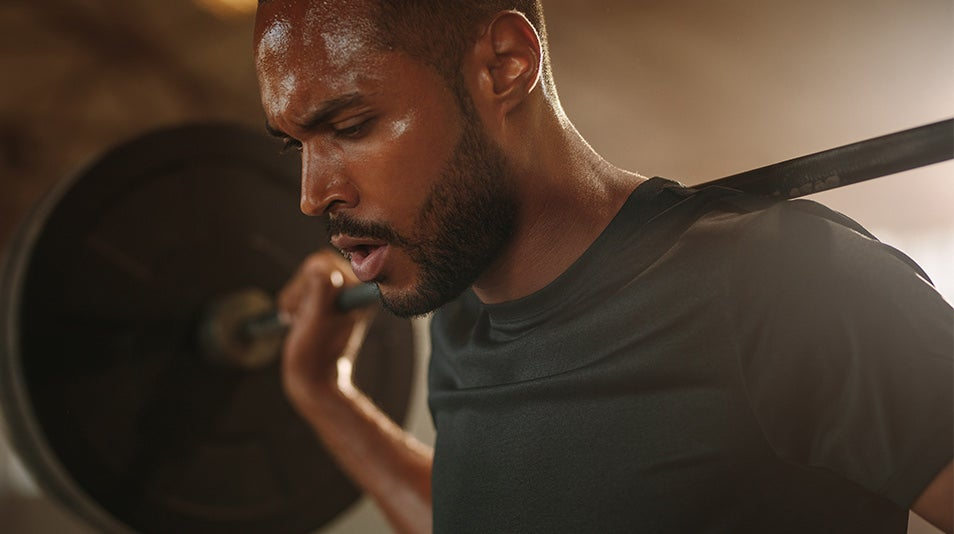
Why Do You Sweat During a Workout?
Sweating is one of the body’s natural cooling mechanisms.
When you exercise, your muscles use energy. Some of that energy is released as heat. As your body temperature rises, your nervous system signals sweat glands to produce sweat.
When sweat reaches the surface of your skin and evaporates, it helps remove heat from your body.
This process becomes especially important during:
- Vigorous exercise
- Long workouts
- Hot weather
- Humid weather
- Indoor workouts in poorly ventilated spaces
- Exercise while wearing heavy clothing
Sweating during exercise is therefore usually a normal response.
It does not mean that your body is getting rid of body fat through sweat. It also does not mean that toxins are simply being removed through exercise sweat.
The primary role of sweating during exercise is temperature regulation.
Is a Sweaty Workout a Good Workout?
A sweaty workout can certainly be a good workout, but sweat alone does not determine workout quality.
A useful workout should match your fitness level and support your goals. Depending on your goal, that could mean improving cardiovascular endurance, building strength, increasing mobility, supporting weight management, or simply becoming more physically active.
Better indicators of workout quality include:
- Appropriate exercise intensity
- Good movement technique
- Consistent training
- Gradual improvement
- Adequate recovery
- Proper hydration
- Ability to complete the session safely
For example, strength training may be very effective without causing large amounts of sweat. Similarly, a brisk walk on a cool day may produce little sweat while still providing meaningful physical activity.
The CDC recommends that adults get at least 150 minutes of moderate-intensity aerobic activity each week or 75 minutes of vigorous aerobic activity, along with muscle-strengthening activity on at least two days each week.
The important point is that the recommendation is based on physical activity and intensity, not on how much you sweat.
What Types of Exercise Usually Cause a Sweaty Workout?
Many forms of exercise can produce significant sweating. The amount depends on how hard and how long you exercise and the environment in which you exercise.
Running is a common example. Faster running, hills, longer distances, and warm weather can all increase sweating.
Cycling can also become a sweaty workout, especially during indoor cycling classes or high-intensity cycling sessions.
HIIT, or high-intensity interval training, often produces heavy sweating because it involves repeated periods of challenging exercise followed by recovery periods.
Strength training can also cause sweating, particularly when exercises involve large muscle groups or when several exercises are performed with limited rest.
Other examples include:
- Rowing
- Swimming
- Dancing
- Jumping exercises
- Stair climbing
- Circuit training
- Basketball
- Soccer
- Tennis
- Fast hiking
There is no single exercise that should be called the best sweaty workout. The best choice depends on your fitness level, interests, health, and goals.
Does More Sweat Mean You Burn More Calories?
No. More sweat does not automatically mean more calories burned.
Sweating mainly represents your body’s effort to control temperature. Calorie expenditure is influenced by the type of activity, intensity, duration, body size, and individual factors.
Consider two people walking on treadmills. One person may sweat heavily because they are exercising in a warm room. Another may sweat very little because they are in a cool room.
Their sweat levels may be very different even if their exercise is similar.
The same principle applies outdoors. A workout performed on a hot summer afternoon can cause far more sweating than the same workout performed on a cool morning.
Therefore, you should not use the amount of sweat on your clothing as a calorie-burn measurement.
Does a Sweaty Workout Burn Body Fat?
Exercise can contribute to body-fat reduction over time, but sweating itself does not burn body fat.
When you sweat, you mainly lose water and electrolytes. This can temporarily reduce your body weight.
For example, if you weigh yourself immediately after a long, sweaty workout, the scale may show a lower number. After you drink fluids and replace the water you lost, some or all of that temporary weight difference can disappear.
Actual changes in body fat happen over a longer period and depend on factors such as:
- Overall energy balance
- Food intake
- Physical activity
- Muscle mass
- Sleep
- Genetics
- Long-term habits
The CDC explains that physical activity increases energy expenditure and can support weight management, but it works together with eating habits and other lifestyle factors.
Trying to sweat as much as possible is therefore not a reliable weight-loss strategy.
How Intense Should a Sweaty Workout Be?
The right intensity depends on your current fitness level and the type of exercise you are doing.
One simple way to judge aerobic intensity is the talk test.
During moderate-intensity activity, you can usually talk but cannot comfortably sing. During vigorous activity, you may only be able to say a few words before needing to breathe.
Heart rate can also help some people understand exercise intensity, although target heart-rate ranges are individual and can be affected by medications and health conditions.
Perceived effort is another useful tool. You can ask yourself how difficult the workout feels on a scale from very easy to very hard.
The goal should not be to make every workout extremely difficult.
A balanced exercise program usually includes different levels of intensity so that your body has enough time to recover.
What Is a Good Sweaty Workout for Beginners?
Beginners do not need an extreme workout to get started.
A simple 25- to 30-minute routine can provide a useful introduction to exercise.
Start with about five minutes of easy movement, such as walking or gentle marching.
Then perform approximately 15 minutes of moderate activity. You might alternate between brisk walking and slower walking, or use exercises such as step-ups and controlled bodyweight movements.
Finish with several minutes of slower movement.
A beginner can gradually increase workout duration or intensity as fitness improves.
The CDC recommends starting slowly and building physical activity gradually, particularly for people who have been inactive.
The most important goal at the beginning is consistency.
How Can You Make a Workout More Challenging Safely?
If your workouts become easier over time, you can gradually increase the challenge.
One option is to increase the duration. For example, you could progress from a 20-minute walk to 30 minutes.
You can also increase intensity by walking faster, adding short jogging periods, increasing cycling resistance, or choosing a more difficult route.
For strength training, progression may involve gradually increasing resistance while maintaining proper technique.
Other ways to progress include:
- Adding repetitions
- Increasing exercise duration
- Reducing unnecessary rest
- Adding another training session
- Using more challenging movements
You do not need to increase everything at once.
A gradual approach can make training easier to maintain and may reduce the risk of excessive fatigue or injury.
How Should You Hydrate During a Sweaty Workout?
Hydration becomes especially important when you sweat heavily.
Your fluid needs depend on exercise duration, temperature, humidity, clothing, body size, and your individual sweating rate.
For normal exercise, water is often an appropriate choice.
During prolonged exercise or exercise in significant heat, fluid and electrolyte needs can increase. People who perform long-duration endurance exercise may need a more specific hydration strategy.
The CDC recommends drinking more water than usual when exercising in hot conditions and taking steps to prevent heat-related illness.
Do not deliberately avoid fluids simply because you want to sweat more.
If you have a medical condition that affects fluid or electrolyte balance, follow the guidance provided by your healthcare professional.
What Should You Wear for a Sweaty Workout?
Workout clothing should help you stay comfortable and manage heat and moisture.
Lightweight athletic clothing can be useful, especially during warm-weather exercise.
Depending on the activity, you may choose:
- Breathable shirts
- Moisture-managing athletic clothing
- Comfortable shorts or pants
- Appropriate socks
- Supportive athletic shoes
Avoid intentionally wearing excessive layers just to increase sweating.
Extra clothing can make it harder for your body to release heat and may increase heat stress.
Your clothing should match the environment and activity rather than being used as a tool to force more sweat.
Are Sweaty Workouts Safe in Hot and Humid Weather?
A sweaty workout can become more difficult in hot or humid conditions.
When the air is humid, sweat does not evaporate as easily. This reduces one of the body’s main methods of cooling.
Hot conditions can therefore make a workout feel much harder than it would in a cool environment.
On hot days, consider:
- Exercising during cooler hours
- Choosing an air-conditioned gym
- Reducing workout intensity
- Taking more breaks
- Drinking appropriate amounts of fluid
- Wearing suitable clothing
- Monitoring how you feel
The CDC recommends pacing yourself during exercise in hot weather and stopping activity if you feel faint or weak.
Heat safety is more important than completing a planned workout.
What Are the Signs That a Sweaty Workout Is Too Much?
Sweating is normal, but certain symptoms should not be ignored.
Stop exercising and move to a cooler location if you experience unusual weakness, dizziness, faintness, severe headache, nausea, or other concerning symptoms during exercise.
More serious heat-related symptoms can include confusion, loss of consciousness, or severe changes in behavior or coordination.
These symptoms require urgent attention.
You should also pay attention to how you feel after exercise. Extreme exhaustion that continues for an unusually long period may indicate that your workout was too demanding or that your recovery needs are not being met.
When in doubt, stop the workout rather than trying to push through serious symptoms.
What Are Common Sweaty Workout Mistakes?
One common mistake is believing that a workout is only successful when clothes are completely soaked.
Another mistake is using extra clothing to force sweating.
Some people also confuse temporary water loss with fat loss and assume that a lower post-workout scale reading represents immediate body-fat reduction.
Other mistakes include:
- Exercising intensely every day
- Ignoring recovery
- Not drinking enough fluids
- Exercising through dizziness
- Starting with an advanced workout
- Comparing sweat levels with other people
- Increasing intensity too quickly
- Ignoring hot or humid conditions
Avoiding these mistakes can make your exercise routine safer and more sustainable.
How Often Should You Do a Sweaty Workout?
There is no health requirement to perform a sweaty workout every day.
Instead, focus on meeting overall physical activity recommendations.
For adults, the CDC recommends at least 150 minutes of moderate aerobic activity per week or 75 minutes of vigorous aerobic activity, plus muscle-strengthening activities on at least two days.
You can divide your activity throughout the week.
For example, you could combine walking, cycling, strength training, swimming, and recreational sports.
Some workouts may be sweaty, while others may be easier.
This variation is normal and can help you create a balanced routine.
How Do You Know if Your Sweaty Workout Is Working?
Instead of measuring success by sweat, look for meaningful changes in your physical abilities.
You might notice that:
- You can walk farther
- You can exercise for longer
- Stairs feel easier
- You recover faster
- Your strength improves
- Your balance improves
- Your pace becomes faster
- Everyday activities require less effort
- You feel more comfortable during exercise
Keeping a simple exercise record can make these improvements easier to notice.
Record the activity, duration, approximate intensity, and how you felt afterward.
Over several weeks, these measurements can tell you much more about your progress than the amount of sweat produced during one workout.
Frequently Asked Questions About Sweaty Workouts
1. Why do I sweat more during some workouts than others?
Sweat production can change because of temperature, humidity, exercise intensity, workout duration, clothing, hydration, and individual differences. Even the same workout can produce different amounts of sweat on different days.
2. Can a sweaty workout improve cardiovascular fitness?
Yes, if the activity provides an appropriate cardiovascular training stimulus. However, the improvement comes from regular physical activity and suitable intensity, not from sweating itself.
3. Should I weigh myself before and after a sweaty workout?
You can track body weight if it is useful for your personal goals, but a short-term drop after heavy sweating mostly reflects fluid loss. It should not be interpreted as immediate body-fat loss.
4. Can I exercise again after having a very sweaty workout?
It depends on the workout intensity, your recovery, hydration, sleep, and overall fitness. An easy session may be appropriate for some people, while others may need more recovery after a demanding workout.
5. Why does my workout feel harder when it is humid?
High humidity makes it harder for sweat to evaporate from your skin. Because evaporation is an important cooling process, your body may have more difficulty releasing heat, making exercise feel harder and increasing heat-related risk.
Conclusion
A sweaty workout is simply exercise that causes noticeable sweating. It can happen during running, cycling, HIIT, strength training, dancing, swimming, sports, and many other activities.
Sweating is primarily your body’s cooling system. It does not tell you exactly how many calories you burned, how much fat you lost, or whether your workout was successful.
For a healthier approach to exercise, focus on regular physical activity, appropriate intensity, gradual progression, hydration, recovery, and safe training conditions. A workout does not need to leave you completely soaked to be valuable.
The best sweaty workout is therefore not necessarily the one that produces the most sweat. It is the workout that fits your ability, supports your goals, and can be performed safely and consistently over time.
