

Staying active is one of the simplest ways to support a healthier and more energetic life. From a morning walk to cycling, dancing, sports, or strength exercises, everyday movement can benefit the heart, muscles, bones, mood, and overall well-being. As modern lifestyles often involve long periods of sitting, making regular movement a priority has become increasingly important. This guide explores practical ways to include activitat fisica in daily life and build habits that can be maintained over time.
What Is Activitat Fisica?
Activitat fisica is a term used in Spanish and Catalan contexts to describe physical activity. In English, it simply means moving the body in ways that use energy and support physical and mental health.
Physical activity is much broader than going to a gym. It can include walking to work, riding a bicycle, playing with children, gardening, dancing, swimming, cleaning the house, climbing stairs, playing sports, or doing a planned workout.
For people in the United States, understanding activitat fisica can be useful because regular movement is an important part of a healthy lifestyle. Current U.S. guidance recommends that most adults get at least 150 minutes of moderate-intensity aerobic physical activity each week, along with muscle-strengthening activities on at least two days each week. Some people may benefit from doing more than the minimum.
The most important point is simple: physical activity does not have to be perfect to be useful. Some activity is better than none.
This guide explains what activitat fisica means, the main types of physical activity, health benefits, recommended activity levels, safe ways to get started, and practical ideas for making movement part of everyday life.
Why Is Activitat Fisica Important?
Physical activity affects many parts of the body. It helps the heart, lungs, muscles, bones, brain, and metabolic system work more effectively.
Regular movement is associated with better heart health, improved physical fitness, stronger muscles and bones, and a lower risk of several chronic diseases. Physical activity also supports mental health and can improve general well-being.
One reason physical activity matters is that modern life can make sitting easy. Many jobs involve computers, driving, meetings, phones, and other activities that require little movement.
A person does not need to become an athlete to counter this pattern. Small changes can make a meaningful difference.
For example:
- Take a short walk during a work break.
- Use stairs instead of an elevator when practical.
- Walk while talking on the phone.
- Do household chores at an active pace.
- Park farther away from a destination.
- Play an active game with children.
- Take a short walk after a meal.
- Add two simple strength-training sessions each week.
These actions may seem small, but they can help increase total movement over time.
What Are the Main Types of Activitat Fisica?
Physical activity can be divided into several broad categories. Understanding these categories makes it easier to create a balanced activity routine.
Aerobic Physical Activity
Aerobic activity increases breathing and makes the heart beat faster.
Examples include:
- Brisk walking
- Jogging
- Running
- Cycling
- Swimming
- Dancing
- Hiking
- Water aerobics
- Playing basketball
- Playing soccer
- Using an elliptical machine
Aerobic activity is sometimes called cardio. It helps develop cardiovascular fitness and can support heart and lung health.
For adults, U.S. recommendations call for at least 150 minutes of moderate-intensity aerobic activity each week or 75 minutes of vigorous-intensity activity, or an equivalent combination.
Muscle-Strengthening Activity
Muscle-strengthening activities make muscles work against resistance.
Examples include:
- Weight lifting
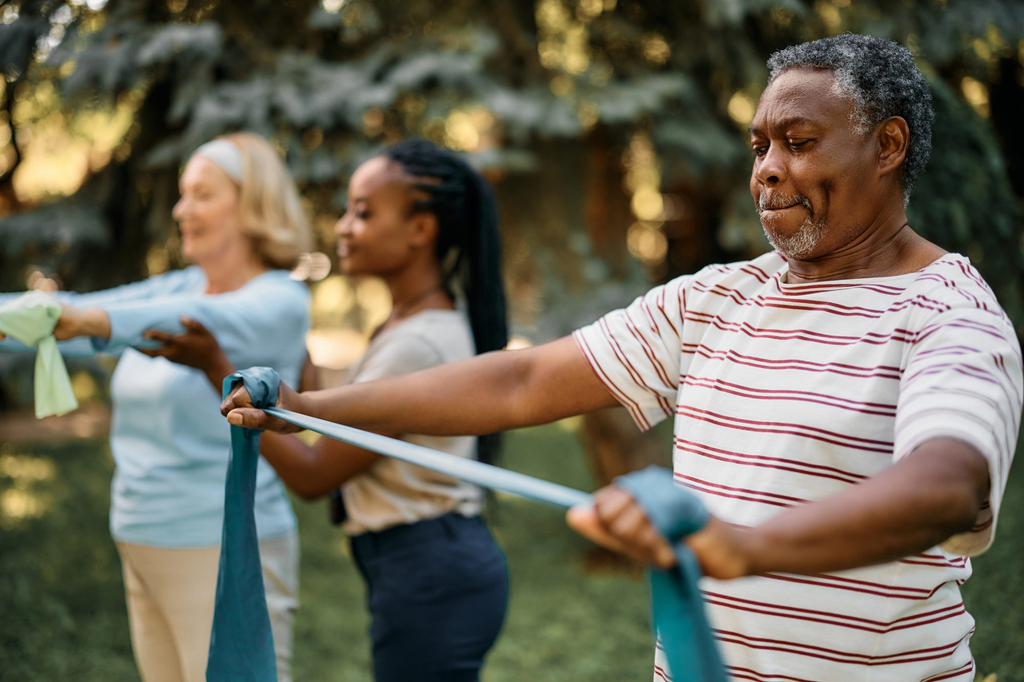
- Resistance-band exercises
- Push-ups
- Squats
- Lunges
- Bodyweight exercises
- Some forms of yoga
- Climbing
- Certain types of gardening
Adults should include muscle-strengthening activity on at least two days each week. Exercises should involve the major muscle groups, including the legs, hips, back, chest, abdomen, shoulders, and arms.
Strength training is not only for people who want large muscles. It can support everyday tasks such as carrying groceries, climbing stairs, getting up from a chair, and lifting household objects.
Bone-Strengthening Activity
Bone-strengthening activities place stress on bones in ways that help support bone health.
Examples can include:
- Running
- Jumping
- Jumping rope
- Basketball
- Tennis
- Dancing
- Certain resistance exercises
Bone-strengthening activity is particularly important during childhood and adolescence because these are important periods for bone development.
Balance Activities
Balance exercises help a person maintain stability and control.
Examples include:
- Standing on one foot
- Tai chi
- Certain yoga exercises
- Heel-to-toe walking
- Specific balance exercises
Balance activities become especially useful as people get older because maintaining balance can help reduce the risk of falls. Adults age 65 and older are advised to include balance activities along with aerobic and muscle-strengthening activities.
How Much Activitat Fisica Do Adults Need?
For most adults in the United States, the basic target is:
- At least 150 minutes of moderate-intensity aerobic activity each week, or
- At least 75 minutes of vigorous-intensity aerobic activity each week, or
- An equivalent combination of moderate and vigorous activity.
- Muscle-strengthening activity on at least two days each week.
The 150 minutes do not have to happen in one or two long workouts. They can be spread across the week. For example, 30 minutes on five days is one simple approach.
The current U.S. guidelines also recognize that more activity can provide additional health benefits. Adults who are able may work toward approximately 300 minutes of moderate-intensity aerobic activity each week.
However, reaching 300 minutes is not a requirement for everyone.
A person who currently does very little activity should not assume that a large exercise target must be reached immediately. Starting with manageable amounts and increasing gradually can be a more practical approach.
Does Every Minute of Physical Activity Count?
Yes, physical activity does not have to happen in one long workout.
Current guidance emphasizes that some activity is better than none. Adults can divide physical activity into smaller periods during the day.
For example, instead of one 30-minute walk, a person might take:
- A 10-minute walk in the morning
- A 10-minute walk at lunch
- A 10-minute walk in the evening
This can make physical activity easier for people with busy schedules.
The best routine is often the one that a person can repeat consistently.
What Is Moderate-Intensity Physical Activity?
Moderate-intensity activity makes the body work harder but usually does not leave a person unable to speak.
Brisk walking is a common example.
Other examples may include:
- Recreational bicycling
- Water aerobics
- Dancing
- Fast-paced household work
- Hiking on moderate terrain
- Doubles tennis
A simple way to think about intensity is the talk test.
During moderate activity, you can usually talk but may not be comfortable singing a full song.
During vigorous activity, breathing becomes much harder. You may only be able to say a few words before taking another breath.
Intensity varies from person to person. An activity that feels moderate to one person may feel vigorous to another.
What Are the Health Benefits of Activitat Fisica?
Physical activity can provide benefits throughout the body.
Heart Health
Regular aerobic activity helps improve cardiovascular fitness.
Over time, physical activity is associated with a lower risk of several cardiovascular problems, including heart disease and stroke. The U.S. physical activity guidelines also identify cardiovascular disease prevention as an important long-term benefit.
Walking, cycling, swimming, dancing, and other aerobic activities can all contribute to cardiovascular fitness.
Weight Management
Physical activity uses energy. This can contribute to maintaining a healthy body weight.
However, weight management is more complicated than exercise alone. Food intake, sleep, genetics, medications, stress, age, and other factors can affect body weight.
The CDC notes that physical activity can help with weight loss and is important for maintaining weight loss, although many people need more than the minimum activity recommendation for weight-management goals.
For this reason, physical activity should not be viewed only as a tool for changing body size. It has many benefits even when body weight does not change.
Muscle Strength
Resistance exercise helps muscles adapt to physical demands.
Stronger muscles can make everyday tasks easier. Examples include lifting objects, carrying groceries, climbing stairs, and moving furniture safely.
Muscle-strengthening exercise can be done at home, in a gym, outdoors, or in other settings.
Bone Health
Weight-bearing movement and strength exercises can support bone health.
This is especially important across the lifespan. Children and teenagers also need activities that strengthen bones as part of their regular movement.
Mental Health
Physical activity is also connected with mental well-being.
Regular movement may help reduce symptoms of anxiety and depression and can support general emotional health. Research summarized by international health authorities also links physical activity with better thinking, learning, and overall well-being.
A short walk may not solve every emotional problem, but movement can be one useful part of a broader approach to mental health.
Brain Health
Physical activity supports brain health across the lifespan.
For children and teenagers, regular activity is associated with benefits involving cognition and academic performance.
For adults, staying active can support overall brain and physical health.
Better Physical Function
Being physically active helps the body practice movement.
This matters for everyday independence. A person who regularly walks, strengthens muscles, and practices balance may find common activities easier to perform.
Physical activity is therefore not only about exercise performance. It is also about maintaining the ability to live, work, travel, play, and care for yourself.
Activitat Fisica for Children and Teenagers
Children have different activity needs from adults.
According to current CDC guidance, children ages 3 to 5 should be physically active throughout the day. Children and teenagers ages 6 to 17 should get at least 60 minutes of moderate-to-vigorous physical activity every day.
The daily activity should include a mixture of movement.
For children and teenagers ages 6 to 17:
- Most activity should be aerobic.
- Vigorous activity should occur at least three days per week.
- Muscle-strengthening activity should occur at least three days per week.
- Bone-strengthening activity should occur at least three days per week.
Young people do not need to spend an hour doing formal workouts.
Active play, sports, biking, running, playground activities, dancing, and other enjoyable movements can contribute.
The goal should be to make movement enjoyable rather than turning every activity session into a competition.
Activitat Fisica for Older Adults
Physical activity remains important after age 65.
Older adults generally need:
- At least 150 minutes of moderate aerobic activity per week, or an equivalent amount of vigorous activity.
- Muscle-strengthening activity on at least two days per week.
- Balance activities.
The type and intensity of activity should match a person’s abilities and health needs.
Walking, water exercise, resistance bands, light strength training, chair exercises, and balance exercises may be useful options for some older adults.
The goal is not necessarily to exercise like a younger person. The goal is to maintain movement, strength, balance, and independence as much as possible.
Activitat Fisica for People With Disabilities or Chronic Health Conditions
Physical activity can also benefit people living with chronic health conditions or disabilities.
The CDC states that adults with chronic conditions or disabilities who are able should aim for at least 150 minutes of moderate-intensity aerobic activity each week and muscle-strengthening activity on at least two days per week. The exact activities should be adapted to individual abilities and circumstances.
Examples may include:
- Walking
- Wheelchair rolling
- Cycling
- Swimming
- Water aerobics
- Resistance-band exercises
- Adapted strength training
- Certain yoga positions
A healthcare professional or qualified physical activity specialist can help someone determine appropriate activities when a medical condition, disability, injury, or major limitation affects exercise choices.
Activitat Fisica and a Sedentary Lifestyle
Physical activity and sedentary behavior are related, but they are not exactly the same thing.
A person might exercise for 30 minutes and then spend most of the remaining day sitting at a desk.
This is why it can be useful to think about movement across the entire day.
Simple strategies include:
- Stand during some phone calls.
- Walk during breaks.
- Take the stairs when appropriate.
- Stretch after long periods of sitting.
- Walk around the building.
- Do household tasks instead of remaining seated.
- Add short movement breaks during computer work.
The World Health Organization emphasizes that all physical activity counts and that reducing sedentary behavior is also important.
How to Start an Activitat Fisica Routine
Starting can be harder than knowing what to do.
Many people begin with an ambitious plan and then stop because the routine is too difficult, time-consuming, or uncomfortable.
A better approach is often to start small.
Step 1: Choose an Activity You Enjoy
Walking is a good example because it usually requires little equipment.
Other options include:
- Cycling
- Swimming
- Dancing
- Hiking
- Sports
- Home workouts
- Gardening
- Group fitness classes
Enjoyment matters because a routine is easier to maintain when it fits your interests.
Step 2: Start With a Realistic Amount
If you currently do little physical activity, beginning with short sessions can be reasonable.
For example, you might start with a 10-minute walk and gradually add time.
You do not have to become highly active overnight.
Step 3: Add Strength Training
Once regular movement becomes comfortable, consider adding strength exercises twice a week.
A basic session might include movements for:
- Legs
- Hips
- Back
- Chest
- Shoulders
- Arms
- Abdomen
Bodyweight exercises and resistance bands can be useful for beginners.
Step 4: Build a Schedule
A schedule removes some of the need to make a new decision every day.
For example:
Monday: 30-minute brisk walk
Tuesday: Strength training
Wednesday: 30-minute walk
Thursday: Rest or light movement
Friday: 30-minute walk
Saturday: Strength training plus recreational activity
Sunday: Easy walk or rest
This is only an example. A good plan should fit the person’s schedule and abilities.
Step 5: Increase Gradually
If a new routine causes extreme soreness or exhaustion, it may be too much too quickly.
Gradual progression gives the body time to adapt.
Increase duration, frequency, or intensity slowly rather than changing everything at once.
How to Make Activitat Fisica Easier With a Busy Schedule
A lack of time is one of the most common barriers to regular movement.
The solution does not always require finding a completely free hour.
Try connecting physical activity to things you already do.
For example:
- Walk while listening to a podcast.
- Take a short walk after lunch.
- Walk while talking on the phone.
- Use stairs at work.
- Walk to nearby errands.
- Do bodyweight exercises during television breaks.
- Schedule exercise like an appointment.
- Take active family outings.
Another useful strategy is to focus on weekly totals instead of expecting every day to look identical.
One busy day does not ruin an entire week.
How to Stay Motivated
Motivation changes.
Even people who enjoy exercise sometimes have days when they do not feel like moving.
Instead of relying entirely on motivation, create habits.
Helpful strategies include:
- Keep comfortable walking shoes available.
- Exercise at a consistent time.
- Track completed sessions.
- Invite a friend.
- Join a walking group.
- Choose activities you actually enjoy.
- Set small goals.
- Reward consistency rather than perfection.
A useful goal might be “walk three times this week” rather than “become fit immediately.”
Small successes can build confidence.
Common Mistakes to Avoid
Doing Too Much Too Soon
Starting with an extremely hard workout can lead to excessive soreness, frustration, or injury.
Gradual progression is usually more sustainable.
Believing Exercise Must Be Painful
Exercise can be challenging without being painful.
Sharp, severe, or unusual pain should not be ignored.
Focusing Only on Cardio
Walking and other aerobic activities are valuable, but a balanced routine should also include muscle-strengthening activity.
Ignoring Rest and Recovery
Rest is part of a healthy activity routine.
Recovery needs vary depending on activity type, intensity, age, fitness level, sleep, and health status.
Comparing Yourself With Other People
Fitness levels vary greatly.
A beginner should not judge progress against someone who has trained for years.
Personal improvement is a better measurement.
Is Walking Enough for Activitat Fisica?
Walking can be an excellent form of physical activity.
Brisk walking can count as moderate-intensity aerobic activity and can help adults work toward the recommended weekly aerobic target.
Walking is also practical because it can be done in many places and does not usually require expensive equipment.
However, a complete activity routine may benefit from adding muscle-strengthening and, for older adults, balance activities.
Walking can be the foundation of a routine rather than the entire routine.
Can Household Chores Count as Physical Activity?
Yes, household and everyday activities can involve meaningful movement.
Examples include:
- Gardening
- Cleaning
- Carrying groceries
- Mowing the lawn
- Washing a car
- Climbing stairs
- Moving household items
The amount of energy used depends on the task and intensity.
The broader lesson is that physical activity is not limited to formal exercise. International guidelines recognize movement related to work, transportation, leisure, sports, and household activities.
Activitat Fisica and Weight Loss
Physical activity can support weight management, but it is important to have realistic expectations.
Exercise increases energy use, but body weight is influenced by many factors.
A person may become fitter and healthier without seeing a large change on the scale.
For people pursuing weight loss, physical activity works best as part of a broader healthy lifestyle that may include balanced nutrition, adequate sleep, stress management, and sustainable habits.
It is generally better to focus on health and function than on rapid changes in body weight.
Safety Tips for Physical Activity
Most people can benefit from regular movement, but safety still matters.
Helpful precautions include:
- Start gradually if you are inactive.
- Choose activities appropriate for your fitness level.
- Wear suitable footwear.
- Drink fluids when needed.
- Consider weather conditions.
- Use appropriate protective equipment for sports.
- Learn proper technique for strength exercises.
- Allow recovery after demanding sessions.
- Stop and seek appropriate medical advice for concerning symptoms.
People with certain medical conditions, significant injuries, or major physical limitations may benefit from discussing exercise plans with a healthcare professional.
When Should You Talk With a Healthcare Professional?
You may want professional guidance before beginning or significantly changing physical activity if you have a health condition that could affect exercise safety.
A healthcare professional can help answer questions such as:
- Which activities are appropriate?
- How hard should I exercise?
- Are there movements I should avoid?
- How should I progress?
- Do I need special equipment or supervision?
This is especially important when symptoms, injuries, disabilities, or chronic conditions affect mobility or exercise tolerance.
How Activitat Fisica Fits Into a Healthy Lifestyle
Physical activity is only one part of health.
A well-rounded lifestyle also includes nutritious food, adequate sleep, stress management, social connection, preventive healthcare, and other healthy behaviors.
This matters because there is no single habit that can guarantee perfect health.
Physical activity is valuable because it can improve many aspects of health at the same time.
A simple daily walk can support cardiovascular fitness, mood, mobility, and routine. Strength training can support muscle function. Balance activities can help older adults maintain stability.
The best approach is usually a combination of habits rather than one extreme strategy.
Frequently Asked Questions About Activitat Fisica
1. What does activitat fisica mean in English?
Activitat fisica generally means “physical activity” in English. It refers to body movement that uses energy. It includes exercise, sports, walking, active transportation, household activities, work-related movement, and recreational activities.
2. What is the easiest activitat fisica for beginners?
Walking is one of the easiest choices for many beginners. It can be adjusted in speed and duration and usually requires little equipment. A beginner can start with short walks and gradually increase duration or intensity.
3. Can I do activitat fisica at home without equipment?
Yes. Many physical activities can be done at home without equipment. Examples include walking in place, squats, lunges, push-ups, certain yoga movements, stretching, dancing, and other bodyweight exercises.
The exact exercises should match your ability and fitness level.
4. Is activitat fisica helpful if I am not trying to lose weight?
Yes. Weight loss is only one possible reason to be physically active. Physical activity can support cardiovascular health, muscle strength, bone health, mobility, mental well-being, and general fitness. These benefits can occur even when body weight does not change.
5. How can I make activitat fisica a long-term habit?
Choose activities you enjoy, start at a manageable level, schedule movement into your week, and increase gradually. It can also help to exercise with friends or connect physical activity to an existing habit, such as walking after lunch.
Key Takeaways About Activitat Fisica
Activitat fisica means physical activity, and it includes far more than traditional exercise.
For adults in the United States, a useful basic target is at least 150 minutes of moderate-intensity aerobic activity each week, plus muscle-strengthening activities on at least two days.
Children and teenagers ages 6 to 17 should get at least 60 minutes of moderate-to-vigorous physical activity each day, while children ages 3 to 5 should be active throughout the day.
Older adults should combine aerobic activity and muscle strengthening with balance activities.
Most importantly, physical activity does not have to be complicated.
Walking, cycling, dancing, gardening, playing with children, swimming, household work, strength training, and sports can all contribute to an active lifestyle.
Conclusion
Activitat fisica, or physical activity, is one of the simplest foundations of a healthier lifestyle. It does not require a particular body type, expensive equipment, or membership at a fitness center.
The key is regular movement.
For most adults, the goal is to build toward at least 150 minutes of moderate aerobic activity each week and include muscle-strengthening activities on at least two days. More activity may provide additional benefits when appropriate, but people who are currently inactive can begin with smaller amounts and build gradually.
A successful physical activity routine should be realistic, enjoyable, safe, and flexible.
Instead of asking, “What is the perfect workout?” a more useful question may be, “What movement can I realistically continue?”
For one person, that may be a daily walk. For another, it may be cycling, swimming, dancing, strength training, sports, gardening, or a combination of activities.
The goal is not perfection. The goal is to move more, sit less, build healthy habits, and keep those habits going over time.
