
Skin cancer is a common cancer, and treatment decisions often depend on the type of cancer, its size and depth, and whether it has spread beyond the skin. While many cases are highly treatable, patients may still face a range of options, from minor in-office procedures to extensive surgical or medical therapies. Here’s an overview of key skin cancer treatment options:
Reviewing Key Treatment Details
Your dermatologist will evaluate specific characteristics of your skin cancer before recommending treatment. The cancer type plays a fundamental role in determining the best approach, and the location matters too, since cancers on the face or near significant structures require precise removal techniques.
The size and depth of the tumor influence which treatment will be most effective. Your dermatologist will also contemplate whether the cancer has spread beyond the skin’s surface. Your overall health and medical history are also part of the evaluation process; these details help your provider create a treatment plan tailored to your specific situation.
Choosing In-Office and Surgical Options
Skin cancers are often treated surgically. Here are the primary methods your dermatologist may recommend:
- Excisional surgery: The dermatologist cuts out the entire cancer along with a margin of healthy tissue to make sure all cancer cells are removed.
- Mohs surgery: This technique removes cancer layer by layer while examining each layer under a microscope.
- Cryosurgery: Liquid nitrogen freezes and destroys precancerous lesions or less aggressive tumors.
- Electrosurgery: An electric current removes or destroys cancer tissue, often used for smaller lesions.
Your dermatologist will explain which surgical option offers the best outcome for your specific cancer.
Exploring Non-Surgical Treatments
Surgery isn’t always the right choice for every patient or every skin cancer. Some people have medical conditions that make surgery risky, while others have tumors in locations where non-surgical options work well. Your dermatologist may recommend topical medications you apply directly to the skin; these trigger your immune system to attack cancer cells or chemically destroy them.
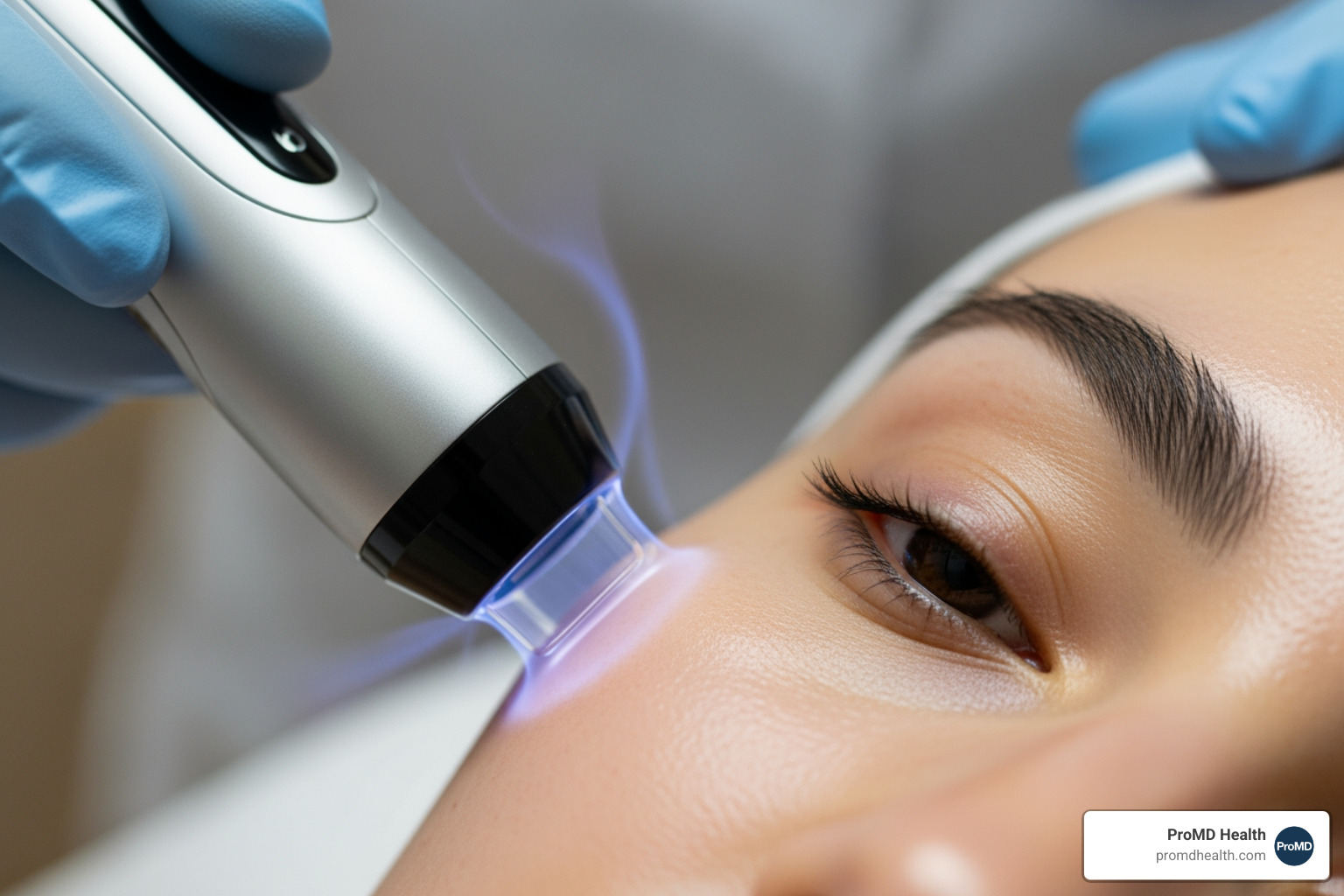
Photodynamic therapy combines a light-sensitizing medication with a specific wavelength of light to destroy cancer cells. This treatment works well for certain superficial cancers and precancerous lesions. Radiation therapy uses high-energy beams to kill cancer cells. It may be helpful for patients who can’t undergo surgery or when cancer returns after surgical removal. Each non-surgical option has specific applications where it performs best, and your dermatologist will help determine if one of these approaches is right for you.
Managing Advanced Cancer Care
Melanoma and more advanced skin cancers sometimes require further treatment beyond local removal. Your dermatologist may recommend these approaches:
- Sentinel lymph node biopsy: This procedure checks whether melanoma has spread to nearby lymph nodes, and the results help guide further treatment decisions.
- Immunotherapy: These medications boost your immune system’s ability to recognize and fight cancer cells.
- Targeted therapy: These drugs target specific mutations in cancer cells, blocking their growth and spread.
- Chemotherapy: For advanced cases, chemotherapy may be necessary to treat cancer that has spread beyond the skin.
Melanomas detected early usually respond well to surgical excision alone, but more invasive cases benefit from collaboration between your dermatologist and an oncologist.
Schedule Your Skin Cancer Appointment
Treatment success depends heavily on early detection and appropriate intervention. Regular skin examinations by you and your dermatologist help detect skin conditions early and improve outcomes. If you notice any changing moles, new growths, or spots that don’t heal, contact a qualified dermatologist near you to schedule your skin cancer appointment today.
