
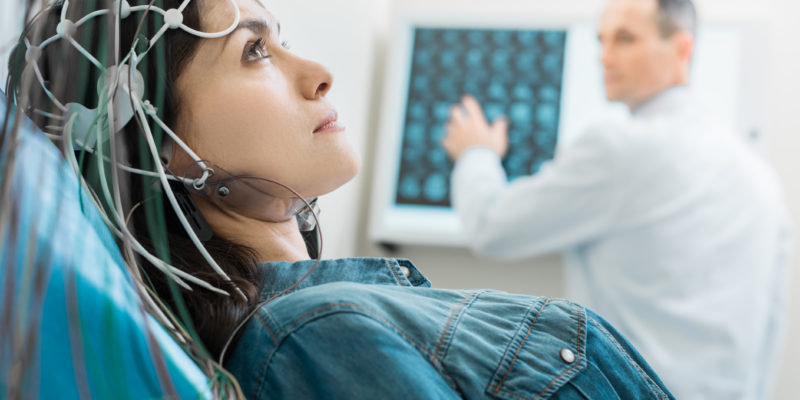
Neurology is a specialized branch of medicine that focuses on the nervous system, and this includes the brain, spinal cord, and a network of nerves throughout the body. While people may associate neurology only with brain surgery, the field encompasses a wide range of treatments and diagnostic tools. Here is more information about the role of neurology care:
Diagnosing Neurological Conditions
The diagnostic process typically begins when a patient reports specific symptoms, such as headaches or dizziness. A neurologist reviews these symptoms carefully, and they may order imaging tests to see internal structures. Because the nervous system is intricate, identifying the root cause of a problem requires precision and patience.
Physical examinations test reflexes and muscle strength, which helps localize the issue. Doctors observe how a patient walks or speaks, so they can gather clues about brain function. While technology significantly aids diagnosis, clinical observation remains a fundamental part of the medical evaluation.
Monitoring Brain Issues
Chronic conditions such as epilepsy or multiple sclerosis require ongoing surveillance to manage progression effectively. Doctors track changes over time, and this vigilance helps them adjust medications as needed. If a patient experiences a seizure, the medical team analyzes the event to prevent future occurrences.
Regular check-ups allow neurologists to spot subtle shifts in cognitive function or motor skills. Patients might not notice small changes themselves, yet these details matter for long-term health management. For patient safety, consistent monitoring provides data that informs future medical decisions and care strategies.
Improving Quality of Life
Neurological care extends beyond simple survival and addresses daily functionality. Patients may struggle with movement disorders, so physical therapy often accompanies medical treatment. When mobility improves, independence increases, which positively impacts a person’s overall mental state.
Pain management is another significant aspect of comprehensive neurological care. Chronic pain disrupts sleep and work, but targeted therapies offer relief without heavy reliance on narcotics. A neurologist evaluates the source of pain, and they prescribe treatments that address nerve signals directly.
Speech and occupational therapies help individuals regain lost skills after a stroke or injury. The brain possesses plasticity, which is when it rewires itself with practice and guidance. These therapies support patients, and they can relearn how to communicate or perform basic daily tasks.
Performing Interventions
Interventional neurology involves minimally invasive procedures to treat conditions within the brain’s blood vessels. Surgeons use catheters to reach the problem area, and this approach typically results in shorter recovery times. In some cases, quick action during a stroke saves brain tissue and preserves function for the patient.
Standard interventions include:
- Clot removal
- Aneurysm coiling
- Stent placement
- Artery stenting
These procedures aim to improve outcomes for patients by addressing critical issues at their source, and they also may reduce the risks associated with traditional surgery, which can be more invasive and require longer recovery periods. While timing is significant, the precision of these interventions aims to improve the chances of regaining normal function and minimizing long-term complications.
Find a Neurology Clinic
Locating a specialized clinic is the first step toward addressing potential neurological concerns. You might need a referral from your primary doctor, or you may seek a specialist directly. Finding the right care team supports your progress toward better health and understanding. If you have concerns, contact a local neurology center today to schedule an evaluation and discuss your symptoms.
