
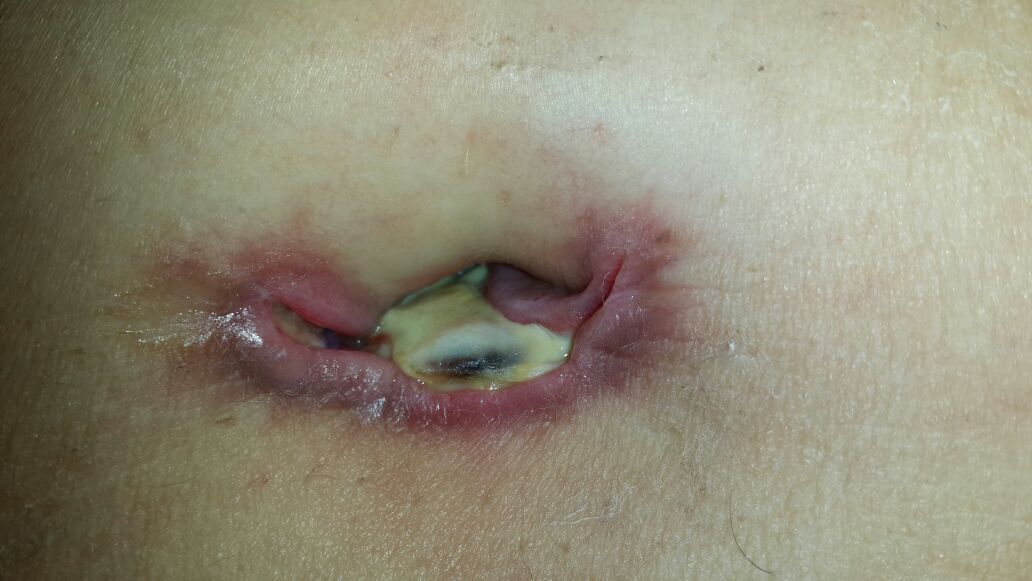
A hernia occurs when an internal part of the body pushes through a weakness in the muscle or surrounding tissue wall. This usually develops between your chest and hips. In many cases, it causes no or very few symptoms, although you might notice a swelling or lump in your abdomen or groin. The lump can often be pushed back in or disappears when you lie down. Surgery is the only way to permanently fix a hernia, but not every hernia needs immediate repair. Doctors often monitor smaller hernias that aren’t causing symptoms, a strategy known as “watchful waiting.” Understanding when waiting is safe and when hernia surgery is necessary is advisable for your health.
Watch-and-Wait Symptoms
Not all hernias require immediate surgical intervention. If your hernia is small and you do not experience significant discomfort, your doctor might recommend a period of observation. This approach involves monitoring the hernia for changes over time rather than rushing into an operation. During this phase, you should pay attention to how the hernia behaves during your daily activities. If the bulge is small and easily reducible, meaning you can push it back in gently, it typically poses less immediate risk. You might feel a slight pressure or heaviness, but it should not be painful.
Key signs that “watchful waiting” is appropriate include:
- No Pain: You feel the bulge, but it does not hurt.
- Reducible: The bulge goes back in when you lie down or push gently.
- Small Size: The hernia has not grown significantly recently.
- No Impact on Daily Life: You can work and exercise without limitations.
Even during this period, regular check-ups are recommended. Your physician will want to confirm that the weakness in the abdominal wall isn’t worsening.
Surgery Symptoms
While waiting is an option for some, hernia surgery eventually becomes necessary for many patients. Hernias do not heal on their own, and they often grow larger over time. The primary goal of surgery is to prevent complications and relieve discomfort that interferes with your quality of life.
Schedule surgery if the hernia begins to affect your daily routine. Pain is a significant indicator, and if you experience discomfort when lifting objects, coughing, or standing for long periods, it may be time to repair the defect. Signs that may suggest a need for non-emergency surgery include a bulge that is noticeably larger than before, aching or burning discomfort at the hernia site, increasing difficulty pushing the bulge back in, or pain that stops you from exercising or working comfortably. Surgery is a common and generally safe procedure. The surgeon pushes the bulging tissue back into place and strengthens the abdominal wall with stitches or mesh.
Emergency Surgery Symptoms
In rare cases, a hernia can become a medical emergency. This happens when the protruding tissue becomes trapped (incarcerated) and cannot be pushed back in. If the blood supply to the trapped tissue is cut off, it is called a strangulated hernia. This condition can lead to tissue death, and it requires immediate attention.
Seek emergency care if you experience sudden changes. Strangulation can happen quickly and is life-threatening if untreated. Watch for these emergency signs:
- Sudden, Severe Pain: The pain intensifies rapidly.
- Nausea and Vomiting: You feel sick to your stomach.
- Color Change: The bulge turns red, purple, or dark.
- Inability to Pass Gas: You cannot have a bowel movement or pass gas.
- Fever: Your body temperature rises alongside the pain.
If you notice these symptoms, do not wait for a scheduled appointment. Go to the emergency room immediately.
Ask About Hernia Surgery Today
Many hernias can be managed with monitoring, and knowing the signs of progression helps you make informed decisions. Early consultation with a specialist helps you receive the most appropriate care plan for your situation. Do not hesitate to reach out if you notice a new lump or have questions about abdominal pain.
