
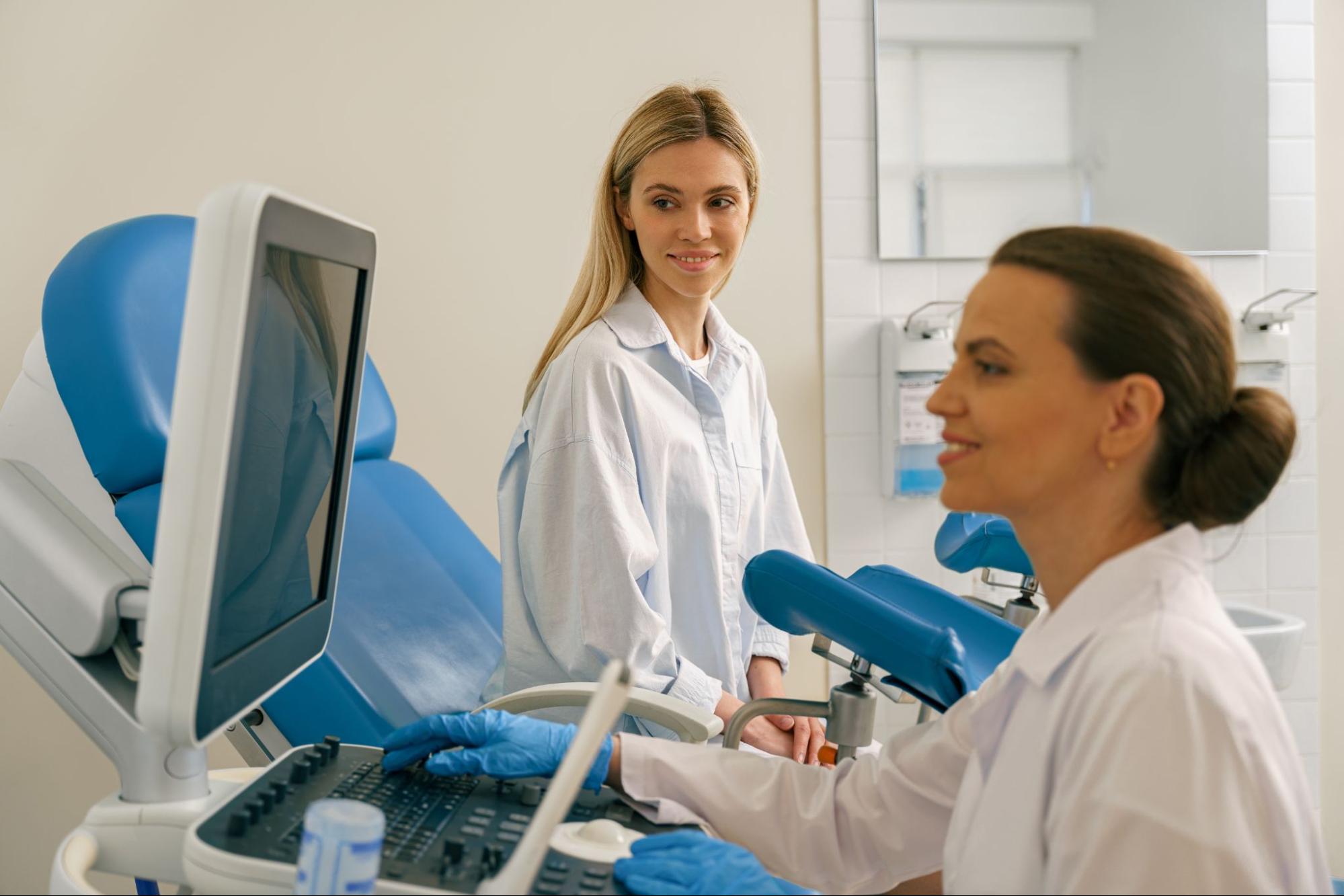
Gynecology encompasses a range of procedures used to diagnose, treat, and manage conditions affecting the female reproductive system. Some are performed routinely as part of preventive care, while others are recommended to evaluate symptoms such as abnormal bleeding, pelvic pain, or fertility concerns. Here is an overview of common gynecological procedures:
Detecting Root Causes
Doctors use screening tests to detect signs of disease before symptoms appear, or diagnostic tests to identify the cause of a problem. These exams are fundamental for maintaining long-term health because they detect issues early. A gynecology specialist will perform the following examinations during a regular visit or if you report a specific symptom:
- Pap Smear: A routine screening test for cervical cancer. The doctor collects cells from the cervix to look for changes that may indicate cancer.
- HPV Test: This test detects human papillomavirus (HPV), a virus that can cause cell changes on the cervix. It is often performed concurrently with a Pap smear.
- Colposcopy: If a Pap smear shows abnormal results, the gynecology specialist uses a colposcope to look closely at the cervix. This helps them decide if a biopsy is needed.
- Biopsy: A biopsy involves taking a small sample of tissue from the cervix or the lining of the uterus. The lab checks this sample for cancer or other abnormalities.
These screenings are helpful tools that allow your doctor to monitor your reproductive health accurately.
Guiding Next Steps
Sometimes a physical examination does not provide sufficient information to make a diagnosis. Imaging tests allow the doctor to visualize the body’s interior without surgery. An ultrasound uses sound waves to create pictures of the ovaries and uterus. This is a key method for locating cysts, fibroids, or the cause of pelvic pain. Another common test is a hysteroscopy. During this procedure, the doctor inserts a thin, lighted tube through the vagina to look inside the uterus. This helps them detect polyps or fibroids that may cause heavy periods.
Treating Bleeding and Pain
If a diagnostic test identifies a problem, the gynecology specialist may recommend a procedure to address it. These treatments aim to stop heavy bleeding, remove abnormal tissue, or relieve pain. Here are some of them:
- Loop Electrosurgical Excision Procedure (LEEP): This procedure uses a thin wire loop with an electrical current. It removes abnormal cells from the cervix to prevent cervical cancer.
- Endometrial Ablation: This treatment destroys a thin layer of the uterine lining. It is helpful for women who have very heavy periods but do not want a hysterectomy.
- Dilation and Curettage (D&C): The doctor dilates the cervix and scrapes the uterine lining. This procedure removes tissue after a miscarriage or treats heavy bleeding.
Your provider will discuss which option is best for your specific situation to make sure you receive the right care.
Fixing Ongoing Problems
Some conditions require surgery if other treatments are ineffective. Surgery usually involves removing organs or large growths to improve a patient’s quality of life. A hysterectomy is the surgical removal of the uterus, and it is a permanent solution for conditions like fibroids or cancer. A myomectomy is a different surgery that removes fibroids but leaves the uterus in place.
Surgeons may use advanced technology to perform these operations. Some gynecology surgeons now offer minimally invasive surgeries using the da Vinci robotic surgery system. This technology enables precise movement through small incisions.
Schedule Your Gynecology Appointment Today
Gynecological health is a fundamental component of overall well-being, and addressing conditions such as prolapse, endometriosis, and fibroids often requires specialized care. Advanced surgical techniques provide minimally invasive options that promote faster recovery and reduce the likelihood of complications. For routine examinations or specific treatments, contact a qualified gynecology specialist near you to schedule your appointment today.
