
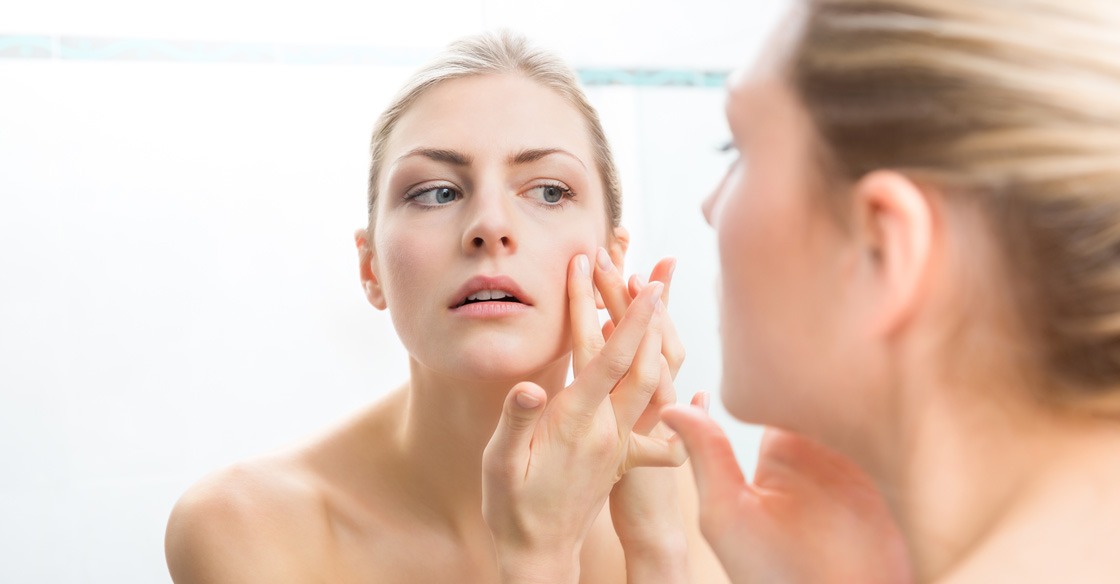
Sun exposure changes your skin, potentially leading to fine lines, dark spots, and texture concerns. Dermatologists offer treatments for sun-damaged skin, and there are several options available. Learning about these treatments supports informed decisions for your skin care.
Therapies for Surface Correction
A dermatologist may use light-based treatments for sun-damaged skin. Light therapy targets pigmentation issues like freckles and sunspots, aiming to even skin tone and renewing appearance. A specific wavelength can break down the pigment in dark spots, so they fade over time and become less noticeable. Improvement often occurs after several treatments, though full results take time. Light therapies are gentle, and most patients resume normal activities soon after a session. Light therapy is customizable. Your dermatologist adjusts the wavelength and intensity to match your skin condition. Some light therapies can also stimulate collagen production, softening fine lines. Discuss possible side effects with your dermatologist. Mild redness, swelling, or temporary darkening of spots may occur before they lighten, but these effects are usually short-lived. Your provider will guide you on caring for your skin after treatment.
Lasers for Deeper Renewal
Laser therapy treats sun damage by addressing texture changes, wrinkles, and persistent pigmentation issues. The laser removes outer layers of damaged skin, targeting sunspots, rough patches, and uneven tone. Collagen production is stimulated, helping skin become firmer and improving texture. Ablative lasers remove outer skin layers, and non-ablative lasers work below the surface. Your dermatologist selects the laser type that matches your skin’s needs and goals. This method can reach deeper layers, attempting to correct deep wrinkles, roughness, and discoloration. Recovery may involve days of redness and sensitivity, so patients should avoid sun exposure during this period. Possible side effects include temporary redness, swelling, and mild discomfort. In rare cases, pigmentation changes or minor scarring may occur, but the risk is reduced with professional care. Laser therapy results last with proper aftercare, including sun protection and gentle skin-care products.
Treatments for Collagen Stimulation
Microneedling treats sun-damaged skin using a minimally invasive approach. A dermatologist uses fine needles to create tiny punctures in the top layer of skin. These micro-injuries trigger healing, increasing collagen and elastin production. As the skin repairs, it becomes smoother and firmer, reducing fine lines and improving texture. This method addresses mild scarring, enlarged pores, and uneven pigmentation from sun damage. Gradual improvements occur after several sessions as new collagen forms.
While some people experience mild redness and swelling, it only lasts for a day or two after each session. Results are built with consistent care and continued treatments recommended by your dermatologist. Most patients return to daily activities shortly after the procedure. Sun protection is advised while your skin heals. Rare side effects include temporary bruising or dry patches, but these usually resolve quickly with gentle skincare. Microneedling offers a practical step toward healthier, more resilient skin. Your dermatologist will explain what to expect and tailor the plan to your needs.
Schedule a Dermatologist Consultation
Learning about your options is the first step toward healthier skin. Since a dermatologist assesses the type of sun damage, they create a personalized treatment plan. Reach out to a dermatologist to discuss your concerns and find the best approach for your skin.
