
To evaluate the heart’s function and structure, medical professionals use a variety of diagnostic procedures in cardiology. These assessments provide detailed information that helps detect and manage cardiovascular conditions. Understanding the purpose and process of these tests can help individuals take part in discussions about their heart health.
Exploring Cardiac Tests
Cardiologists may use several tests to collect detailed information about your heart. Common procedures in cardiology include:
- Electrocardiogram (ECG or EKG): This test records the heart’s electrical activity to detect irregular rhythms or signs of a past or current heart attack.
- Holter Monitor: For a longer assessment, a Holter monitor can be worn for a period to record the heart’s rhythm during daily activities.
- Stress Test: This test monitors the heart’s response to physical exertion during treadmill or stationary bike exercise.
Understanding Test Purposes
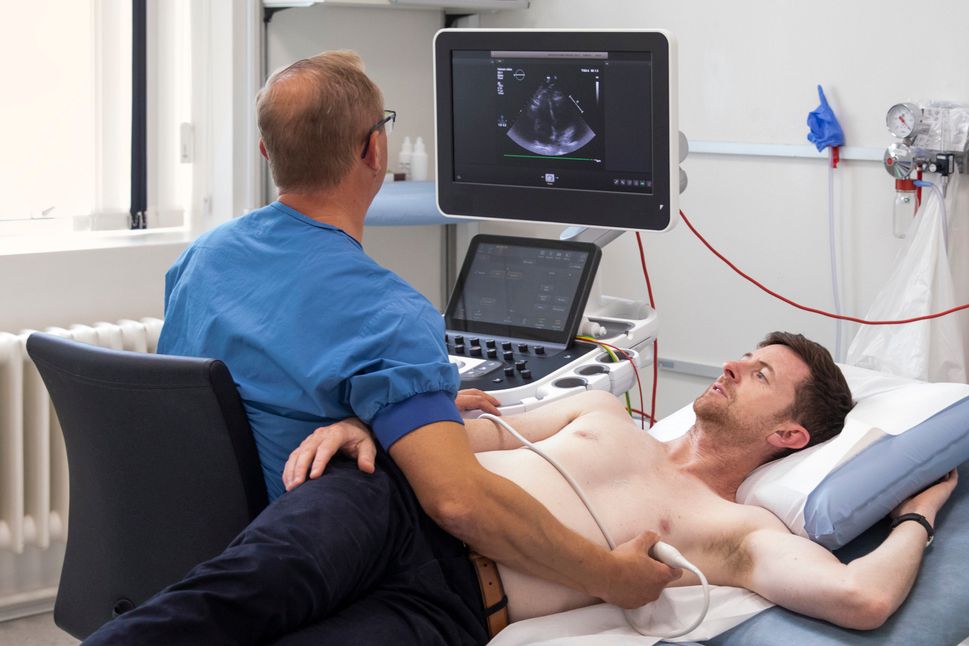
Each cardiac test is intended to answer particular questions about heart health. An echocardiogram uses sound waves to create precise images of the heart and helps evaluate its chambers, valves, and pumping function. This noninvasive test provides information about how well the heart is functioning.
Cardiac catheterization, on the other hand, is a procedure where a thin tube is threaded through a blood vessel to the heart. It allows doctors to identify blockages in the coronary arteries. Blood tests are often used to measure levels of fats, cholesterol, sugars, and proteins, giving insights into risk factors for heart disease.
Interpreting Test Results
After a test, a specialist analyzes the results and compares them to reference ranges to identify abnormalities. An ECG can reveal an irregular, too-fast, or too-slow heart rate, while a stress test may show reduced blood flow during exercise. These interpretations form the basis for a diagnosis and management plan, with multiple tests often used for a complete clinical picture.
Preparing for Testing
Preparation for a cardiac test varies depending on the specific procedure. Some tests, such as a standard ECG, require no special preparation. For others, such as a stress test, you may need to avoid eating, drinking, or smoking beforehand and wear comfortable clothing. For procedures such as cardiac catheterization, instructions will be more detailed. They may include fasting and medication adjustments, so follow all guidelines carefully.
Discussing Results Together
Here’s what to expect during a follow-up appointment to discuss your test results:
- Review of test results: The healthcare provider will explain the findings and what they mean for your overall health.
- Opportunity to ask questions: Take this time to clarify any concerns or uncertainties.
- Discussion of next steps: This could include lifestyle changes, medication, or additional procedures.
- Collaborative approach: Clear communication ensures you and your provider can work together to manage your cardiovascular health.
Explore Cardiology Care
The information gathered from diagnostic procedures is fundamental to the practice of cardiology. These tests provide objective data to guide decisions on treatment and preventive care for heart-related conditions. By working with a medical team, you can better understand your heart condition. Find a specialist to discuss your cardiovascular health and available testing options.
