
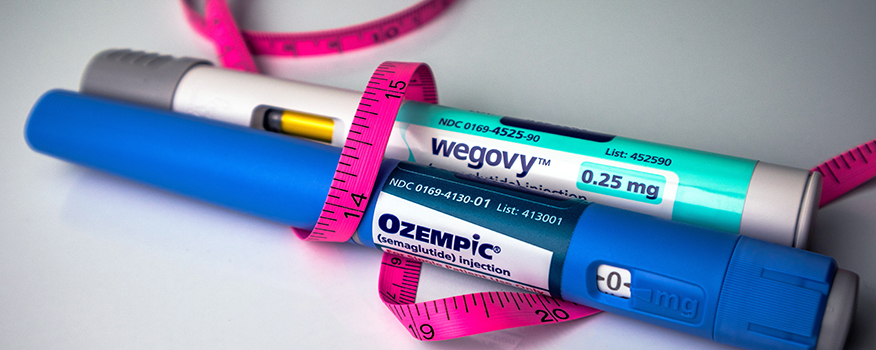
Medical weight loss involves using prescription medications, in conjunction with diet and exercise, to help individuals manage their weight. These medications work through various mechanisms, like suppressing appetite or altering how the body absorbs fat. They are typically prescribed for individuals with a certain body mass index (BMI) or those with weight-related health conditions. As research evolves, new options become available, offering different approaches to weight management under the guidance of a healthcare professional. Here’s information on semaglutide weight loss medications and how they work:
What Is Semaglutide?
Semaglutide belongs to a class of drugs known as glucagon-like peptide-1 (GLP-1) receptor agonists. Initially developed for the management of type 2 diabetes, it helps regulate blood sugar levels. The medication mimics the action of the GLP-1 hormone, which the body naturally releases in the intestine after a meal. Clinical studies have shown a significant impact on weight, leading to its approval for chronic weight management in certain individuals. Semaglutide is an injectable prescription medicine administered on a weekly basis, and it has become a noteworthy tool in medical weight management strategies.
How Does It Work for Weight Loss?
Semaglutide’s influence on weight is multifaceted, affecting appetite and the digestive process. It works by interacting with the parts of the brain that regulate appetite, which can lead to a reduced feeling of hunger and increased feelings of fullness after eating. This can result in a lower overall calorie intake. This medication is not a standalone solution; it is intended to be used alongside a reduced-calorie diet and increased physical activity for the best results.
Slows Digestion
One of the key mechanisms of semaglutide is its effect on gastric emptying, which is the process by which food leaves the stomach. By slowing down this process, the medication helps you feel full for a longer period after meals. This prolonged feeling of satiety can contribute to eating smaller portions and consuming fewer calories throughout the day, supporting gradual weight loss efforts. Semaglutide also directly targets the areas of the brain responsible for appetite control.
Reduces Appetite
Semaglutide enhances feelings of fullness. This reduction in appetite can make it easier to adhere to a calorie-controlled eating plan, which is a fundamental component of any successful weight management program. The medication helps manage hunger signals, but it does not replace the need for mindful eating and healthy lifestyle choices.
Who Can Benefit From It?
Semaglutide is generally recommended for adults who meet specific criteria related to their body weight and health status. It is generally prescribed for individuals with a body mass index (BMI) of 30 or greater, or for those with a BMI of 27 or greater who also have at least one weight-related medical condition, such as:
- High Blood Pressure
- Type 2 Diabetes
- High Cholesterol
It is not intended for cosmetic weight loss or for people who want to lose a small amount of weight. A thorough evaluation by a healthcare provider is necessary to determine if this medication is an appropriate and safe option for an individual’s specific health circumstances.
Contact a Primary Provider About Semaglutide
Navigating weight loss can be challenging, but specialized care is available to support your health goals. A specialist can assess your overall health to determine if you are a suitable candidate. After an evaluation, a specialist will create a comprehensive plan for your specific needs. To learn more about semaglutide, contact a primary care provider today.
