
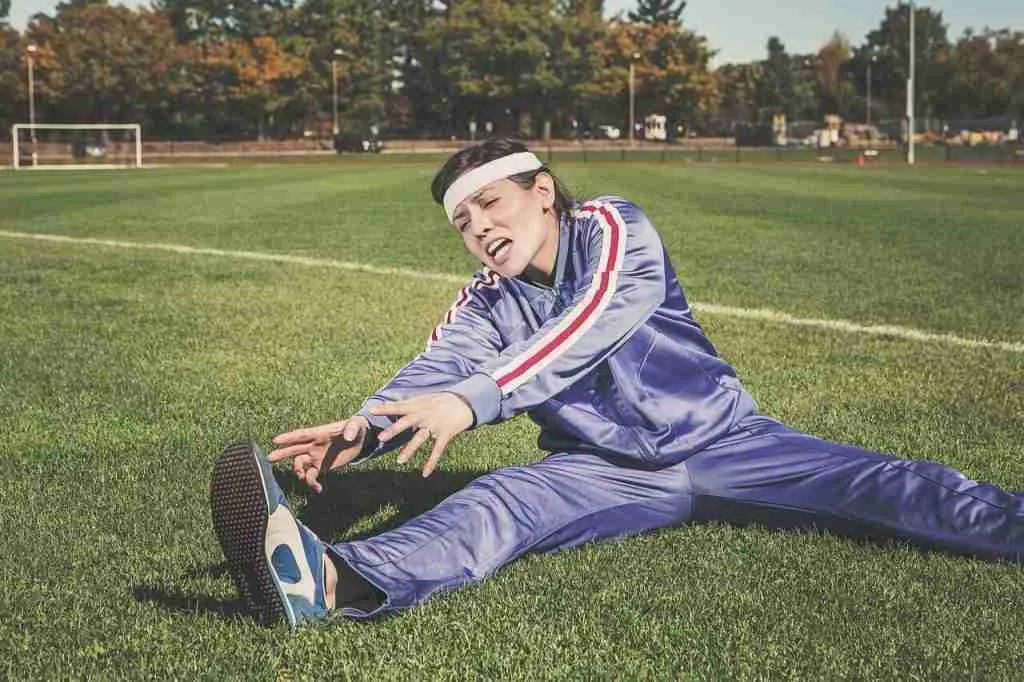
Sports injuries are a regular part of athletic activity, and they range from minor sprains to severe fractures. While many athletes focus on immediate recovery, the long-term consequences of these injuries may be overlooked. An injury heals, but its effects could linger for years, influencing an athlete’s performance and daily life long after they have left the field. Here are some of the long-term impacts of sports injuries on performance:
Causing Chronic Pain
An old injury may become a source of persistent pain. This discomfort appears long after the initial healing period is over, and it can affect your daily activities. If an athlete has completed rehabilitation, the damaged area could remain sensitive. Chronic pain sometimes develops when nerve pathways are altered by the original trauma.
Reducing Mobility
A joint that has been injured might not regain its full range of motion, which limits your flexibility. Mobility loss is a typical outcome of serious sports injuries. A knee injury typically prevents you from squatting fully, and a shoulder injury could limit your arm’s overhead movement.
This happens when scar tissue forms, and it may tighten the surrounding muscles and ligaments. Your athletic performance relies heavily on fluid, unrestricted movement. When mobility is reduced, your body compensates by using other muscles and joints.
This compensation creates imbalanced movement patterns, which potentially lead to new injuries in different areas. Reduced mobility in one joint may also place additional stress on others, creating a chain reaction of physical strain. Improving mobility through targeted stretching, strengthening exercises, and professional guidance can help break this cycle and restore balanced movement patterns.
Decreasing Capabilities
Since athletic capabilities can diminish following a significant injury, a person’s body typically does not function at the same level it once did. The injury may leave behind subtle weaknesses or instabilities. When this happens, these changes can affect your power, speed, and endurance.
Some effects include:
- Lowered explosive strength
- Reduced agility and coordination
- Slower reaction times
These decreases in ability are challenging, and an athlete might find they are no longer able to execute skills with their previous precision. In some cases, this subtle decline in physical function requires a new approach to training and competition.
Accelerating Arthritis
Joint injuries are known to accelerate the development of osteoarthritis. When a joint is damaged, the protective cartilage typically wears away more quickly. The body’s natural healing process may not be enough to restore the joint to its original condition, leaving it vulnerable. This process can begin years before you would normally expect age-related arthritis.
The affected joint becomes stiff and painful, and you notice swelling or a grinding sensation during movement. This premature arthritis makes it difficult to continue participating in high-impact sports. For many, it requires a shift to lower-impact activities to manage symptoms and preserve joint health. Adjusting your physical activities becomes a necessary step to maintain an active lifestyle without constant pain.
Get Treated for Sports Injuries
Ignoring a sports injury or returning to activity too soon can lead to lasting problems, but proper treatment and rehabilitation are key to a healthier outcome. If you are dealing with a past or present sports injury, seeking professional guidance helps you understand your options. Contact a podiatry clinic today to schedule an appointment and learn more about treatment programs.
