
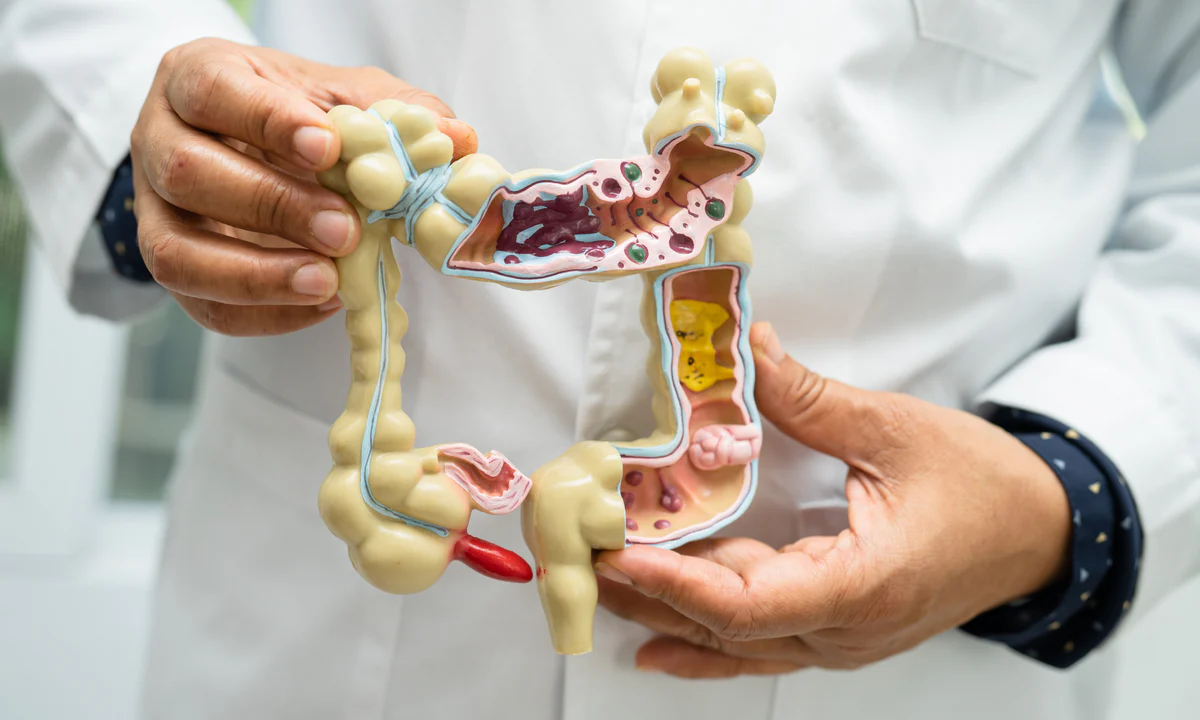
Managing a chronic condition requires a comprehensive approach to health, often involving specialized medical professionals. A gastrointestinal specialist plays a key role in treating disorders of the digestive system, including the esophagus, stomach, intestines, liver, and pancreas. These specialists provide targeted care plans to alleviate symptoms, and they personalize ulcerative colitis treatment.
What Is a Gastrointestinal Specialist?
A gastrointestinal specialist is a physician with advanced training in the management of gastrointestinal diseases, and their training equips them to handle a wide range of conditions, from common issues like acid reflux to complex chronic diseases. One area of focus for these specialists is the management of inflammatory bowel diseases (IBD). They oversee ulcerative colitis treatment, utilizing current medical guidelines to induce and maintain remission.
What Services Do They Offer?
Gastroenterologists offer a broad spectrum of diagnostic and therapeutic services to address digestive health concerns. They perform endoscopic procedures, such as colonoscopies and upper endoscopies, which allow for direct visualization of the intestinal tract. These procedures help detect inflammation, ulcers, and polyps, as these abnormalities may not be visible through external examination or standard imaging.
What Is Ulcerative Colitis?
Ulcerative colitis is a chronic inflammatory bowel disease that causes inflammation and ulcers in the digestive tract. It specifically affects the innermost lining of the large intestine and the rectum. The condition typically develops over time, rather than appearing suddenly, and it can range from mild to severe depending on the extent of inflammation.
Symptoms include diarrhea, often with blood or pus, abdominal pain and cramping, and rectal pain. The inflammation is continuous along the colon, so the symptoms can be persistent and disruptive to daily life. A gastrointestinal specialist uses clinical evaluation, laboratory tests, and endoscopic findings to confirm the diagnosis and distinguish it from other forms of IBD, such as Crohn’s disease.
What Is Ulcerative Colitis Treatment?
The primary goal of ulcerative colitis treatment is to reduce the inflammation that triggers signs and symptoms. In some cases, effective treatment leads to symptom relief and creates long-term remission. Doctors typically start with drug therapy, but surgery may be an option if medications fail to provide adequate relief.
Anti-inflammatory drugs are helpful because they reduce inflammation in the colon lining. If these are ineffective, a specialist may prescribe immunomodulators, which suppress the immune response that causes inflammation. For moderate to severe cases, biologic agents are an additional therapeutic choice. These are targeted therapies that neutralize specific proteins in the body that cause inflammation, and each medication requires careful monitoring to maximize efficacy.
When medication does not control the disease or if precancerous changes are detected, surgery may be necessary. A standard surgical procedure for ulcerative colitis is proctocolectomy with ileal pouch-anal anastomosis (IPAA). This procedure involves removing the entire colon and rectum and creating a pouch from the end of the small intestine. This pouch is then attached directly to the anus, and this allows waste to be expelled normally.
How Is Professional Care Beneficial?
Seeking care from a gastrointestinal specialist provides access to advanced diagnostic tools and specialized treatment options. Their focused expertise allows for the early detection of complications, such as colon cancer risks associated with long-term inflammation. A specialist provides personalized care plans that adapt to the evolving nature of chronic diseases, and they facilitate ongoing monitoring through regular check-ups and diagnostic tests.
Support Your Health Goals Now
Managing ulcerative colitis requires a partnership with a qualified medical professional who understands the digestive system. By working with a gastrointestinal specialist, patients receive tailored treatments that promote healing. Schedule a consultation with a gastroenterologist and support your health goals.
