
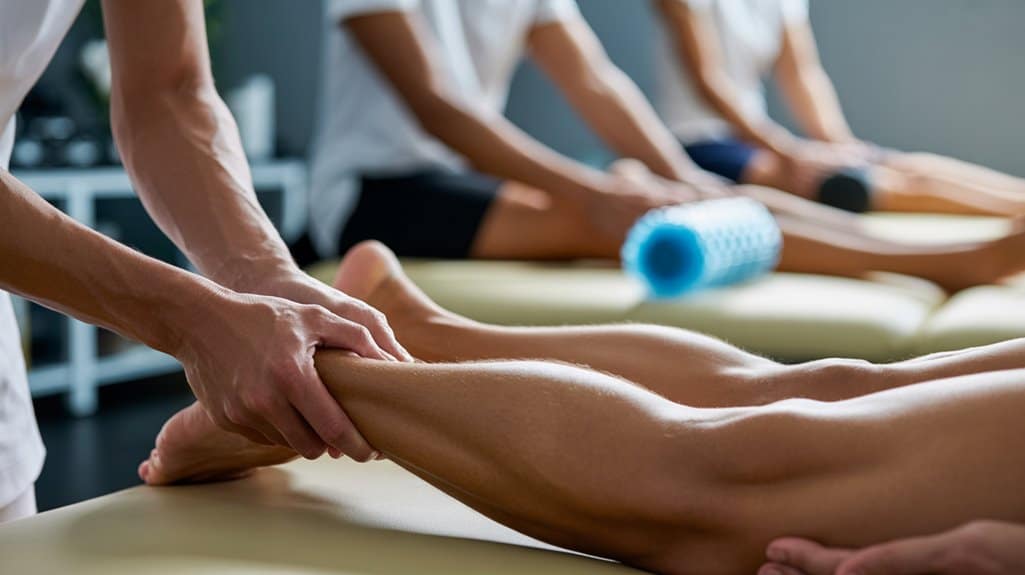
Massage therapy involves the manipulation of the body’s soft tissues, and it can address muscle recovery. Therapists use varying degrees of pressure and movement, so techniques are applied to muscles, tendons, and ligaments. This practice is used by individuals seeking to address physical discomfort and support their body’s natural processes. Here is more information about the benefits of massage therapy for muscle recovery:
Reducing Muscle Tension
After strenuous activity, muscles might feel tight and sore. Massage therapy applies pressure to these muscle groups. This action may help lessen the feeling of tightness, and it allows the muscles to feel more relaxed. Massage encourages a sense of release in the muscle fibers.
Applying targeted pressure to muscle tissue is a primary function of massage. When a therapist works on a specific area, blood flow to that location may increase. This process helps deliver oxygen and nutrients while also carrying away metabolic waste products, and the increase in circulation assists the body’s own systems for muscle repair.
Alleviating Stiffness
Stiffness typically accompanies muscle soreness, limiting your range of motion. Massage therapy works to improve flexibility and reduce this stiffness. The therapist gently stretches and kneads the muscles and connective tissues. This manipulation of soft tissue can help loosen up tight areas, making movement easier and more comfortable for you.
Targeting Trigger Points
Trigger points are specific, hyperirritable spots in the fascia surrounding skeletal muscle. These knots of muscle fiber can be a source of discomfort. Massage therapists are trained to locate these points, and they can apply focused pressure to help release the tension.
A few common areas where trigger points develop include:
- Neck and shoulders
- Lower back
- Gluteal muscles
Addressing these specific points may contribute to a feeling of relief. When the tension in a trigger point is released, the associated discomfort may decrease. This focused work is a distinct component of many massage sessions.
Aiding in Recovery
Your body has its own recovery timeline after exercise. Massage therapy is a tool some people use to support this process. While the body naturally repairs muscle damage from workouts, massage introduces mechanical pressure that may influence the tissues.
This external manipulation can help with fluid movement within the muscle tissue. The process of applying pressure and then releasing it may assist the lymphatic system. The lymphatic system plays a part in removing waste and reducing swelling.
Some forms of massage are specifically designed for post-activity application. A trained therapist can adjust the technique based on when you exercised and what kind of activity you did. They will modify the pressure and strokes to align with your body’s current state, providing a customized approach to support your recovery efforts.
Schedule Massage Therapy Sessions
Incorporating massage into your routine is a practical step you can take to help alleviate symptoms and aid in recovery. Scheduling sessions consistently allows you to experience the potential effects on your muscle recovery over time. If you are ready to see how massage therapy might fit into your wellness plan, book an appointment with a licensed massage therapist or chiropractor today.
