
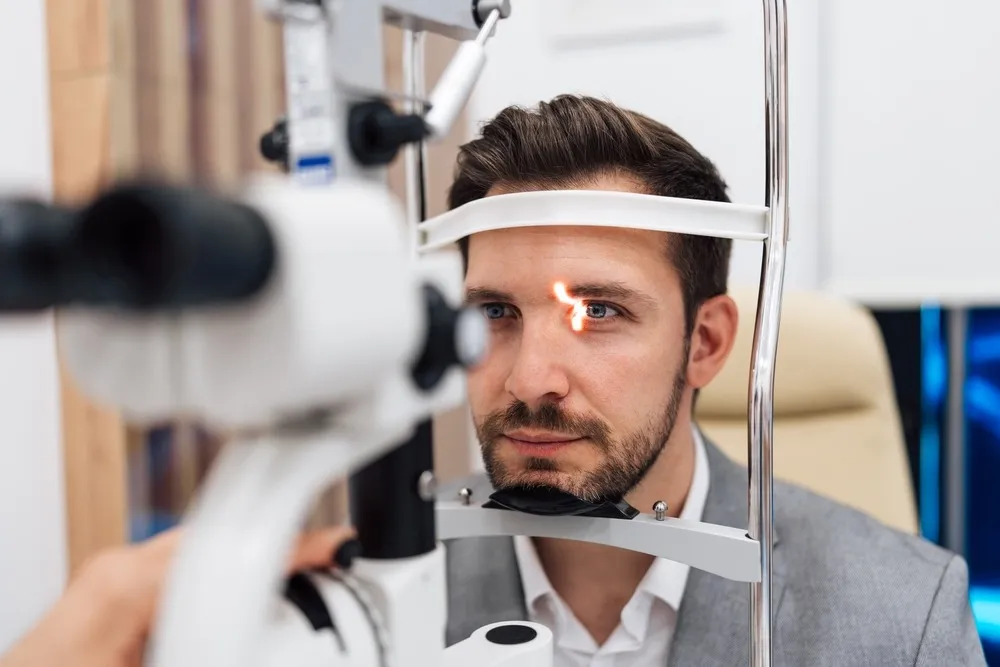
Some people assume their vision is fine if they can see clearly. You might not notice subtle changes in your eyesight, but an eye doctor can detect them. A comprehensive eye exam checks your overall eye health and identifies potential problems. Because this proactive approach helps preserve your vision, it’s smart to schedule these appointments regularly.
Detecting Silent Conditions Early
Some eye diseases develop slowly without causing immediate pain or blurry vision. Glaucoma is a prime example of a silent condition, but early detection through screenings helps prevent more damage. Macular degeneration is another condition that may not show symptoms right away, and high blood pressure complications can occur without any initial pain. Your eye doctor measures your eye pressure during an exam and examines the optic nerve for any signs of trouble. Imaging tests visualize the layers of your retina. This process is quick and painless. If the doctor finds an issue early, treatments can slow progression or even stop vision loss. They also monitor changes over time using photographs of your retina or visual field tests. Regular monitoring keeps your eyes healthy.
Managing Age-Related Changes
Our eyes naturally change as we get older. You may eventually need reading glasses, but other age-related conditions may require more than just corrective lenses. Cataract development is common in older adults, and macular degeneration is another concern that affects central vision over time. A comprehensive eye exam tracks these changes, so your doctor can recommend lifestyle adjustments or specific treatments. Your doctor may suggest nutritional supplements if they notice early signs of macular degeneration, because certain vitamins support retinal health. Staying ahead of these natural shifts helps you maintain your independence, because they keep you engaged in the activities you enjoy. Your doctor provides practical strategies you can integrate into your daily life.
Using Eye Exams
A simple vision screening is not the same as a comprehensive exam. Screenings briefly check your visual acuity, but a comprehensive exam thoroughly evaluates the internal and external health of your eyes. A basic screening might take only a few minutes, and it often misses early warning signs that a more detailed exam can catch. The doctor dilates your pupils to examine the retina to spot conditions such as diabetic retinopathy or retinal detachment. Specialized equipment measures the health of your eye’s structures, checks for underlying medical conditions, and assesses your risk for future vision changes. Because these conditions may lead to permanent vision loss, do not ignore them.
A comprehensive exam also identifies other concerns, such as eye infections or hidden injuries. By choosing a full exam, you gain a complete picture of your health, enabling you to make informed decisions about your care. Regular comprehensive exams are recommended. Regular eye exams help maintain overall health, and they may prevent future complications. Early detection of conditions such as glaucoma, diabetic retinopathy, or macular degeneration can make a difference in treatment outcomes.
Take Action for Your Vision
Protecting your eyesight requires consistent effort. Schedule an appointment soon if you haven’t seen an eye doctor in over a year. Early intervention is the best defense against vision loss, and comprehensive eye exams provide the insight needed to keep your eyes healthy. Take control of your ocular health today. Your vision is a valuable part of your life, so treat it with the care and attention it deserves.
