
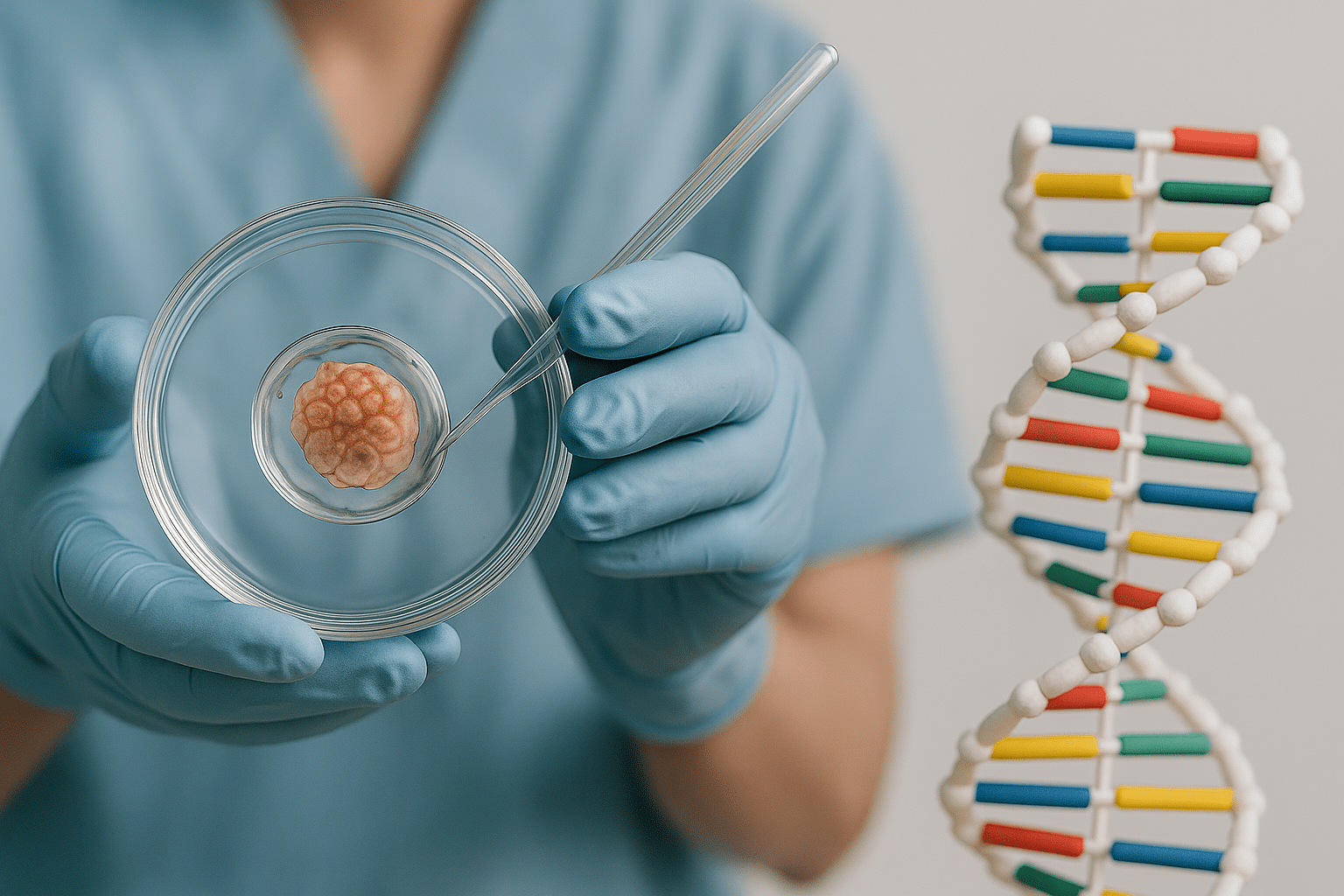
In vitro fertilization (IVF) is a complex series of procedures used to help with fertility or prevent genetic problems and assist with the conception of a child. For individuals and couples facing infertility, understanding the factors that influence success rates is beneficial. One key factor is preconception health; this refers to the health of potential parents before pregnancy. Here is more information on IVF and the role of preconception health in improving outcomes:
What Is IVF?
IVF is an assisted reproductive technology (ART), and it involves an egg being fertilized by sperm outside the body. The process involves monitoring and stimulating a woman’s ovulatory process, removing an ovum or ova (egg or eggs) from her ovaries, and letting sperm fertilize them in a liquid in a laboratory. The fertilized egg (zygote) undergoes embryo culture, then is transferred to the same or another woman’s uterus to establish a successful pregnancy.
How Does It Work?
In vitro fertilization typically involves several steps, beginning with ovarian stimulation. Hormones are administered to stimulate the ovaries to produce multiple eggs, rather than the single egg that typically develops each month. Multiple eggs are needed because some eggs will not fertilize or develop normally after fertilization.
Once the follicles are ready, a minor surgical procedure is performed to retrieve the eggs. Sperm is then provided by the partner or a donor, and the eggs and sperm are combined in a laboratory dish to encourage fertilization. After fertilization, the embryos are monitored for development, and one or more are selected for transfer into the uterus.
What Is Preconception Health?
Preconception health focuses on the health of men and women during their reproductive years, when they can have children. It focuses on taking steps now to protect the health of a baby they may have in the future. For patients evaluating IVF, this stage allows for the identification and management of risk factors that may affect pregnancy outcomes. Addressing health issues before conception can prevent complications during pregnancy and delivery, and it helps to improve overall wellness.
What Does It Involve?
Preconception health involves a thorough assessment of medical history, lifestyle factors, and current health status. A healthcare provider will review any chronic conditions, such as diabetes or hypertension, and they will make sure they are under control before treatment begins. Medications and supplements currently being taken are also evaluated for safety during pregnancy.
Lifestyle modifications play a central role in preconception health. This may include achieving a healthy weight, quitting smoking, and avoiding alcohol and illicit drugs. Nutritional intake may be assessed, and folic acid supplementation is typically recommended to prevent neural tube defects. Screening for genetic conditions may also be conducted to inform treatment decisions.
How Is Professional Guidance Beneficial?
Consulting with a healthcare provider allows for a personalized plan based on individual health needs. A specialist can identify areas for improvement that a patient is unaware of, such as hormonal imbalances or nutritional deficiencies. This targeted approach efficiently addresses modifiable risk factors, and it improves overall health. Regular monitoring and adjustments to the health plan can be made as needed to improve fertility.
Consult a Specialist Now
Optimizing preconception health helps improve IVF outcomes. By addressing medical and lifestyle factors before treatment, patients can create a favorable environment for pregnancy. Consulting a fertility specialist provides the expertise to develop a comprehensive plan tailored to individual needs, so schedule an appointment today.
