
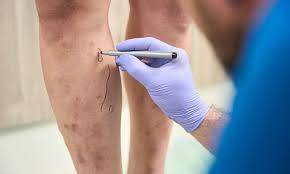
Varicose veins are enlarged, twisted veins, and they may appear dark blue or purple on the legs and feet. These veins develop when small valves inside the veins stop working properly, which allows blood to flow backward and pool. While often a cosmetic issue, they signal an underlying circulatory problem that requires medical attention. Here is more information on how to talk to your doctor about this condition:
List Symptoms
Articulate your symptoms, and explain exactly what physical sensations you experience on a daily basis. Pain, heaviness, or aching in the legs are indicators that the condition has progressed beyond a visual concern. If the veins cause functional limitations in your life, a doctor needs this information.
Gather Medical History
Your family history plays a significant role in vascular health, and you must share these details with your provider. If your parents or siblings have struggled with vein issues, you may have a risk of developing them yourself. The doctor will use this genetic context to accurately assess your risk factors.
Past medical events also influence current vein health. Pregnancy may increase blood volume and pressure on leg veins, which sometimes leads to lasting damage. Explain if you undergone any previous surgeries or experienced deep vein thrombosis in the past. These factors change how a specialist approaches your diagnosis and subsequent care plan.
Bring a complete list of current medications and supplements to your appointment. Certain drugs affect blood clotting or circulation, and this information prevents potential complications during treatment. The doctor will review your regimen to make sure any proposed procedure aligns safely with your other health needs. Transparency about your lifestyle and medical background allows for a safer evaluation process.
Discuss Treatment Options
Modern medicine offers several minimally invasive techniques to address problematic veins. Sclerotherapy involves injecting a solution directly into the vein, and this causes it to collapse and eventually fade away. Physicians may recommend this method for smaller varicose veins near the surface. You will want to ask which specific procedure suits your anatomy best.
For larger or more complex veins, doctors frequently utilize thermal ablation or medical adhesives. Endovenous ablation uses heat energy from a laser or radiofrequency waves to close the vein from the inside. Medical glues seal the vein and aim to shut permanently without the need for heat or tumescent anesthesia. Understanding the mechanics of each option helps you make an informed decision about your care.
Describe Severity
Communicating the severity of your condition helps the doctor prioritize your treatment plan. You might mention skin changes, such as discoloration or hardening, which indicate advanced venous insufficiency. Ulcers or open sores near the ankle represent a serious complication that demands immediate medical intervention.
Report these specific signs if they apply to you:
- Swelling in the lower legs or ankles
- Itching around one or more of your veins
- Bleeding from a varicose vein
Get Treated for Varicose Veins
Seeking professional help is the first step toward managing this progressive vascular condition. Varicose veins do not improve on their own, but effective medical interventions exist to resolve the underlying issue. When you address the problem early, you prevent further complications and improve your overall leg health. Schedule a consultation with a vein specialist today to start the process.
