
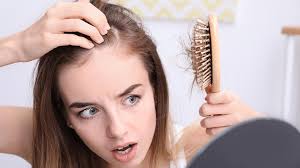
Hair loss can be influenced by a range of factors, including genetics, hormonal changes, and medical conditions, but stress is also a contributor. When stress levels remain high or the body experiences a significant physical or emotional strain, normal hair growth cycles can be disrupted, leading to increased shedding or noticeable thinning over time. Here’s more information on how stress leads to hair thinning:
Exploring Stress and Hair Loss
The body responds to intense pressure by releasing the hormone cortisol. While cortisol is helpful for managing immediate threats, chronically high levels can disrupt normal bodily functions. Elevated cortisol can signal the hair follicles to shift from the growth phase (anagen) to the resting phase (telogen). Once a follicle enters the resting phase, it stops producing new hair strands. This results in a visible reduction in hair volume, often referred to as hair loss.
Recognizing Hair Thinning Patterns
Stress manifests in hair in several ways. Identifying which pattern you are experiencing can be a helpful first step in seeking treatment. Here are the ways stress-related hair loss presents:
- Telogen Effluvium: This typically occurs about three months after a major shock or stressful event. Large numbers of hair follicles are pushed into the resting phase, causing diffuse thinning across the scalp.
- Trichotillomania: This is a psychological condition where individuals feel an irresistible urge to pull out their hair. It is often a coping mechanism for dealing with negative emotions like anxiety, tension, or loneliness.
- Alopecia Areata: In this condition, the body’s immune system attacks the hair follicles, causing hair to fall out in round patches. While genetics play a role, severe stress is a known trigger for flare-ups.
Understanding these common stress-related patterns allows individuals to recognize early signs and seek appropriate interventions to mitigate further hair thinning.
Identifying The Trigger
Determining the root cause of hair thinning can be difficult, but timing is often a key indicator. Stress-induced shedding doesn’t occur immediately; it often manifests three to six months after a significant event. Another sign is the distribution of the hair loss. Unlike genetic male or female pattern baldness, which often follows a receding hairline or thinning crown, stress-related shedding is usually diffuse. You may notice your ponytail feels thinner or that you are shedding more hair than usual when brushing.
Make sure to monitor your other physical symptoms as well. If your hair issues are accompanied by fatigue, changes in appetite, or sleep disturbances, stress is a likely culprit. It is always better to consult a medical professional to rule out other underlying health issues like thyroid imbalances or nutritional deficiencies.
Treating Hair Loss
Managing stress is the most effective way to treat stress-related hair loss. Once your stress levels return to normal, your hair cycle will typically resume its natural rhythm. Techniques such as meditation, regular exercise, and adequate sleep can help lower cortisol levels and support overall health.
Diet also plays a fundamental role in hair recovery. Eating a balanced diet rich in vitamins and minerals supports hair strength. Supplements can be beneficial, but it is best to obtain nutrients from whole foods such as leafy greens, nuts, and fish whenever possible. For individuals seeking medical intervention, treatments such as minoxidil or platelet-rich plasma (PRP) therapy are often used to stimulate growth. Consult a specialist to help you determine the best course of action for your situation.
Book Your Hair Loss Appointment
Stress-induced hair loss is often temporary, but it is often distressing while it lasts. Addressing underlying stress and providing your body with the support it needs can promote regrowth and restore hair volume. If you are concerned about persistent shedding, professional guidance can clarify the situation and provide effective treatment options. Contact a qualified hair restoration specialist to book your appointment today.
