
Immediate care services provide timely medical attention for non-life-threatening illnesses and injuries when a primary care appointment is not readily available. Dealing with a pressing health concern that requires immediate attention can be easier when you understand what to expect. Here is more information on what to expect during your visit for immediate care:
Preparing for Care
Determining whether a medical situation requires immediate care or emergency services is a fundamental step. Urgent care centers treat acute illnesses and injuries, including sprains, minor fractures, sore throats, and urinary tract infections. Life-threatening symptoms such as severe chest pain or difficulty breathing require the advanced resources of a hospital emergency department.
Once the decision is made to seek immediate care, proper preparation can streamline the administrative aspect of the visit. Patients should bring a valid form of identification and a current insurance card before leaving home, as these are required for registration. It is also helpful to bring a written list of current medications, known allergies, and a brief medical history. This assists the clinical staff in checking for drug interactions and understanding the patient’s background.
Checking In
Upon arrival at the facility, the administrative staff initiates the registration process to establish the patient’s presence in the system. Here’s what you can expect:
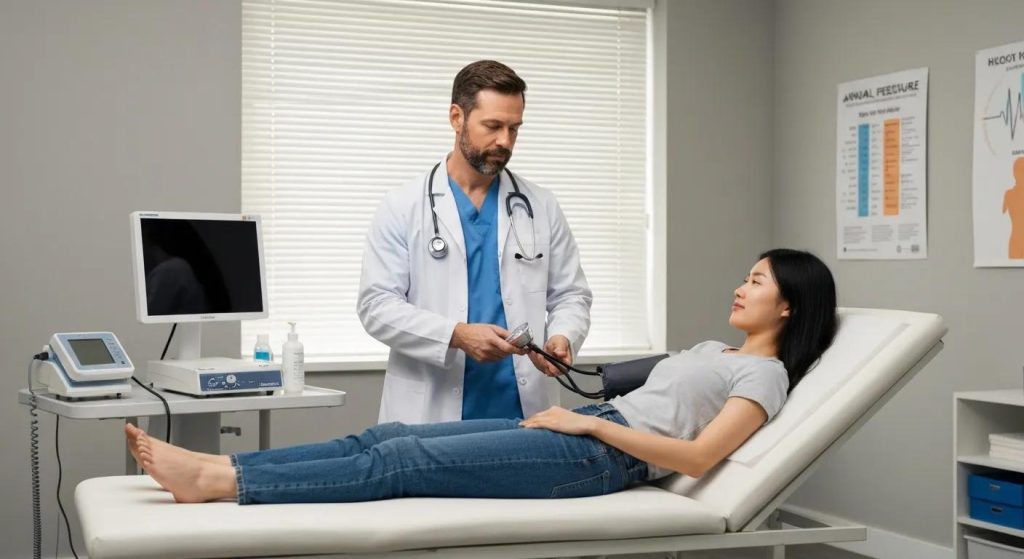
- Clinical staff measure baseline health signs, including blood pressure, body temperature, heart rate, and oxygen saturation, to assess current stability.
- The provider or medical assistant documents the top complaint and reviews the history of the present illness to determine the primary reason for the visit.
- Medical personnel evaluate the severity of the reported symptoms to determine the order in which patients receive care.
- The staff updates the patient’s medical record with current information regarding allergies and medication usage to prevent adverse reactions during treatment.
Completing Exams and Tests
Once placed in an examination room, a provider conducts a comprehensive physical evaluation. This focuses on the specific symptoms reported during triage and involves a hands-on assessment of the affected body systems. The provider uses this time to ask detailed questions about the duration and progression of symptoms to narrow down potential diagnoses.
Diagnostic testing often accompanies the physical examination to obtain objective data on the patient’s condition. If a patient suspects a bone fracture or joint injury, the provider may order X-ray imaging to obtain immediate visual confirmation of the trauma. Laboratory tests are also a common component of an immediate care visit. Rapid tests for conditions such as strep throat, influenza, or COVID-19 provide rapid results that inform immediate treatment decisions. These diagnostic tools allow the provider to formulate an accurate diagnosis based on evidence.
Reviewing Results
After the examination and any necessary testing are concluded, the provider reviews the findings directly with the patient. Here’s what patients can expect:
- The provider electronically sends prescriptions for antibiotics, pain management, or other necessary medications to the patient’s preferred pharmacy for pickup.
- Clinical staff provide written discharge instructions that detail specific home care, activity restrictions, and warning signs that may require a return visit.
- The medical team advises on necessary follow-up appointments with a primary care physician or a specialist if the condition requires ongoing monitoring or advanced intervention.
- Staff members make sure the patient has copies of any test results or referral documents needed for continuity of care with other medical providers.
Patients leave the facility with a clear understanding of their medical status and the specific steps needed to restore their health.
Schedule Your Immediate Care Appointment
Immediate care facilities play a key role in the healthcare continuum by providing accessible treatment for non-emergency conditions. The process delivers efficient assessment, diagnosis, and treatment within a single visit. Contact a reputable urgent care center near you to schedule your immediate care appointment today.
