
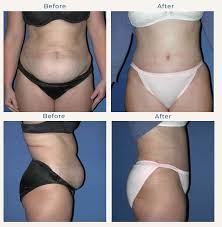
A tummy tuck, or abdominoplasty, is a surgical procedure that addresses excess skin and fat in the abdominal area, and it also tightens the underlying abdominal muscles. Many people want this procedure after significant weight loss, either through diet and exercise or bariatric surgery. The connection is straightforward: while a tummy tuck is not a weight-loss tool in itself, it helps contour the body after weight has already been lost. Understanding this relationship is key to setting realistic expectations.
Intentions for a Tummy Tuck
The primary goal of an abdominoplasty is to improve the shape and tone of the abdominal area. After substantial weight loss, pregnancy, or aging, the skin can lose its elasticity, and it may not shrink back to the body’s new size. This can leave behind loose, sagging skin. Designed to yield a flatter, firmer abdominal profile, an abdominoplasty removes excess skin.
During the procedure, a surgeon may also repair weakened or separated abdominal muscles, a condition known as diastasis recti. This further contributes to a smoother and more toned midsection. The focus is on contouring and reshaping the abdomen, not on removing large amounts of fat; candidates for this surgery are typically close to their ideal body weight but may be concerned with the appearance of loose skin.
Weight Loss After Surgery
Patients often have questions about how much weight they can expect to lose from the procedure itself. The answer varies and can be divided into immediate and long-term results. Several factors influence this outcome, including the amount of excess skin and tissue removed and each person’s unique body composition. It’s significant for patients to understand that weight changes will differ for everyone, and setting realistic expectations is part of the preparation.
Immediate
The weight removed during a tummy tuck is the excess skin and fat tissue removed from the abdomen; this amount can vary, depending on the individual’s situation. Patients should not view this as a form of weight loss but rather as a byproduct of the body-contouring process. The most noticeable change will be in the shape and firmness of the stomach, not the number on the scale.
Long-Term
An abdominoplasty can provide a motivational boost for maintaining a healthy lifestyle. Many patients find it easier to exercise after excess skin is removed, and they are often more motivated to protect their surgical results. Maintaining a stable weight through a balanced diet and regular physical activity helps preserve the surgical outcome. Significant weight fluctuations after a tummy tuck may stretch the remaining skin, compromising the aesthetic results. Long-term success is closely tied to a patient’s commitment to a healthy lifestyle.
Procedures Combined for Weight Loss
In some cases, a tummy tuck may be combined with other procedures. Liposuction is often performed in combination with an abdominoplasty to further refine the body’s contours. The tummy tuck addresses loose skin and muscles, and liposuction targets and removes localized fat deposits. This combination can produce a more comprehensive result for the midsection, flanks, and back. A surgeon may determine if combining procedures is appropriate for a patient’s specific goals.
Ask a Specialist Today
Understanding the purpose of a tummy tuck is key to achieving a satisfactory outcome. This procedure is intended for body contouring after weight loss, not as a method for losing weight. If you have questions about whether a tummy tuck is right for you, the next step is to consult with a qualified professional. A board-certified plastic surgeon can evaluate your individual circumstances, listen to your goals, and provide personalized guidance. They can help you understand the procedure, the recovery process, and what you may realistically expect from the results, and they can answer any questions you may have.
