
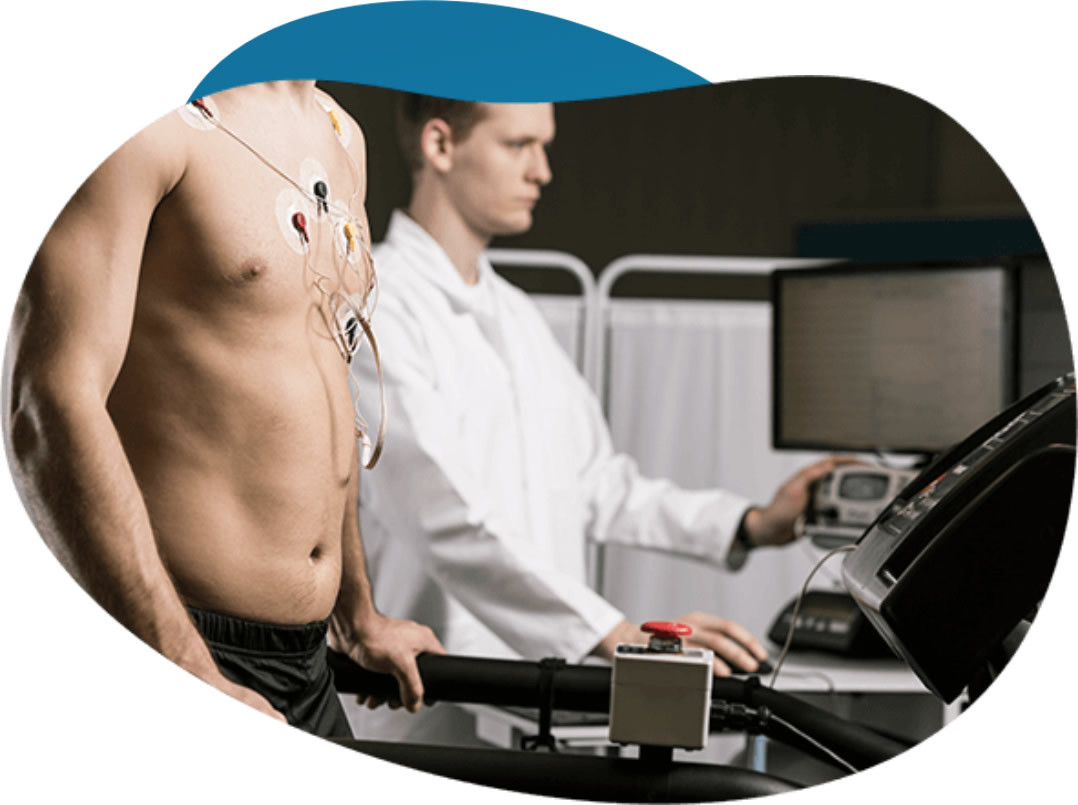
If your doctor has ordered nuclear stress testing, it may be to check your heart health. This test measures blood flow to your heart muscle at rest and during stress. It provides valuable information, and knowing what to expect can help you prepare properly. Because the test involves multiple steps, you should plan to be at the clinic for most of the morning or afternoon.
Preparing for Nuclear Stress Testing
Preparation is key to a successful nuclear stress test, so follow your doctor’s instructions closely. You may need to stop eating or drinking for several hours before your appointment arrives. Some medications might need to be paused, but do this only if your doctor specifically advises it. Wear comfortable clothes and walking shoes, as you will be exercising on a treadmill during one part of the test. When you are comfortable, the test may be easier to perform, and the technician’s results are often more accurate. Caffeine interferes with the results. Avoid coffee, tea, and soda beforehand.
Resting Phase
The test begins with an intravenous line (IV) placed in your arm or hand. A technician injects a small amount of radioactive tracer, and then you wait for it to circulate. This tracer highlights blood flow in your heart. It should not make you feel different or cause side effects. You will lie still on a table, and a special camera will take the first set of pictures of your heart. Remaining still is recommended because movement blurs the images and makes them hard to read. The camera rotates around you. It never touches your body, so you have plenty of space. This resting scan provides a baseline.
During the Stress Phase
After the resting scan, you move to the exercise portion of the exam. A technician attaches electrodes to your chest, and these sticky patches connect to an electrocardiogram (EKG) monitor. The electrodes pick up electrical activity in your heart. They send it to the EKG machine for the doctor to see. This monitoring keeps you safe. It tracks how your heart responds to the physical work you are about to do. You start walking on the treadmill, following the medical staff’s instructions on how fast to walk. The team will guide you through each pace adjustment. They make you feel comfortable as you go. You increase your speed gradually until your heartbeat reaches the rate set by your provider for the test.
After the exercise phase, you will have a cooling-down period to let your heart rate return to normal. Once you are ready, you will lie under the camera again. It will take a second set of images. This comparison shows how well blood flows when your heart is working hard. It also shows how it flows at rest. The radioactive tracer leaves your body naturally, and drinking plenty of water helps flush it out. Usually, you return to normal activities, unless your doctor tells you otherwise based on your specific medical condition.
Make an Appointment Today
Schedule your appointment for your upcoming nuclear stress test. Because your team is here to help, they can answer your questions before you start. Understanding your heart health matters. Call your provider today and speak with a specialist about your care plan.
