
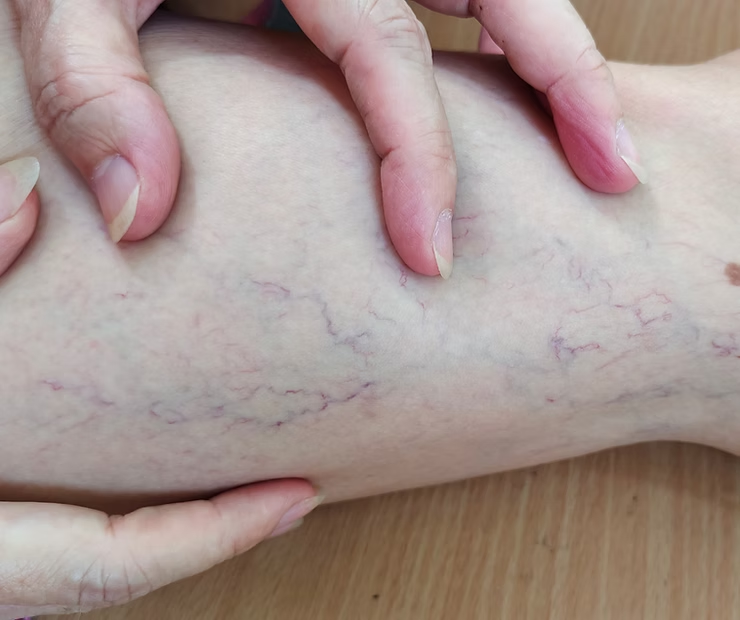
When veins become visible on the surface of the skin, they can be a source of concern for many individuals. A variety of professional vein treatments are available to address these conditions. These procedures are designed to reduce the visibility of the veins and alleviate associated symptoms.
What Are Varicose Veins?
Varicose veins are enlarged and swollen veins that bulge from the skin’s surface. These veins develop when the small valves inside them become weak or damaged, which causes blood to pool and the veins to expand. This condition, known as venous insufficiency, prevents blood from flowing efficiently back to the heart.
While varicose veins can appear anywhere on the body, they most commonly affect the legs and feet. The pressure of standing and walking upright increases the strain on the veins in the lower body, which can make them more susceptible. Individuals with varicose veins may experience symptoms such as an achy or heavy feeling in the legs. In some cases, the skin over the varicose vein may become discolored or irritated.
What Are Spider Veins?
Spider veins, medically known as telangiectasias, are smaller, damaged veins that can appear on the surface of the skin. They get their name from their web-like appearance, with short, fine lines spreading out from a central point. These veins can be red, purple, or blue. Unlike the larger, bulging varicose veins, spider veins are typically flat against the skin and do not protrude.
These smaller veins can develop on any part of the body, but they are most frequently found on the legs and face. When they appear on the face, they are often located on the nose, cheeks, or chin. Spider veins are generally a cosmetic concern and rarely cause the physical discomfort associated with varicose veins. They occur when tiny blood vessels just beneath the skin’s surface become dilated.
What Vein Treatments Are Available?
Several professional procedures exist to address both spider and varicose veins. These vein treatments are performed by specialists who can recommend a suitable approach based on an individual’s specific condition. One common treatment is sclerotherapy. During this procedure, a dermatologist injects a solution directly into the affected vein. The solution irritates the lining of the blood vessel, which causes it to collapse and stick together. Sclerotherapy is often used for both spider veins and smaller varicose veins.
Laser therapy is another widely used option, particularly for spider veins and small varicose veins. This non-invasive technique uses a focused beam of light to heat and destroy the targeted vein. The heat damages the vein, which then collapses and is absorbed by the body. Different types of lasers can be used depending on the size and location of the vein.
Seek Professional Dermatology Treatments
Consulting with a qualified dermatologist is the proper course of action. These medical professionals can perform a thorough examination and discuss the full range of available treatment options. They will help you understand the benefits and details of each procedure, enabling you to make an informed decision about your care.
