
Foot discomfort often starts small, but it can gradually affect how you walk and move throughout the day. Bunions are a common structural change at the base of the big toe that can worsen over time, leading to persistent pain and difficulty finding comfortable footwear. Here’s more information on how to recognize symptoms of bunions and when to seek help:
Identifying Early Shifts
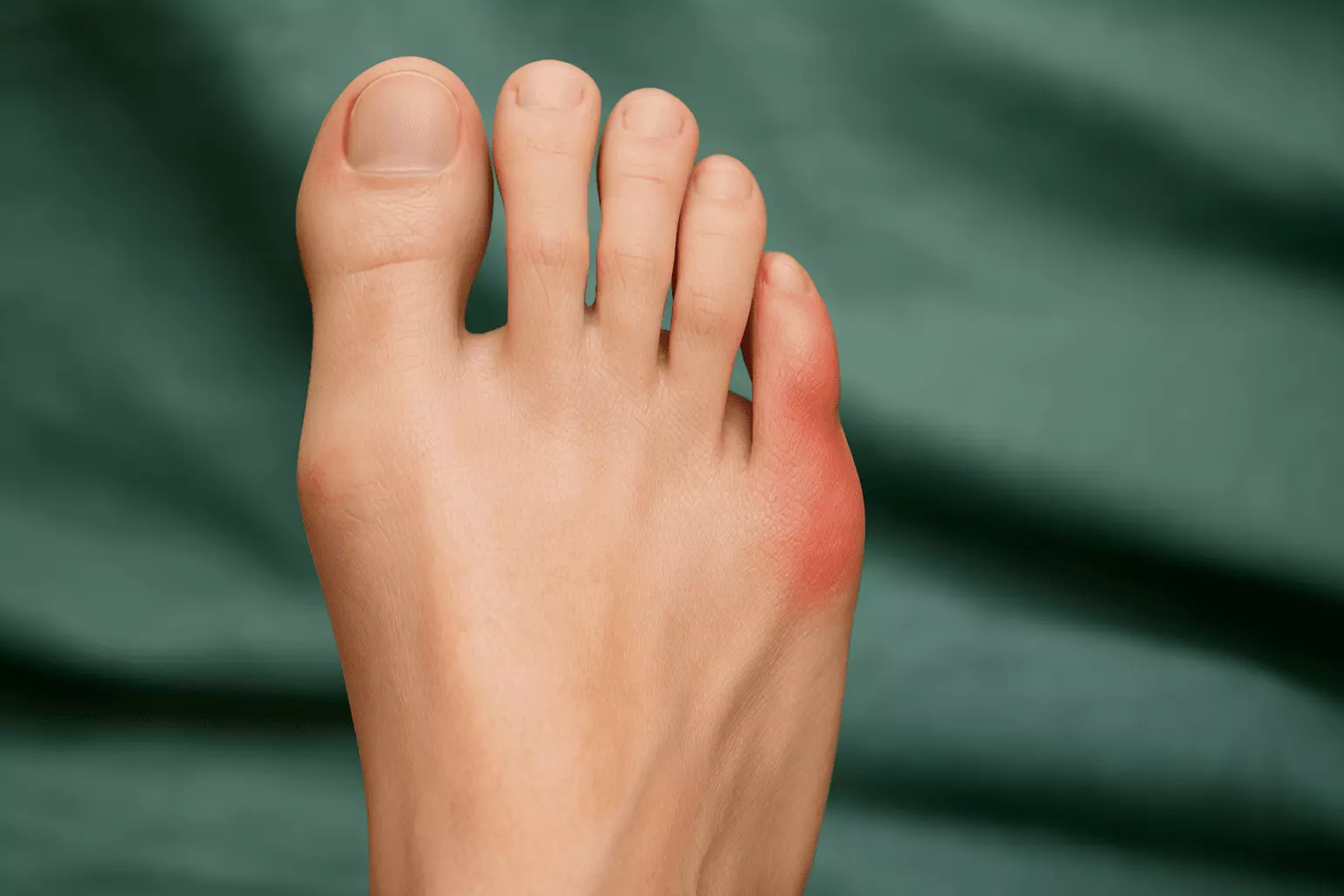
The first indication of bunions is often visual rather than painful. You may notice a subtle change in the silhouette of your foot before you feel any discomfort. The most distinct sign is a bump developing on the joint at the base of the big toe, which forms because the bone is pushing outward against the skin as the toe angles inward. The big toe may also begin to lean toward the second toe, or it may slightly overlap with it. This shifting happens gradually, so it is helpful to inspect your feet regularly if you suspect changes. You may also observe that your shoes feel tighter around the widest part of your foot, even though your shoe size has not changed.
Detecting Worsening Signs
As the condition progresses, symptoms shift from visual changes to physical sensations that affect daily life. Monitor your feet for these specific developments that indicate bunions are progressing:
- Redness and inflammation increase: The skin over the bunion may become red, warm, and swollen.
- Corns and calluses develop: Thickened skin often forms where the first and second toes rub against each other or where the bunion rubs against the shoe.
- Toe movement becomes restricted: You may find it difficult to bend or straighten the big toe.
- Pain becomes frequent or constant. You may experience soreness or sharp pain at the site of the bunion that persists even after you take off your shoes.
These symptoms suggest that bunions are no longer a cosmetic concern but a functional problem.
Trying Home Remedies
There are several conservative measures you can try at home to manage the symptoms of bunions. Switching to shoes with a wide toe box gives your toes plenty of room to spread out naturally; this reduces the pressure that forces the big toe inward and irritates the bunion. You can also use protective aids to shield the foot. Pads or gel-filled cushions can be placed over the bunion to prevent rubbing against the inside of the shoe. Make sure your shoes have adequate arch support, or use orthotic inserts to distribute weight evenly across the foot.
Knowing When To Get Help
If conservative treatments fail to provide relief, or if the pain interferes with your daily activities, it is time to see a specialist. Here’s what you can expect from a foot and ankle specialist:
- Diagnostic imaging is performed: The doctor may order X-rays to view the bone structure and determine the severity of the angle.
- Surgical options are evaluated: The specialist determines if removing excess bone or tissue is sufficient to realign the joint.
- Bone fusion is reviewed: For severe instability, the doctor may recommend fusing specific bones to prevent the deformity from returning.
- Realignment procedures are planned: The specialist creates a plan to cut and shift the bones into a straighter position to restore proper function.
Make sure to ask questions about the expected recovery time for each option during your consultation.
Book Your Bunions Evaluation Today
Bunions are a progressive condition that can lead to significant pain and mobility issues if left untreated. Recognizing early signs, such as the shifting of the big toe or the formation of a bump, is fundamental to managing foot health. While changing shoes and using pads can help, persistent pain signals the need for professional care. Contact a foot and ankle specialist near you to book your bunions appointment today.
