
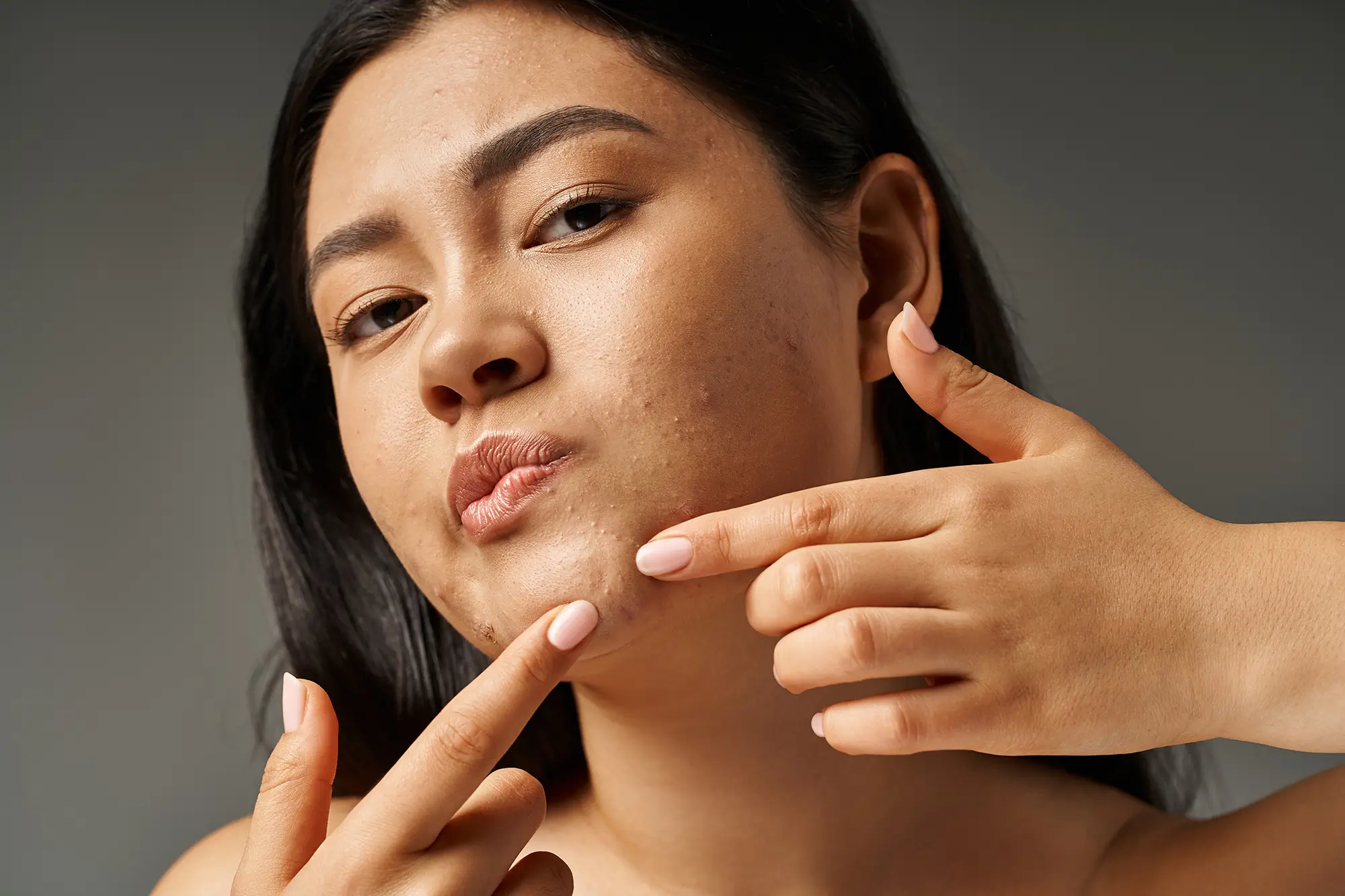
Acne is a common dermatological condition, and there may be a correlation between dietary habits and skin health. Understanding these connections helps patients make informed decisions about their dermatological care. Here is more information on the physiological mechanisms behind acne formation and what acne treatment involves:
What Is Acne?
Acne is a chronic inflammatory disorder of the hair follicles and oil glands. It manifests when these follicles become obstructed by an accumulation of sebum and skin cells. This obstruction creates an environment that allows bacteria to proliferate, and this leads to localized inflammation.
The condition most commonly presents on the face, chest, and upper back, and this is due to the high density of oil glands in these regions. Effective acne treatment requires an accurate diagnosis to distinguish it from other skin disorders, such as rosacea or folliculitis. Dermatologists categorize the condition based on the type of lesions present and the severity of the inflammation.
What Causes It?
Primary factors in acne development include excess sebum production and inflammation. Hormonal fluctuations often drive these processes, and this explains why the condition is prevalent during puberty, pregnancy, and the menstrual cycle. Androgens stimulate the glands to enlarge and produce more sebum, creating an environment conducive to acne. Genetics also plays a role in determining an individual’s susceptibility to the condition.
What Are the Symptoms?
Clinical presentation varies depending on the severity and type of acne lesions. Non-inflammatory lesions include whiteheads and blackheads. Inflammatory lesions appear as papules or pustules, and these indicate a more significant immune response within the follicle.
In severe cases, patients may develop nodules or cysts deep within the dermis. Nodules are large, solid, and painful lumps beneath the surface of the skin. Cysts are painful, pus-filled lesions that carry a risk of permanent scarring, so early medical intervention is typically advised for this presentation.
How Does Diet Affect Acne?
There may be a link between high-glycemic diets and the exacerbation of acne symptoms. Foods with a high glycemic index, such as white bread or sugary beverages, cause rapid spikes in blood glucose levels. This physiological response may trigger insulin secretion, and high insulin levels potentially stimulate androgen activity and sebum production. Dairy consumption is another contributing factor.
What Does Acne Treatment Involve?
Treatment protocols aim to reduce sebum production, increase skin cell turnover, and combat bacterial infection. A dermatologist may initially recommend allergy testing to identify any systemic sensitivities or immune responses to specific food groups. Removing identified allergens from the diet can reduce systemic inflammation, and this may improve skin clarity over time.
Physicians often advise specific lifestyle changes to support clinical treatments and improve overall outcomes. These changes may include dietary modifications to lower glycemic load. Supplements such as zinc or omega-3 fatty acids are adjunctive therapies, but patients benefit from consulting a provider before starting a regimen.
For cases driven by hormonal imbalances, medical professionals may evaluate bioidentical hormone replacement therapy. This approach utilizes hormones that are chemically identical to those the body produces to restore equilibrium. It addresses the hormonal root of the condition, so it is a valuable alternative treatment.
Resolve Your Acne Now
Acne is a multifactorial condition that may require a comprehensive and individualized management strategy. Diet influences physiological processes that contribute to acne, and understanding these triggers allows for better control of symptoms. Consult a qualified medical professional to discuss appropriate therapies and develop a plan tailored to your specific needs.
