
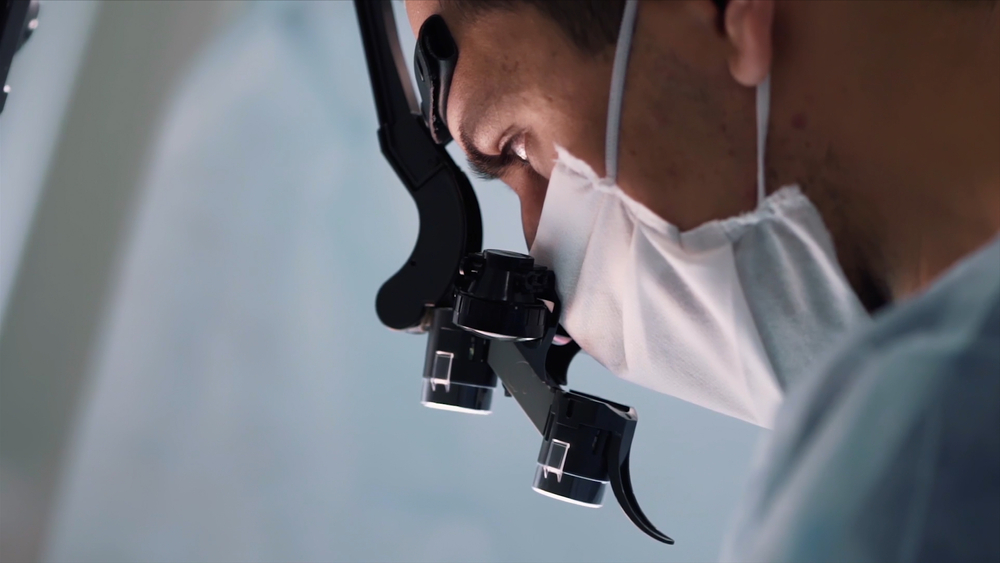
Laser cataract surgery is an advanced approach to cataract removal that uses laser technology to support precision during key steps of the procedure. The surgery itself is only part of the outcome; post-operative care plays a major role in healing and visual recovery. Here is an overview of post-operative care after laser cataract removal:
Navigating the First Few Days
The initial days following laser cataract surgery are fundamental for establishing a safe healing environment for your eye. You may notice that your vision is blurry, cloudy, or wavy immediately after the procedure; this is normal. Your eye needs time to adjust to the new intraocular lens that replaced your natural one.
Most surgeons will place a protective shield over your eye to prevent you from accidentally rubbing or bumping it. You must keep this shield in place while you sleep or nap for several days or up to a week. Rubbing the eye is dangerous because it can disrupt the incision or move the new lens before it stabilizes.
Exploring Daily Care
Administering eye drops is a fundamental component of your postoperative care routine to prevent infection and control inflammation. Your surgeon will prescribe medications that you must use exactly as directed to support the healing process. These may include:
- Antibiotic Eye Drops: These drops are prescribed to prevent bacterial infections.
- Anti-inflammatory Eye Drops: Steroid or non-steroidal drops help reduce swelling and irritation inside the eye.
- Lubricating Drops: Artificial tears can be used to relieve dryness or a scratchy sensation, but you should consult your eye doctor about safe brands.
- Proper Administration Techniques: Wash your hands thoroughly before handling any eye drops, and be careful not to touch the dropper tip to your eye or eyelashes.
Make sure you follow the specific schedule provided by your medical team, as the frequency of drops often changes over several weeks.
Returning to Activities Safely
Returning to your normal routine takes time, and you must modify certain activities to protect your eye while it heals. The following guidelines help prevent complications:
- Avoid Strenuous Activity: You should stay away from heavy lifting, vigorous exercise, or any activity that causes you to strain for at least one week.
- Keep Water Out of the Eye: Do not submerge your head in water, and avoid swimming pools, hot tubs, or saunas to reduce the risk of infection.
- Protect from Irritants: Avoid dusty or dirty environments, and refrain from wearing eye makeup for at least one week to prevent particles from entering the eye.
- Wear Sunglasses: Your eyes may be sensitive to light, so wearing sunglasses outdoors protects them from bright sunlight and wind.
Adhering to these activity restrictions helps make sure your eye heals without stress or irritation.
Watching for Problems
Most patients experience a smooth recovery after laser cataract surgery, but you should remain vigilant for signs of potential complications. While mild discomfort is normal, severe pain is not and requires immediate attention. You should contact your ophthalmologist immediately if you experience pain that does not improve with over-the-counter pain relievers. Changes in vision can also indicate a problem that needs medical intervention. A sudden loss of vision or a dark curtain-like shadow across your visual field could be a sign of retinal detachment.
Book Your Laser Cataract Surgery Appointment
Recovering from laser cataract surgery is a structured process that leads to improved vision and a better quality of life. The procedure utilizes advanced technology to treat cataracts and astigmatism with high precision. You support the natural healing capabilities of your eyes by following the guidelines for eye drops, daily care, and activity restrictions. Contact a qualified ophthalmologist near you to book your appointment today and discuss your options for laser cataract removal.
