
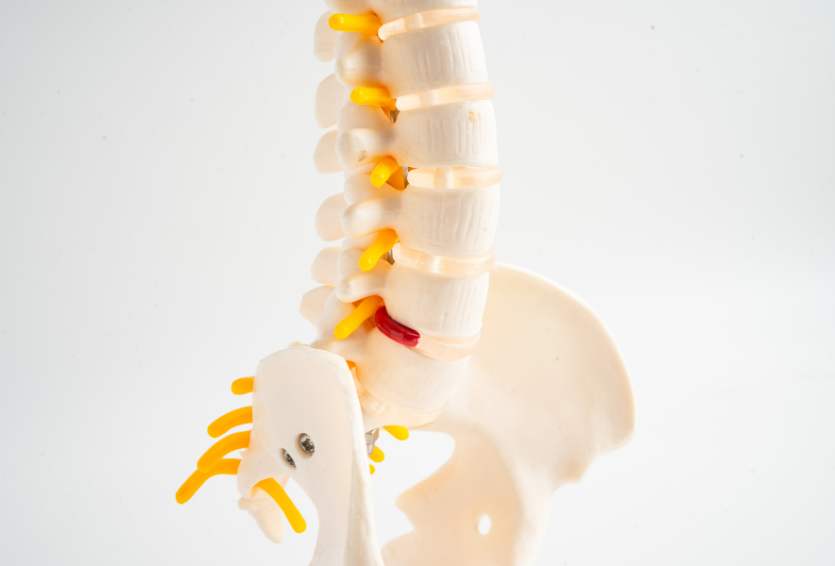
Minimally invasive spinal fusion is a surgical approach used to stabilize the spine and reduce pain associated with certain spinal conditions. The procedure limits disruption to surrounding muscles and tissues; minimally invasive techniques often use smaller incisions and specialized instruments. Here is more information on what patients need to know about minimally invasive arthrodesis:
Deciding on Spinal Fusion
Not every patient with back pain is an automatic candidate for surgery; physicians evaluate specific criteria before recommending this procedure. It is generally reserved for individuals who have exhausted non-surgical options without success. Doctors generally look for the following indicators when determining if a patient is a good candidate for this procedure:
- The patient experiences chronic low back or leg pain that has persisted despite treatment.
- There is a diagnosis of lumbar spinal stenosis, which is a narrowing of the spinal canal.
- The patient suffers from degenerative disk disease, with or without spinal instability.
- Non-surgical treatments, such as steroid injections or rigorous exercise regimens, have failed to provide relief.
- The patient is generally healthy enough to undergo a surgical procedure, but may benefit from avoiding general anesthesia.
If these criteria are met, a specialist may suggest moving forward with minimally invasive spinal fusion to address the structural issues in the back.
Understanding the Procedure
In traditional open surgery, the surgeon makes a large incision and often needs to cut or move muscle to access the spine. Minimally invasive arthrodesis uses a different technique that is less disruptive to the body. During the procedure, the doctor places a small metal device, often referred to as a spacer, between two vertebrae. This spacer strengthens and straightens the spine at sites of spinal narrowing or instability. Once the spacer is in position, it creates more room for the spinal nerves and relieves the pressure causing pain. The surgeon also uses a small amount of donor bone to promote bone growth in that area. The new bone growth fuses the vertebrae together, promoting long-term stability of the treated segment.
Recovering After Surgery
Recovery from minimally invasive spinal fusion is often faster than recovery from traditional open spine surgery. The body generally heals more quickly because the procedure involves smaller incisions and less trauma to the muscles. Patients typically go home the same day as surgery, which is beneficial for individuals who want to recover in their own environment.
Postoperative pain is usually more manageable compared to extensive back surgery. Since there is reduced cutting of the muscle, the risk of muscle damage decreases significantly. Consequently, patients often have a diminished reliance on pain medications after the surgery is complete. This allows for a smoother transition back to daily activities.
Exploring Benefits
Every medical procedure carries a balance of potential benefits and risks that patients must contemplate. Here are the primary benefits and risks associated with this procedure:
- The procedure requires smaller skin incisions, often just several millimeters long, which leads to better cosmetic results.
- There is typically less blood loss during surgery compared to open procedures.
- The risk of infection is reduced because the incisions are smaller and hospitalization is eliminated.
- As with all surgeries, there are general risks such as reaction to anesthesia or potential nerve injury.
Patients should make sure they discuss the risks thoroughly with their specialist to understand the full scope of the treatment.
Schedule Your Minimally Invasive Spinal Fusion Appointment
Minimally invasive arthrodesis presents an option for individuals suffering from chronic back and leg pain who have not found relief through conservative means. This procedure enables faster recovery and improved well-being by stabilizing the spine with minimal trauma. Contact a qualified pain management specialist near you to schedule your appointment today and determine if this treatment is right for you.
