
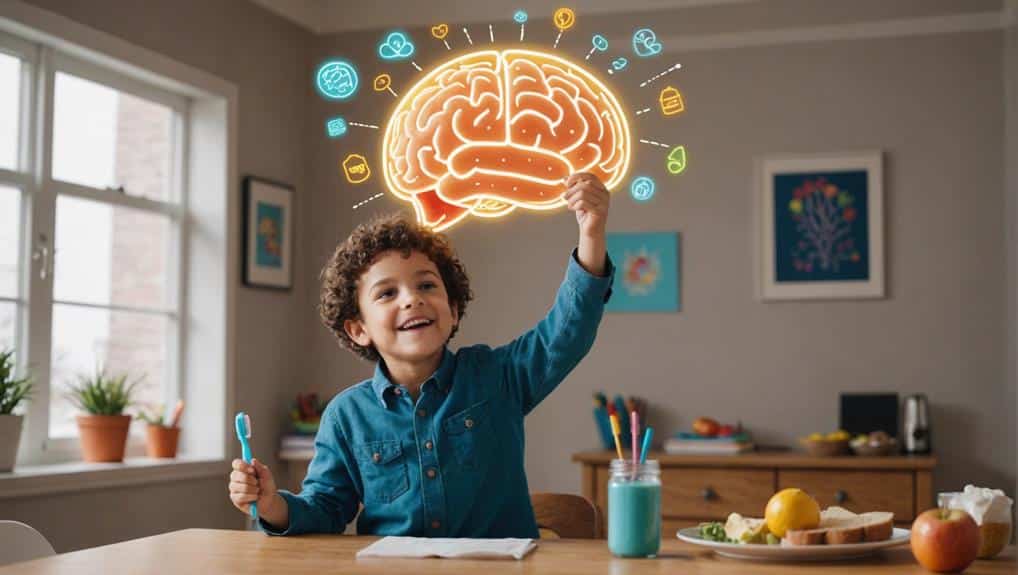
Mental health encompasses our emotional and social well-being, and it affects how we think or act. Just as adults face psychological struggles, children experience mental health issues, but they may lack the vocabulary to express them. Open discussions involve creating an environment where young people can share their thoughts and feelings openly. Here is more information about child mental health and how to reduce the stigma:
Common Childhood Conditions
Although some adults may view childhood as carefree, child mental health is a serious medical concern. Children are just as vulnerable to psychological disorders as adults are, and they experience similar pain. Childhood mental health conditions range from anxiety and depression to neurodevelopmental issues like ADHD.
If you leave childhood mental health issues untreated, it may lead to long-lasting mental health problems later in adulthood. Recognizing the signs early on can help children recover from mental illness, and an appropriate course of treatment is also necessary. Early intervention reduces the severity of future effects.
Helpful Support Strategies
Talking to your child is one preliminary step in getting them the help they need. Tell them you have noticed changes in their routine, or you can gently point out shifts in their behavior. Enlightening them helps because their insight might be impaired when they are symptomatic. Patience is necessary during this process.
Because mental health issues are treatable, children can recover from psychological problems with the right help. Professionals might recommend psychotherapy, or they could suggest medications. Depending on the cause and type of illness, a tailored combination of multiple treatments is another option.
Mental Health Stigma
Stigma prevents some individuals from acknowledging mental health effects. Cultural history contributes to this because society previously excluded or discriminated against people with these issues. Mental health providers now understand the condition better, and effective treatment options exist.
We can push back against stigma by choosing our words carefully, and using the phrase ‘mental health’ instead of ‘mental illness’ helps reduce negative associations. Although this seems small, this distinction in conversations may help children understand they have a medical condition rather than being the condition itself.
Common Warning Signs
While teens may naturally have less energy than younger children, it is difficult to tell if these and other challenging behaviors are temporary. Disruption or significant changes to a teenager’s sleep schedule, along with other symptoms, could indicate the need for a mental health evaluation. You know your child best, so you can be guided by your instincts. Look for these indicators:
- Frequent tantrums
- Intense irritability
- Recurring nightmares
- Declining grades
- Compulsive behaviors
Learn About Child Mental Health
Treatment for mental health issues can improve energy and the ability to participate in daily life. Symptoms come and go, and they are temporary with a treatment plan that works. Parents, caregivers, and other adults in a child’s life can foster open discussions about childhood mental health to help the child know that help is available. If you want to learn more about children’s mental health, consult a children’s mental health provider near you.
