
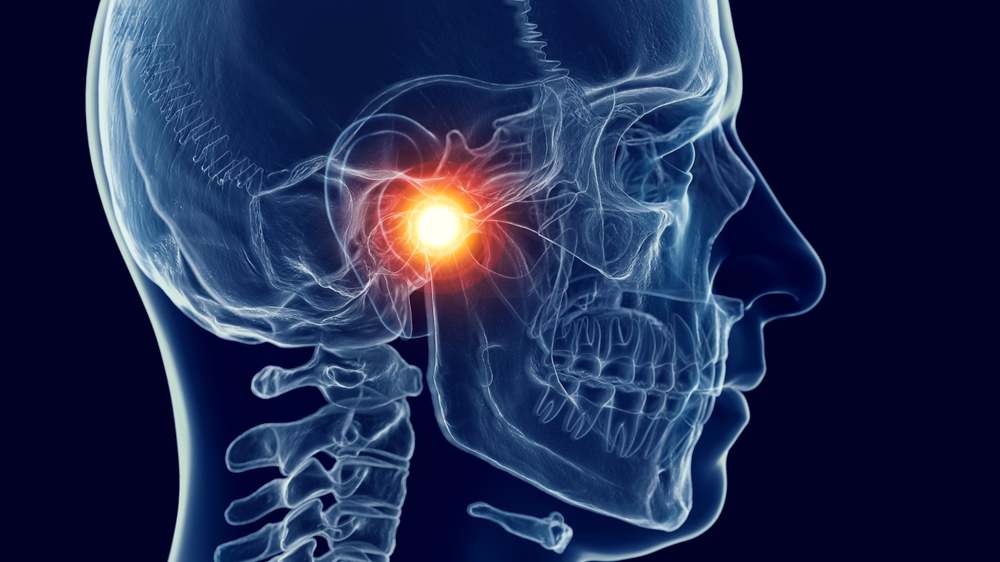
The temporomandibular joint, or TMJ, connects your jawbone to your skull, and it acts like a sliding hinge. Disorders affecting this area affect up to 12 million people in the United States. Women are twice as likely to experience these disorders. TMJ conditions can disrupt daily activities like eating or speaking, and they can cause secondary pain conditions like earaches. Here is more information about jaw joint disorders and how they relate to chronic pain conditions:
What Is the TMJ?
TMJ stands for temporomandibular joint, and this joint is located on either side of the jaw. It resides where the skull meets the lower jawbone or mandible. You have two of these joints near your ears; they help you move your jaw when chewing and talking. The joint can become irritated, and this irritation results in painful symptoms. When the joint functions correctly, the jaw moves smoothly up and down.
What Is TMJ Disorder
Disorders of the TMJ affect the joints in your jaw, and they also influence the surrounding muscles. Although the medical term is temporomandibular joint dysfunction, or TMD, you may hear it called TMJ. Signs include jaw stiffness, locking, or clicking sounds. Since the causes overlap, you might experience pain from teeth grinding, arthritis, or a misaligned bite.
Risk factors include poor posture, nail biting, or chewing on pens. Stress causes jaw tension, and this tension can cause or worsen the condition. Although many cases resolve on their own, some patients need ongoing care because the pain persists. You can see a dental professional if your symptoms persist or worsen over time.
What Is Chronic Pain?
Chronic pain conditions persist for weeks or months, and they can significantly disrupt your daily life. TMD can lead to long-term pain, chewing problems, or damage from grinding your teeth. Because TMD affects the nerves, it is associated with chronic facial pain.
What Is the Connection?
Inflammation causes uneven stress on the joint, and this stress results in painful TMD symptoms. People with this disorder may experience chronic pain or discomfort, such as jaw pain or headaches, because the inflammation is persistent, and the discomfort may spread. The pain feels like a toothache or earache. It sometimes spreads down the arm to the shoulder. When the condition is severe, it limits jaw movement.
Common TMD symptoms include:
- Facial pain that increases when you use your jaw
- Muscle tension around the jaw
- Ringing ears or dizziness
- Headaches or migraines
- Swelling in your face
Some patients find relief through various treatments. Doctors prescribe muscle relaxers for clenching, or they suggest physical therapy. Although injections reduce inflammation in the joint, it may take up to a week to see the effects. Since symptoms vary, a specialist will tailor the plan to your needs, and they may recommend multiple treatments.
Learn More About TMJ
TMJ disorders affect the movement of the jaw, but treatments are available to restore function. Whether you suffer from jaw locking or clicking, a healthcare provider can help determine the cause of your discomfort. Therapies range from mouth guards to minimally invasive procedures. If you want to learn more about treatment for TMJ disorder, consult a dental professional near you.
