
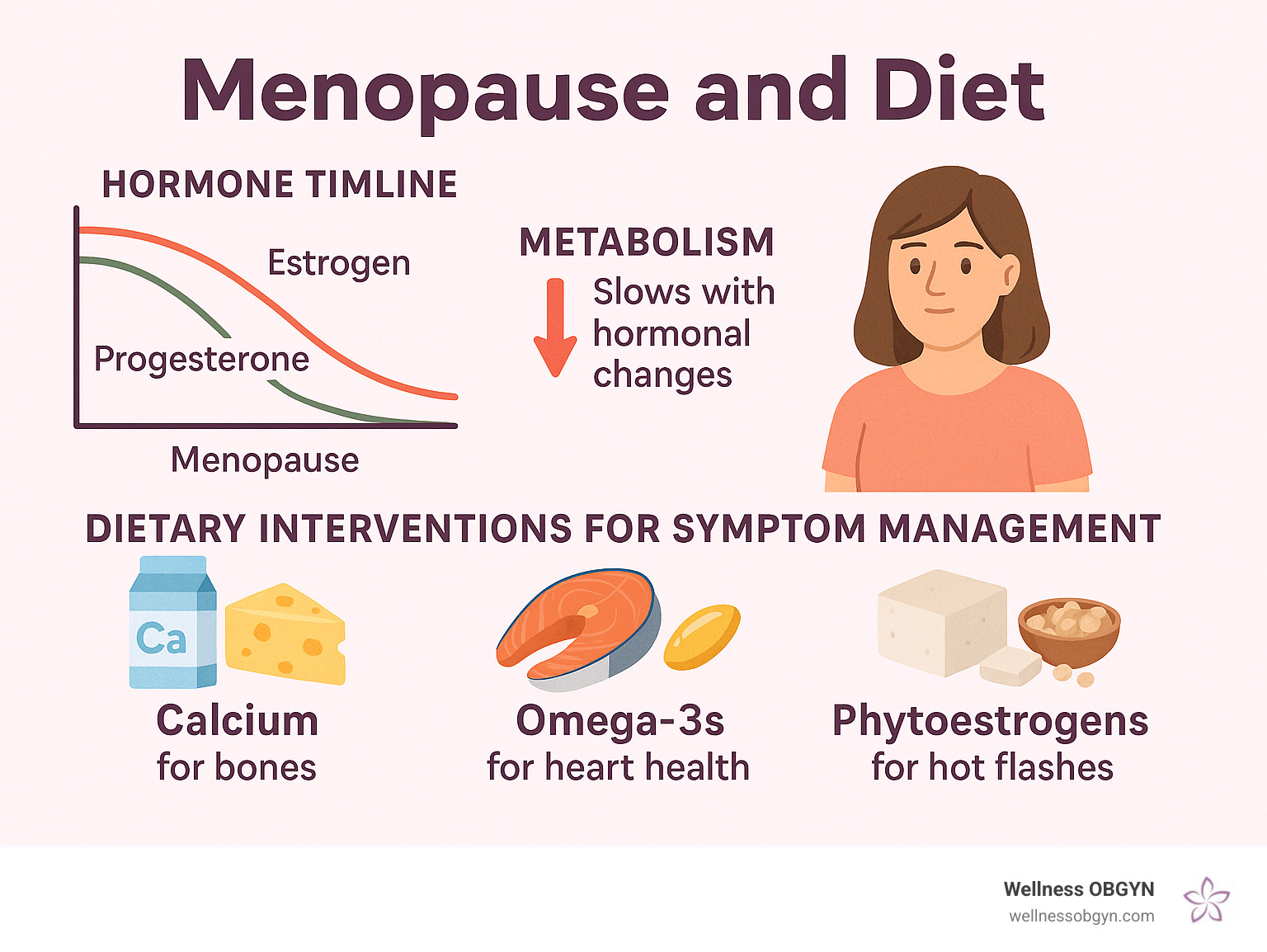
Menopause is a natural biological process marking the conclusion of a woman’s reproductive years, typically confirmed once twelve consecutive months have passed without a menstrual period. This transition involves physiological and emotional shifts while the body adapts to decreasing hormone levels. Understanding these changes can help you manage this part of being a woman.
Understanding Hormonal Changes
Perimenopause, the transition to menopause, starts with changing hormone levels as the ovaries gradually produce less estrogen and progesterone. These two hormones regulate menstruation. The hormonal shifts that occur during this time are the primary cause of menopausal symptoms.
As your body responds to these new hormone levels, you may notice various changes. It is helpful to remember that these symptoms are a normal part of the menopausal transition. There are many approaches and treatments available to help manage them.
Recognizing Physical Symptoms
A variety of physical symptoms can occur as a result of the hormonal changes during menopause. Many women report experiencing hot flashes, sudden feelings of heat that spread throughout the body. Other common physical changes can include:
- Night sweats and sleep disturbances
- Vaginal dryness and discomfort during intercourse
Other symptoms may include weight gain, thinning hair, and dry skin. The intensity and duration of these symptoms vary.
Navigating Emotional Changes
Emotional shifts are also common during this time. Some women experience mood swings, irritability, or feelings of sadness. These changes can be linked to hormone changes, but they can also be influenced by sleep disruption and other physical symptoms. Accepting that these emotional feelings are a normal part of the process can be the first step in addressing them.
Managing Daily Challenges
Implementing practical ways to manage daily challenges can make things a little simpler. Simple lifestyle adjustments can affect your mental health. Dressing in layers lets you adjust quickly to sudden hot flashes, while maintaining a consistent sleep schedule may help reduce fatigue. Other beneficial practices include:
- Taking part in regular physical activity
- Practicing relaxation techniques like deep breathing or meditation
These approaches can help manage both the physical and emotional aspects of menopause.
Exploring Treatment Options
When symptoms start interfering with your daily life, there are several medical treatment options that can offer significant relief. Hormone therapy (HT) is a common method for addressing many menopausal symptoms, but its suitability depends on your specific health profile. Your healthcare provider can help you determine if this treatment is appropriate for you.
Non-hormonal medications are also available to address particular concerns, such as hot flashes and mood swings. Discussing the potential benefits and risks of these treatments with your healthcare provider can help you decide what’s best for your care. Making an informed decision is a key step in managing your menopausal health effectively.
Take Control of Menopause Today
Menopause is a life transition that every woman experiences differently. By becoming informed about the hormonal, physical, and emotional changes, you can better manage these effects. Managing daily challenges and exploring available treatment options can help find a way forward with menopause. To learn more about managing your health during menopause, schedule a consultation with a healthcare professional.
