
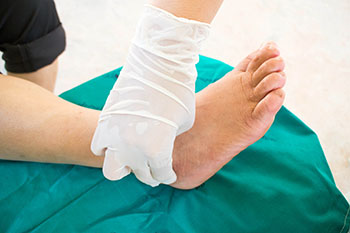
Diabetes impacts daily life, and it fundamentally alters how the human body manages physical trauma and natural healing processes. Chronic high glucose levels can stiffen blood vessels, and circulation in the lower extremities diminishes significantly. Because blood flows slowly, oxygen-rich blood struggles to reach the wound site efficiently. Here is information on wound care for diabetic patients:
Slow-healing Wounds
While healthy bodies repair cuts quickly, diabetic patients may experience a much slower recovery process. This delay keeps wounds open for dangerously long periods, which increases the risk of complications. Bacteria enter the broken skin easily, and infection spreads deep into the soft tissue. Unchecked infections could result in gangrene, amputation, or other severe medical complications for the patient.
Nerve damage typically accompanies diabetes, so you might not feel a foot injury occur. Since pain signals do not register, many patients continue walking on the wound unknowingly. Pressure may prevent the ulcer from closing properly, or it might cause the injury to expand. The wound grows larger without immediate detection, and medical intervention becomes necessary to save the foot.
Underlying Health Conditions
Specific factors make wound care uniquely complex for individuals with diabetes. Peripheral artery disease blocks blood flow, but neuropathy masks the resulting pain signals effectively. Because the immune system is compromised, the body cannot fight off bacteria or viruses. Here are some underlying health conditions that can lead to these types of wounds:
- Diabetic neuropathy
- Peripheral artery disease
- Weakened immune system
- Poor circulation
Advanced Techniques
If standard home care fails, physicians utilize advanced medical therapies for better healing results. Compression therapy encourages blood movement back toward the heart to reduce swelling in the legs. Antibiotics treat underlying infections, and topical ointments protect the skin from external debris. Since fluid buildup hinders recovery, specialists monitor the area closely during the entire treatment process.
Dead tissue hinders recovery, so doctors perform debridement to remove it from the wound completely. While it is complex, the removal of necrotic tissue promotes healthy cell growth immediately. Specialized dressings aim to maintain the correct moisture balance for the exposed area to encourage closure. These coverings protect the sensitive tissue while the body attempts to repair the damage.
Off-loading orthotics reduce weight on the foot to prevent further damage to the ulcer. Skin grafts cover extensive wounds, and they are used to accelerate the final closure process for large injuries. When wounds reach the bone, surgical intervention stabilizes the foot structure effectively and permanently.
Regular Inspections
Since sensation is unreliable, visual checks remain the ideal defense against developing ulcers. You must inspect the soles of your feet every day for cuts or redness. Mirrors assist with hard-to-see spots, or a family member assists with the visual exam. Detecting a small scrape early prevents it from becoming a dangerous, infected wound.
Find Wound Care Near You
Professional evaluation identifies issues before they become permanent medical emergencies or life-altering conditions. Do not ignore a wound, for delays lead to amputation in the most severe cases. Because health is fragile, you must seek expert guidance for any foot injury immediately. Contact a surgery clinic to schedule a wound evaluation today.
