
Sports injuries are physical traumas that occur during exercise, training, or competitive events. These injuries range from minor sprains to severe fractures that require extensive medical intervention. They significantly disrupt an athlete’s daily routine and performance, and the impact extends beyond the immediate physical pain at the moment of injury. Athletes often face challenges in both their professional and personal lives due to setbacks. Understanding the full scope of a sports injury is significant for effective management. Proper care, including timely medical intervention and rehabilitation, helps confirm a safer, faster return to activity.
Physical Impact of Sports Injury
The physical consequences of a sports injury are often immediate and restrictive, disrupting the normal function of the musculoskeletal system. Injuries may involve bones, muscles, tendons, ligaments, and other connective tissues. The body’s typical response is inflammation. While this inflammatory response is necessary for healing, it also brings pain, redness, and swelling that limit an athlete’s range of motion. Acute injuries, such as sprains, dislocations, or fractures, tend to cause sudden, sharp pain and require immediate attention. Chronic sports injuries develop gradually over time due to repetitive stress on joints or muscles, and this leads to conditions like tendonitis or stress fractures.
Prolonged inactivity due to these injuries can weaken muscles, making the return to physical activity more challenging. An athlete may notice difficulty performing daily tasks and develop altered movement patterns to compensate, which can sometimes result in secondary issues elsewhere in the body. Swelling further restricts movement, and pain underscores the need for immediate rest. Ignoring these signs can lead to more severe damage.
Recovery Factors
Healing is a biological process that varies from person to person; no two athletes recover at the exact same pace. Several internal and external factors influence how quickly the body repairs itself. By understanding these variables, athletes can set realistic expectations for their recovery.
Key Influences on Healing:
- Age: Younger athletes generally experience faster cellular repair. As the body ages, the healing process naturally slows down.
- Nutrition: The body requires energy to rebuild tissue. Adequate protein intake supports muscle repair. Vitamins and minerals, such as calcium and Vitamin D, are significant for bone health.
- Rest and Sleep: Sleep is critical for hormonal balance and tissue regeneration. A lack of sleep can prolong the inflammatory phase.
- Injury Severity: A simple strain heals faster than a complete tear. Surgical interventions also require longer rehabilitation timelines.
Adherence to a recovery plan is key. Skipping rehabilitation exercises can delay progress. Rest is advisable for the initial phase, but movement is necessary for long-term rehabilitation. Hydration also plays a key role in maintaining tissue elasticity. Athletes must listen to their bodies throughout this process because pushing too hard too soon can cause setbacks.
Professional Management of Injuries
Self-diagnosis carries significant risks for athletes, and working with medical professionals provides a much safer and clearer pathway to recovery. Doctors and specialists use thorough assessments, including physical examinations and imaging tests such as X-rays or MRIs, to determine the full extent of an injury. This careful approach confirms that any treatment provided addresses the underlying issue.
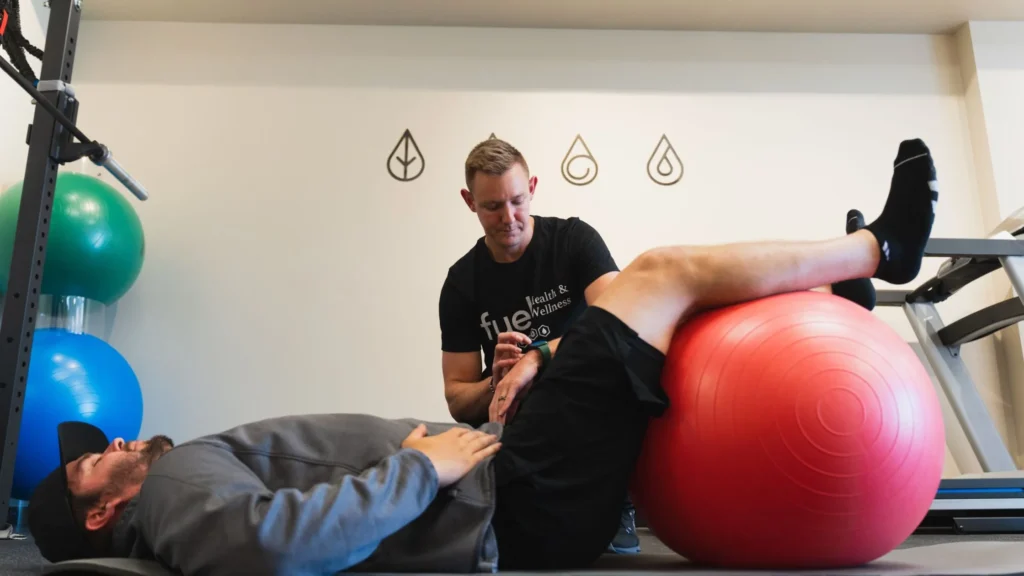
Medical professionals play a significant role in helping athletes manage every stage of recovery. For pain management, doctors may recommend various strategies that help limit discomfort, allowing athletes to rest and sleep more effectively. Physical therapists design tailored exercise programs to rebuild strength, flexibility, and balance following injury, and they support the gradual return to previous activity levels. In cases of severe damage, such as complex fractures or serious ligament tears, surgical intervention by an orthopedic surgeon may be necessary. Healthcare professionals also provide education on injury prevention, equipping athletes with the knowledge to reduce the risk of future setbacks.
Ask a Doctor Today
You do not have to navigate a sports injury alone, and persistent pain is a sign that your body needs professional attention. Often leading to better long-term outcomes, early intervention by a medical professional can provide the clarity and guidance you need. They will create a personalized plan to help you reach your goals. Schedule a consultation if you are experiencing pain or limited mobility. Your health and athletic future deserve expert care.
