
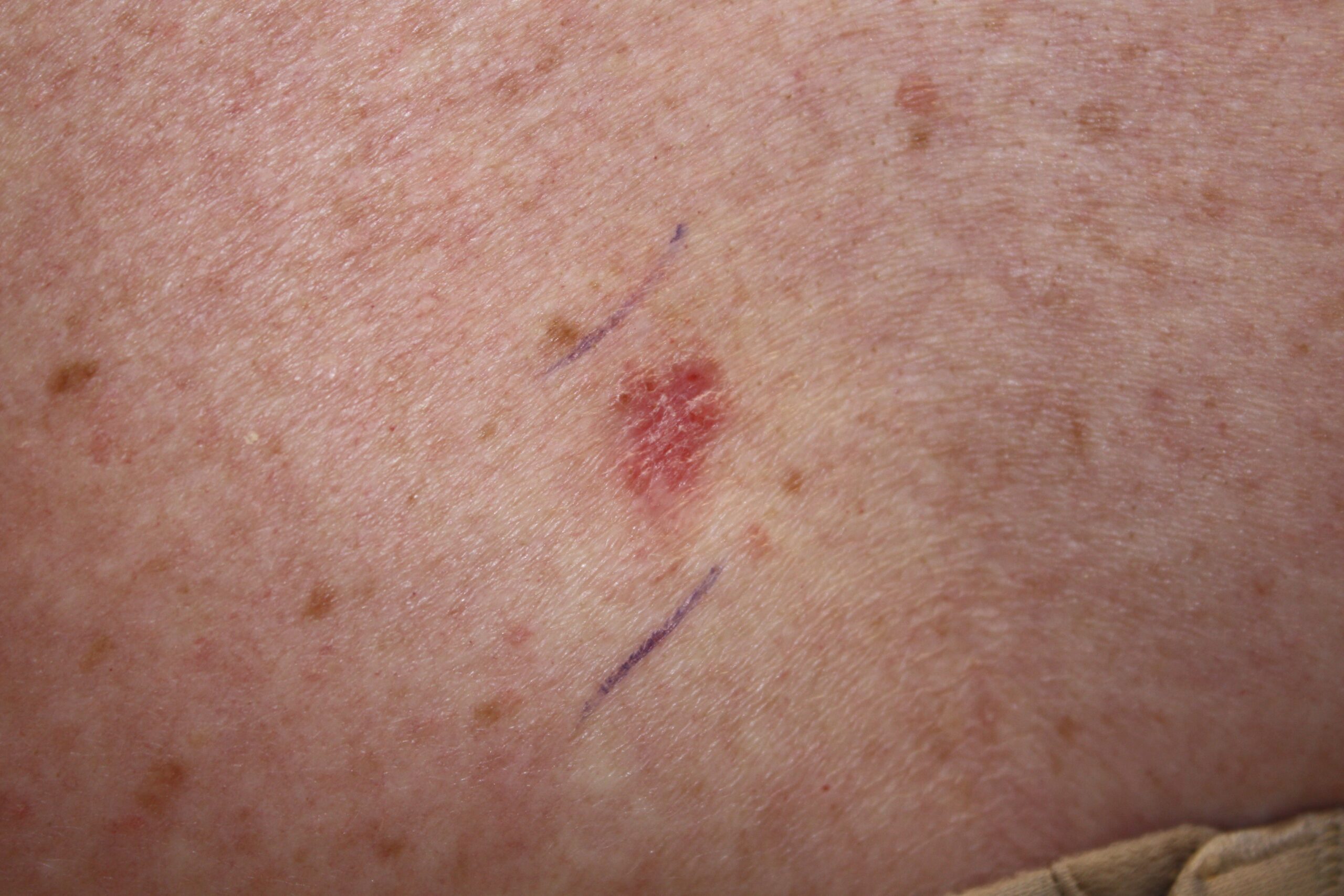
Skin cancer involves the abnormal growth of skin cells, and this condition most often develops on skin exposed to the sun. It can also occur on areas of your skin not ordinarily exposed to sunlight. There are three major types of skin cancer, each with distinct characteristics that require specific attention. Understanding these differences helps you recognize potential issues early.
Basal Cell Carcinoma
Basal cell carcinoma is the most frequently occurring form of skin cancer. It begins in the basal cells. These cells line the bottom of the epidermis, which is the outermost layer of your skin. This type often appears on areas exposed to the sun, such as your neck or face. You might notice a waxy or pearly bump on your skin, but it can also appear as a flat, flesh-colored lesion. Sometimes it looks like a bleeding or scabbing sore that heals and returns. This cancer typically grows slowly. It rarely spreads to other parts of the body. It can move into nearby tissue if you do not address it.
Squamous Cell Carcinoma
Squamous cell carcinoma develops in the squamous cells, which make up the middle and outer layers of your skin. These flat cells make up the middle and outer layers of your skin. It is the second most common form of skin cancer. This type is also common on sun-exposed areas like your hands and ears. This condition may manifest as a firm, red nodule. It might also look like a flat lesion with a scaly or crusted surface. Squamous cell carcinoma can be more aggressive than basal cell carcinoma, and it has the potential to grow deep into the skin. It can spread to other parts of your body if left untreated. Early intervention is recommended for a positive outcome.
Melanoma Skin Cancer
Melanoma is a less common but more serious type of skin cancer. It develops in melanocytes, the cells that produce melanin. Melanin gives your skin its color. Exposure to ultraviolet radiation from sunlight increases your risk for melanoma, and it can develop anywhere on your body. It may form in normal skin or an existing mole that becomes cancerous. In men, it often appears on the face or trunk. In women, it frequently develops on the lower legs. You should look for a large brownish spot with darker speckles. A mole that changes in color, size, or feel is a warning sign. You might also see a small lesion with an irregular border; portions may appear red, pink, white, blue, or blue-black. This type of cancer can spread to other organs.
Active Prevention and Awareness
Protecting your skin is a recommended part of your overall health routine, since it helps prevent damage from harmful ultraviolet radiation. Reduce your risk by limiting exposure to UV radiation. Avoid the sun during the middle of the day when rays are strongest, and wear protective clothing that covers your arms and legs. Broad-spectrum sunscreen is a helpful tool for protection. Regular self-examinations are also advisable. Check your skin often for new growths or changes in existing moles. Use a mirror to check hard-to-see areas. Look for the “ABCDE” signs of melanoma:
- Asymmetry
- Border irregularity
- Color changes
- Diameter larger than a pencil eraser
- Evolving size or shape
Awareness enables you to take control of your health. Simple habits may make a significant difference in your long-term well-being.
Ask a Doctor Today
If you notice anything suspicious on your skin, consult a doctor promptly. Do not wait for the spot to hurt or bleed. A healthcare professional can provide a thorough examination, and they can offer guidance on the next steps if they find something concerning. Early detection provides the widest range of management options. Ask questions about your skin health, and a doctor can provide the answers you need.
