
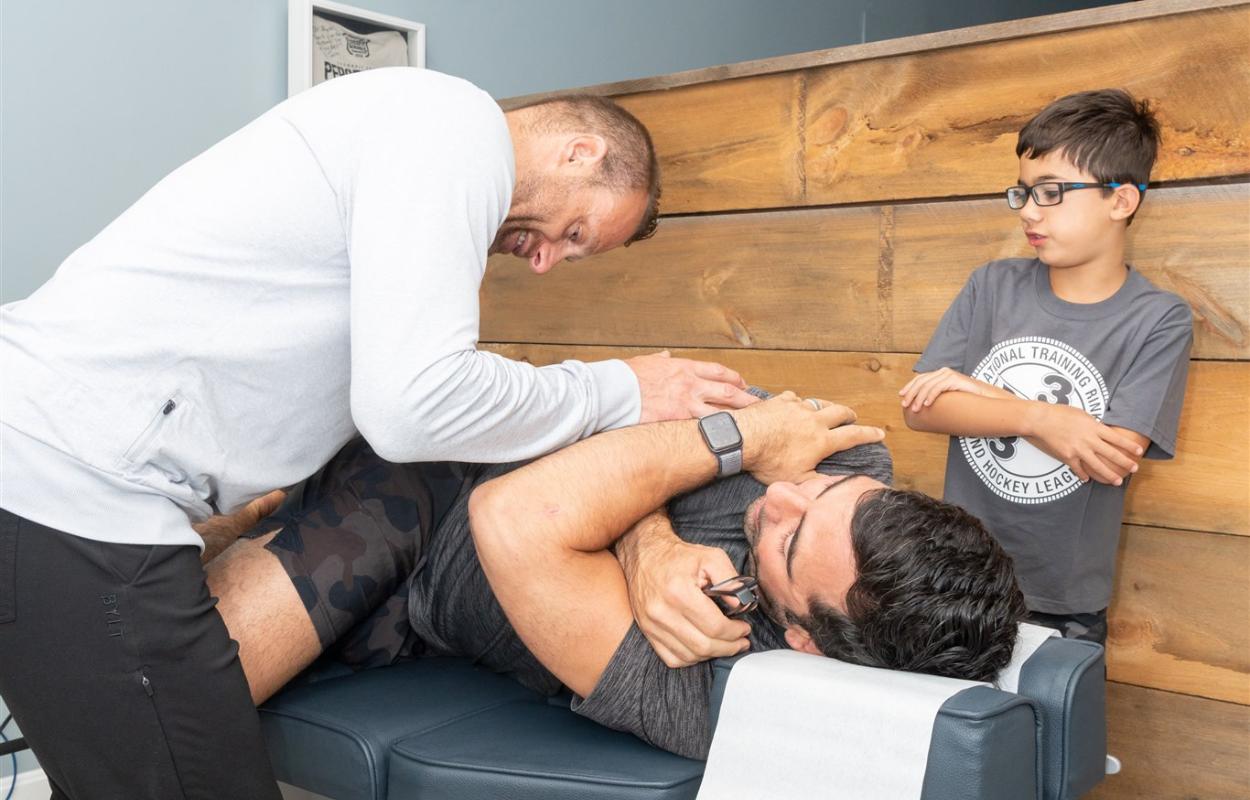
Sciatica originates in the lower back. The sciatic nerve runs down your legs, and irritation causes significant discomfort. Treatment plans vary by patient needs, but effective remedies exist. Because sciatica affects mobility, finding a solution is used to help regain function.
Physical Therapy
Physical therapy strengthens core muscles. A therapist guides your movements, and your flexibility improves over time. Because weak muscles strain the spine, exercises build support. Pressure on the nerve can then decrease. This approach usually begins sciatica treatment. You attend sessions regularly, but you must also perform exercises at home. Although results take time, consistency builds strength and makes your back more stable. Your therapist creates a specific plan. Stretching reduces hamstring tension, and posture correction aligns the spine. If you sit properly, the nerve has space to move. This can reduce the risk of irritation. You learn proper body mechanics.
This knowledge protects your back during daily tasks, so you can avoid future injury. Since movement partners this medicine, staying active helps recovery, and stiffness may eventually subside. Therapists often include gentle back stretches, knee-to-chest moves, and core-strengthening routines. These exercises improve stability. They sometimes reduce the frequency of pain episodes. Strengthening your abdomen and lower back supports your spine, and guided stretches gently increase flexibility. A practical program may also include advice on pacing daily activities and suggest rest when needed. Over time, you might notice better balance and easier movement.
Spinal Injections
Doctors sometimes recommend spinal injections. Corticosteroids reduce local inflammation, and numbing agents provide temporary relief. If oral medication fails, injections target the nerve. Inflammation may subside while you heal. The procedure is generally quick. A specialist uses imaging guidance for precise needle placement. Because the medication goes directly to the source, you function better. Some people tolerate spinal injections well. The doctor will thoroughly clean the skin, and local anesthesia will be used to minimize discomfort. Some patients experience mild pressure or pain during the injection, but the procedure is usually successful.
Afterward, you could experience temporary soreness at the injection site, and sometimes mild headaches or dizziness. Complications are rare, but discuss any concerns with your care team.
Surgical Interventions
Some cases require surgical intervention. A limited discectomy removes disk fragments, or a lumbar laminectomy creates more space. When a disk compresses a nerve, the surgeon removes it, relieving pressure. These procedures address structural problems. The goal is nerve decompression, and leg pain typically improves immediately. Because nerves need room, removing bone spurs helps clear the pathway. Recovery depends on the procedure. Many people can walk within a day, but full healing takes several weeks to months. Your doctor gives guidelines for returning to work, and physical therapy supports your rehabilitation. You might use pain management strategies during recovery, and your care team regularly tracks your healing progress. Surgeons sometimes perform fusion reconstruction.
Schedule Sciatica Evaluations Today
Consult a specialist for advice. Early treatment may help symptoms, so seek help soon. A doctor must evaluate you and create a plan, as every case is different. Diagnostic tools reveal the cause, and the medical team guides your recovery. When you take action, you start healing and improve your quality of life.
